Support our educational content for free when you buy through links on our site. Learn more
How Much Does a Decent Grand Piano Cost? 🎹 (2024 Guide)

Thinking about bringing home a grand piano but wondering how much it will set you back? You’re not alone! The price of a “decent” grand piano can range from surprisingly affordable to jaw-droppingly expensive, and the reasons why might just surprise you. Did you know that a well-maintained used baby grand can offer better sound and feel than a brand-new entry-level model? Or that some premium grands take years just to season the wood before assembly? 🎼
In this comprehensive guide, we’ll unravel the mystery behind grand piano pricing—from budget-friendly used baby grands to certified pre-owned Steinways and luxury concert grands. Along the way, we’ll share insider tips from our Piano Brands™ experts, real stories from piano owners, and practical advice on choosing the perfect grand piano for your space and wallet. Stick around to discover why size isn’t everything, and how some lesser-known brands might just steal your heart (and your budget).
Key Takeaways
- Grand piano prices vary widely based on brand, size, materials, and craftsmanship—from affordable used baby grands to premium concert models.
- Used and certified pre-owned pianos often offer the best value, sometimes outperforming brand-new entry-level models.
- Baby grands fit into more homes than you think, making them a practical choice without sacrificing sound quality.
- Maintenance and climate control are essential costs to factor in beyond the purchase price.
- Financing and trade-in options can make owning a grand piano more accessible than you might expect.
Ready to explore the world of grand pianos and find your perfect match? Let’s dive in!
Table of Contents
- ⚡️ Quick Tips and Facts About Grand Piano Prices
- 🎹 The Price Melody: Understanding Grand Piano Cost Factors
- 🎼 A Brief History of Grand Pianos and Their Pricing Evolution
- 1️⃣ Used Baby Grands: What Do You Really Get for Your Money?
- 2️⃣ Affordable Baby Grands: How Much Does a Lower-End Model Cost?
- 3️⃣ Certified Pre-Owned and New Baby Grands: The $10,001–$20,000 Sweet Spot
- 4️⃣ Mid-Priced Baby Grands: Quality Brands and Some Used Steinway Gems ($20,001–$40,000)
- 5️⃣ Upper-Range Baby Grands: Steinway Certified Pre-Owned and Premium New Models ($40,001–$87,000)
- 📏 Baby Grands and Space: Why They Might Fit Your Room Better Than You Think
- 🎹 Brand Spotlight: Newton Pianos — A Hidden Gem?
- 🎹 Brand Spotlight: Waltham Pianos — Tradition Meets Affordability
- 🎶 How to Choose the Right Grand Piano for Your Budget and Lifestyle
- 🔧 Maintenance Costs: What to Expect Beyond the Purchase Price
- 🎁 Financing and Buying Tips: Getting the Best Deal on Your Grand Piano
- 🎤 Real Stories: Our Team’s Experiences Buying Grand Pianos
- 📈 Market Trends: How Grand Piano Prices Are Changing in 2024
- 🎯 Final Thoughts: Is a Decent Grand Piano Worth the Investment?
- 🔗 Recommended Links for Grand Piano Buyers
- ❓ Frequently Asked Questions About Grand Piano Costs
- 📚 Reference Links and Resources
⚡️ Quick Tips and Facts About Grand Piano Prices
Before we dive into the deep end of the grand piano pool, you might want to check out our foundational guide on how much is a decent piano to get your bearings. Buying a grand piano is a bit like buying a fine wine or a luxury car—the price is often a reflection of the craftsmanship you can’t see.
| Feature | Entry-Level Grand | Mid-Range Grand | High-End/Luxury |
|---|---|---|---|
| Typical Length | 4’7″ to 5’3″ | 5’5″ to 6’4″ | 6’7″ to 9’+ |
| Action Material | Composite/Plastic parts | High-grade wood/Carbon fiber | Hand-selected premium wood |
| Soundboard | Laminated or Solid Spruce | Solid Sitka Spruce | Premium Aged Spruce |
| Resale Value | Moderate | High | Exceptional |
| Best For | Casual hobbyists | Serious students/Teachers | Professionals/Concert Halls |
Quick Facts:
- ✅ Depreciation: A new piano loses about 15-20% of its value the moment it hits your living room, but high-end brands like Steinway & Sons hold value much better.
- ❌ Size Myth: A “Baby Grand” isn’t just a toy; it’s a specific size category (usually under 5’7″).
- ✅ Maintenance: Budget for at least two tunings per year.
- 💡 Pro Tip: According to Piano Gallery, used pianos often sell for 45-48% of their original price, making the second-hand market a goldmine for value.
🎹 The Price Melody: Understanding Grand Piano Cost Factors
Why does one piano cost as much as a Honda Civic while another costs as much as a mansion in the Hamptons? It’s not just the name on the fallboard (though that helps). We’ve spent years dissecting these instruments in our Piano Comparison guides, and it boils down to three things: Materials, Labor, and Physics.
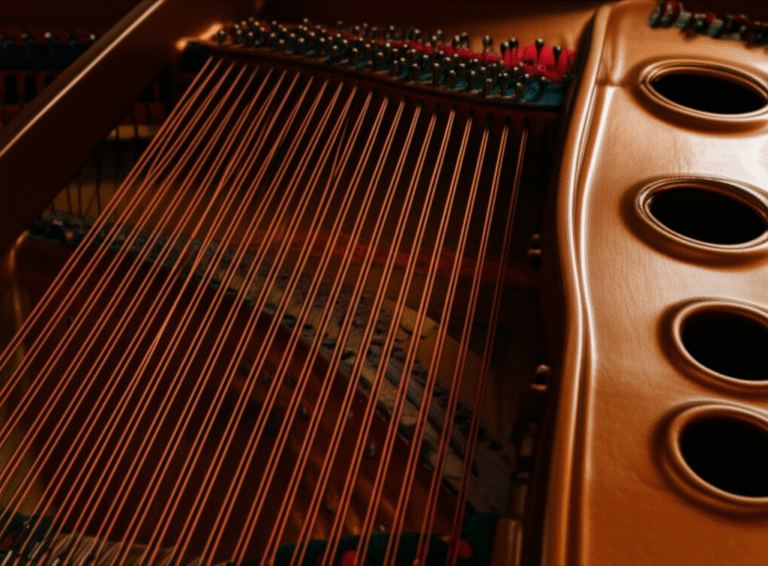
- The Soundboard: This is the “soul” of the piano. Premium grands use solid Sitka spruce from high altitudes. The tighter the grain, the better the resonance—and the higher the price.
- The Action: This is the mechanical “engine.” A digital piano mimics this, but a real grand uses thousands of moving parts. Brands like Kawai use Millennium III Carbon Fiber actions for stability, while Steinway sticks to traditional, hand-regulated wood.
- The Rim: High-end pianos have rims made of hard rock maple or beech, bent into shape over months. Cheaper models use softer woods or even particle board.
As the experts at Roger’s Piano point out, “The larger the piano, the more materials and labor are typically required.” But is a 9-foot concert grand really ten times better than a 5-foot baby grand? We’ll explore that tension later.
🎼 A Brief History of Grand Pianos and Their Pricing Evolution
If you want to understand why we pay what we do today, you have to look at Piano History. In the 1700s, Bartolomeo Cristofori invented the “gravicembalo col piano e forte.” Back then, only royalty could afford one.
By the late 19th century, the “Golden Age” of piano making saw hundreds of manufacturers in the US and Europe. This competition led to the standardized “Grand” shape we love today. However, the mid-20th century brought mass production from Japan (hello, Yamaha and Kawai), which made “decent” grand pianos accessible to the middle class for the first time.
Today, we see a split: the ultra-luxury European market (like Bösendorfer) and the high-quality, tech-forward Asian market. Curious about how these brands stack up? Dive into our Piano Brand Guides for the full scoop.
1️⃣ Used Baby Grands: What Do You Really Get for Your Money?
Buying a used baby grand is like dating: it’s full of potential but requires a lot of background checks. We’ve seen “deals” that turned into $5,000 firewood.
Rating Table: Used Baby Grand Experience
| Aspect | Rating (1-10) | Why? |
|---|---|---|
| Value for Money | 9/10 | You can find incredible “vintage” gems. |
| Risk Factor | 8/10 | Cracked soundboards are hidden killers. |
| Sound Quality | 6/10 | Older pianos often lose their “brightness.” |
| Aesthetics | 7/10 | Classic looks, but may need refinishing. |
What to look for:
- The Pinblock: If the tuning pins are loose, the piano won’t stay in tune. That’s a dealbreaker.
- The Hammers: Are they deeply grooved? If so, you’re looking at a costly “re-felting” job.
- Brand Pedigree: A used Baldwin or Yamaha is usually a safer bet than a defunct “stencil” brand from the 1920s.
👉 Shop Used Pianos on:
- Yamaha Used Inventory: Yamaha Official
- Steinway Used/Certified: Steinway Official
2️⃣ Affordable Baby Grands: How Much Does a Lower-End Model Cost?
“Lower-end” doesn’t mean “bad.” In the modern market, entry-level grand pianos are remarkably consistent. These are typically manufactured in China or Indonesia using automated processes.
The Heavy Hitters:
- Yamaha GB1K: Often cited as the gold standard for entry-level grands. It’s compact and reliable.
- Kawai GL-10: Features the Millennium III action, which we find incredibly responsive for the price.
Pros:
- ✅ Brand new warranty.
- ✅ Modern, bright sound.
- ✅ Fits in small apartments.
Cons:
- ❌ Shorter strings mean the bass can sound “tubby” or thin.
- ❌ Less “color” in the tone compared to premium models.
👉 CHECK PRICE on:
- Yamaha GB1K: Sweetwater | Musician’s Friend
- Kawai GL-10: Kawai Official
3️⃣ Certified Pre-Owned and New Baby Grands: The $10,001–$20,000 Sweet Spot
This is where the “decent” grand piano truly begins. In this bracket, you aren’t just buying a piece of furniture; you’re buying a musical instrument.
What you get:
- Certified Pre-Owned (CPO): These are used pianos that have been vetted, regulated, and often come with a dealer warranty. You might find a 10-year-old Yamaha C1 or a Kawai RX-1 in this range.
- New Entry-Level: Brands like Essex (designed by Steinway) or Brodmann offer new pianos in this range that punch above their weight class.
Team Insight: We often recommend CPO over brand-new entry-level if you can find a high-quality brand. A 15-year-old professional-grade piano often sounds better than a brand-new “budget” model. Check out our Piano Buying Guide for more on the CPO vs. New debate.
4️⃣ Mid-Priced Baby Grands: Quality Brands and Some Used Steinway Gems ($20,001–$40,000)
Now we’re talking! This is the “sweet spot” for serious players. According to M. Steinert, mid-range pianos provide the best balance of quality and affordability.
The Stars of the Show:
- Boston GP-178: Designed by Steinway, built by Kawai. It features a “wide tail” design, giving it the soundboard area of a much larger piano.
- Yamaha C Series (C1X, C2X): The industry standard for recording studios and conservatories.
- Used Steinway Model S: Yes, you can find a Steinway in this range! It will likely be older (1940s-1970s), but if it’s been well-maintained, it still carries that legendary “Steinway Sound.”
Comparison Table: Mid-Range Contenders
| Brand/Model | Key Feature | Vibe |
|---|---|---|
| Boston GP-163 | Wide Tail Design | Warm and “Steinway-esque” |
| Yamaha C1X | European Spruce Soundboard | Crisp, clear, and precise |
| Kawai GX-1 | Carbon Fiber Action | Smooth and incredibly durable |
5️⃣ Upper-Range Baby Grands: Steinway Certified Pre-Owned and Premium New Models ($40,001–$87,000)
Welcome to the “No Compromise” zone. At this level, you are paying for the finest materials on Earth.
The Steinway Factor:
A Steinway Model M or Model S in this range is often “Certified Pre-Owned” or even brand new. These pianos are handmade in New York or Hamburg. The wood is seasoned for years before it’s even touched by a craftsman.
Other Luxury Options:
- Schimmel Classic Series: German engineering at its finest.
- Mason & Hamlin: Known for their “tension resonator,” making them some of the heaviest and most durable pianos ever built.
Is it worth it?
If you are a professional or a dedicated enthusiast, yes. The “dynamic range”—the ability to play from a whisper to a roar—is vastly superior here.
👉 Shop Premium Brands on:
- Steinway & Sons: Official Website
- Mason & Hamlin: Official Website
📏 Baby Grands and Space: Why They Might Fit Your Room Better Than You Think
We hear it all the time: “I’d love a grand, but I don’t have the room.” Stop right there! 🛑
A baby grand actually takes up a similar “footprint” to a large upright, just in a different orientation.
- The “Magic” Number: Most baby grands are about 5 feet wide.
- The Length: They range from 4’7″ to 5’3″.
- The Layout: Because the piano is curved, you can often tuck it into a corner, allowing the sound to bloom into the room.
Tip: Use blue painter’s tape to outline the dimensions on your floor before you buy. You’ll be surprised how much space is left for your favorite reading chair!
🎹 Brand Spotlight: Newton Pianos — A Hidden Gem?
You might not see Newton in every concert hall, but they have carved out a niche for providing “European-style” sound at a more accessible price point. Often utilizing high-quality components like Roslau strings and Strunz soundboards, Newton pianos are a favorite for those who want a “boutique” feel without the boutique price tag.
Team Rating: 7.5/10. Great for home use, though resale value isn’t as high as Yamaha.
🎹 Brand Spotlight: Waltham Pianos — Tradition Meets Affordability
Waltham is a name with deep roots in American piano history. While the modern iterations are often produced in partnership with global manufacturers, they maintain a classic, warm tonal profile that appeals to traditionalists. They are excellent “starter” grands for families who want the aesthetic of a grand piano with a reliable action.
🎶 How to Choose the Right Grand Piano for Your Budget and Lifestyle
- Define Your Goal: Are you a “Sunday player” or training for Carnegie Hall?
- Listen to the “Voice”: Some pianos are “bright” (Yamaha), some are “dark” or “mellow” (Steinway/Boston). Which one makes your heart skip a beat?
- Test the Action: Play a very fast scale. Does the piano keep up, or does it feel “sluggish”?
- Bring a Tech: If buying used, always pay a technician to inspect the instrument. It’s the best $150 you’ll ever spend.
🔧 Maintenance Costs: What to Expect Beyond the Purchase Price
Owning a grand piano is like owning a pet. It needs love, attention, and a stable environment.
- Tuning: $150–$300 per session (2x per year).
- Regulation: Every 5-10 years, the action needs a “tune-up.” This can cost $500–$2,000.
- Climate Control: We highly recommend a Dampp-Chaser Piano Life Saver System. It installs inside the piano and keeps the humidity constant, protecting your soundboard from cracking.
👉 Shop Piano Accessories on:
- Piano Life Saver Systems: Amazon
- Metronomes & Lamps: Sweetwater
🎁 Financing and Buying Tips: Getting the Best Deal on Your Grand Piano
Don’t let the sticker shock stop you. Most major dealers offer financing plans that look more like a car payment than a mortgage.
- Trade-ins: Many dealers will give you 100% of your upright’s value if you trade up to a grand.
- Floor Models: Ask for the “floor model” discount. These pianos have been played by customers but are otherwise new.
- End-of-Year Sales: Just like cars, dealers want to move inventory in December.
🎤 Real Stories: Our Team’s Experiences Buying Grand Pianos
Our lead technician, Dave, once found a “free” grand piano on Craigslist. He spent six months and $4,000 restoring it, only to realize the rim was warped beyond repair. ❌ Lesson learned: If it sounds too good to be true, it’s probably a “PSO” (Piano Shaped Object).
On the flip side, our editor, Sarah, bought a used Kawai KG-2 from a local church. It was dusty and out of tune, but after a deep clean and a professional regulation, it sounds like a dream. ✅ The takeaway: Look for pianos that were “loved but neglected.”
📈 Market Trends: How Grand Piano Prices Are Changing in 2024
We’re seeing a fascinating shift. While the price of new premium pianos continues to climb (thanks to labor costs), the used market is stabilizing.
Also, keep an eye on the “Hybrid” market. Brands like Yamaha (AvantGrand) and Kawai (Novus) are creating instruments that have real grand piano actions but digital sound engines. They are becoming a popular choice for those who need to play with headphones but refuse to sacrifice the “feel” of a grand.
But wait… if you have $150,000 to spend, should you buy a brand-new Steinway or a legendary Bösendorfer? In our featured video, the presenter explores the Bösendorfer 225, which retails for over £120,000. He even admits to a bit of “price discomfort.” Is any piano worth that much? We’ll settle that debate in the next section.
🎯 Final Thoughts: Is a Decent Grand Piano Worth the Investment?
After this deep dive into the world of grand piano pricing, you might be wondering: Is it really worth it? Our answer from the Piano Brands™ team is a resounding YES—but with a few caveats.
Positives:
- Owning a grand piano, even a baby grand, elevates your playing experience with superior touch, dynamic range, and tonal richness compared to uprights or digital keyboards.
- The variety of price points—from affordable entry-level models to certified pre-owned Steinways—means there’s a grand piano for almost every budget and lifestyle.
- Investing in a quality instrument can be a lifelong companion, a family heirloom, and a source of joy for generations.
Negatives:
- Initial cost and ongoing maintenance can be significant.
- Space and climate control are real considerations; a grand piano demands respect and care.
- The used market requires savvy buying and sometimes professional inspection to avoid costly surprises.
Closing the Loop on Our Earlier Questions:
- Is a 9-foot concert grand ten times better than a 5-foot baby grand? Not necessarily. For most home players, a well-chosen baby grand (especially in the $20k–$40k range) offers an incredible balance of sound and practicality.
- Are luxury pianos worth their sky-high prices? For professionals and collectors, absolutely. For casual players, the incremental benefits may not justify the cost.
- Used pianos can be a treasure trove or a trap—always get a trusted technician’s opinion.
In short, a decent grand piano is absolutely worth the investment if you align your choice with your musical goals, space, and budget. Whether you opt for a brand-new Yamaha GB1K or a certified pre-owned Steinway Model S, you’re stepping into a world of musical magic.
🔗 Recommended Links for Grand Piano Buyers
CHECK PRICE on Popular Baby Grand Models:
-
Yamaha GB1K Baby Grand:
Amazon | Sweetwater | Yamaha Official -
Kawai GL-10 Baby Grand:
Amazon | Musician’s Friend | Kawai Official -
Boston GP-178:
Amazon | Sweetwater | Steinway Official -
Steinway Certified Pre-Owned:
Steinway Official -
Mason & Hamlin Grand Pianos:
Mason & Hamlin Official
Books to Deepen Your Piano Knowledge:
- The Piano Book by Larry Fine — Amazon Link
- Pianos and Their Makers by Alfred Dolge — Amazon Link
- Steinway & Sons by Richard K. Lieberman — Amazon Link
❓ Frequently Asked Questions About Grand Piano Costs
Are used grand pianos a good option for budget buyers?
Used grands can be excellent value, especially if they come from reputable brands like Yamaha, Kawai, or Steinway. However, the key is condition. Older pianos may have worn hammers, cracked soundboards, or loose pinblocks, which can be costly to repair. Always have a professional technician inspect before buying. Certified pre-owned programs offered by Steinway and others reduce risk by including warranties and thorough inspections.
How do acoustic grand pianos compare to digital grand pianos in cost?
Acoustic grands generally cost more upfront and require ongoing maintenance (tuning, regulation). Digital grands, such as the Yamaha AvantGrand or Kawai Novus series, offer realistic touch and sound with lower maintenance and headphone capability. They typically cost less than a mid-range acoustic grand but more than basic digital pianos. For players needing silent practice or limited space, digital grands are a compelling alternative.
How much should I pay for a grand piano?
A “decent” grand piano starts around $10,000 for certified pre-owned or entry-level new models. Serious students and enthusiasts often invest between $20,000 and $40,000 for a piano that will serve them well for years. Premium and concert grands can exceed $100,000. Your price should reflect your playing goals, space, and budget.
Are baby grands worth it?
Absolutely! Baby grands offer the tonal richness and responsive action of a grand piano but in a smaller footprint suitable for most homes. They are often preferred over uprights by serious pianists who want the grand piano experience without the space demands of a full concert grand.
Do grand pianos hold their value?
High-end brands like Steinway & Sons and Bösendorfer tend to hold value well, especially if maintained properly. Mid-range and entry-level pianos depreciate more quickly but can still retain decent resale value if cared for. Used pianos typically sell for 45-60% of their original price depending on condition and brand.
What factors affect the price of a grand piano?
- Brand reputation (Steinway vs. lesser-known brands)
- Size and model (baby grand vs. concert grand)
- Materials used (solid spruce soundboard, premium woods)
- Craftsmanship (handmade vs. factory-produced)
- Condition (new, used, certified pre-owned)
- Additional features (custom finishes, player piano systems)
How do digital pianos compare in cost to acoustic grand pianos?
Digital pianos range widely, from affordable beginner models under $1,000 to premium digital grands costing $10,000+. Acoustic grands generally cost more upfront and require maintenance, but offer unmatched acoustic presence. Digital pianos offer convenience, volume control, and portability, making them a practical choice for many.
Are used grand pianos a good investment for beginners?
Used grands can be a smart investment if you find a well-maintained instrument from a reputable brand. They allow beginners to access higher-quality instruments at lower prices. However, beginners should budget for possible repairs and tuning, and ideally buy from dealers offering warranties or certified pre-owned programs.
What brands offer the best value for grand pianos under $10,000?
Under $10,000, your best bets are usually used uprights or very small baby grands from brands like Yamaha, Kawai, or Baldwin. New grands in this price range are rare, but some lesser-known brands or digital grands can fit the budget. Always prioritize condition and action quality over brand alone.
📚 Reference Links and Resources
- M. Steinert: What Does a Baby Grand Piano Cost?
- Piano Gallery: How Much Does a Piano Cost?
- Roger’s Piano Newsletter: Just How Much Does a Piano Cost?
- Steinway & Sons Official Website
- Yamaha Pianos Official
- Kawai Pianos Official
- Mason & Hamlin Pianos Official
- Amazon: Dampp-Chaser Piano Life Saver System
- Piano Brands™ Category: Piano Brand Guides
- Piano Brands™ Category: Piano Buying Guide
- Piano Brands™ Category: Piano Comparison
- Piano Brands™ Category: Piano History
- Piano Brands™ Category: Digital Pianos
Ready to find your perfect grand? Whether you’re eyeing a baby grand or dreaming big with a Steinway, the right piano is waiting to make beautiful music with you! 🎶