Support our educational content for free when you buy through links on our site. Learn more
How Much Money Is a Good Piano? 🎹 Your Ultimate 2025 Guide

Buying a piano is like choosing a lifelong musical partner — one that can inspire, challenge, and delight you for decades. But how much money should you really spend to get a good piano? Is a modest upright enough, or do you need to splurge on a grand? And what about digital pianos — are they worth the investment?
At Piano Brands™, we’ve tested and tuned everything from budget-friendly keyboards to elite concert grands. In this guide, we’ll unravel the mystery behind piano pricing, revealing how factors like type, brand, and maintenance shape the cost. Plus, we’ll share insider tips on when to buy entry-level versus high-end models, and how to avoid costly pitfalls when buying used. Stick around — by the end, you’ll know exactly what a “good” piano costs for you.
Did you know that a well-maintained Steinway concert grand can cost as much as a luxury car — but also appreciate in value over time? 🎼 Curious how that compares to a Yamaha digital piano or a used upright? Let’s dive in!
Key Takeaways
- Piano prices vary widely: from affordable digital keyboards to six-figure concert grands.
- Type and brand are major price drivers: Uprights are generally cheaper than grands; Yamaha, Steinway, and Kawai dominate quality tiers.
- Maintenance costs add up: tuning and repairs are essential for acoustic pianos.
- Digital pianos offer great value for beginners and space-conscious players.
- Buying used can save money but requires expert inspection to avoid hidden costs.
Ready to find your perfect piano without breaking the bank? Let’s explore every note of the pricing spectrum!
Table of Contents
- ⚡️ Quick Tips and Facts About Piano Pricing
- 🎹 The Evolution of Piano Prices: A Historical Perspective
- 🎼 What Types of Pianos Are Out There and How They Affect Cost
- 🎹 Spotlight on Brands: Yamaha, Steinway, Kawai, and More
- 💡 Factors That Influence Piano Prices: What You Need to Know
- 🔧 The Hidden Costs: Piano Maintenance and Tuning Expenses
- 🎯 When to Choose Entry-Level, Mid-Range, or High-End Pianos
- 🛒 Your Piano Shopping Cart: Budgeting and Smart Buying Tips
- 🔥 Best Sellers and Popular Piano Models to Consider
- 🔍 Explore More Piano Insights: Trends, Innovations, and Tips
- 🎵 Stay In Tune with Piano Gallery: Community and Resources
- 💬 Leave a Comment: Share Your Piano Buying Experience
- 📚 Recommended Links for Piano Buyers and Enthusiasts
- ❓ Frequently Asked Questions About Piano Costs
- 🔗 Reference Links and Trusted Sources
- 🏁 Conclusion: Finding the Perfect Piano Within Your Budget
So, you’re thinking about buying a piano? Fantastic! 🎹 You’re about to embark on a musical journey that’s as rewarding as it is timeless. But then the big question hits you, the one that keeps aspiring Mozarts and Elton Johns up at night: How much money is a good piano?
Well, you’ve come to the right place. We’re the team at Piano Brands™, and we’ve tickled the ivories of more pianos than we can count. We’re here to demystify the world of piano pricing, from humble uprights to majestic concert grands. The short answer? It varies. A lot. But don’t worry, we’re about to give you the long, detailed, and dare we say, entertaining answer. For a deeper dive, check out our comprehensive guide on What Is the Average Price for a Good Piano? 🎹 (2025 Guide).
Let’s get this show on the road!
⚡️ Quick Tips and Facts About Piano Pricing
Pressed for time? Here’s the condensed score:
- ✅ Prices are a spectrum: A piano’s cost can range from a few hundred dollars for a used digital keyboard to over $200,000 for a high-end concert grand.
- ❌ Don’t just look at the sticker price: Remember to factor in future costs like tuning, maintenance, and moving. These are the “hidden sheet music” of piano ownership!
- ✅ Brand matters: A name like Steinway & Sons or Bösendorfer carries a legacy of craftsmanship that commands a higher price.
- ❌ Bigger isn’t always better (for your wallet): Grand pianos are generally more expensive than uprights due to their size and complexity.
- ✅ Digital pianos are a game-changer: They offer a fantastic, budget-friendly alternative, especially for beginners, with perks like headphone jacks and no tuning required.
- ❌ Never buy a used acoustic piano sight unseen: Always have a qualified piano technician inspect it. A “free” piano could end up costing you a fortune in repairs.
🎹 The Evolution of Piano Prices: A Historical Perspective
Have you ever wondered why pianos are such significant investments? It’s not just about the wood and wires; it’s about centuries of innovation and artistry. Back in the 18th century, when Bartolomeo Cristofori was tinkering with the first pianofortes, these instruments were luxury items reserved for aristocracy.
Over time, the Industrial Revolution made pianos more accessible, but the core principle of their value remains: complexity and craftsmanship. An acoustic piano has thousands of intricate, moving parts that must work in perfect harmony. This level of skilled labor and precision engineering is the foundation of its cost. From the cast-iron frame to the hand-wound strings, every component plays a role in the final price tag. For more on this, explore our Piano History section.
🎼 What Types of Pianos Are Out There and How They Affect Cost
Navigating the piano market can feel like trying to play a concerto blindfolded. Let’s shed some light on the main categories you’ll encounter. This is a crucial first step in our Piano Buying Guide.
1. Cost Breakdown of Upright Pianos: Affordable to Premium
Upright pianos, also called vertical pianos, are the trusty workhorses of the piano world. Their compact design makes them a popular choice for homes and schools. But don’t let their smaller stature fool you; the price and quality can vary dramatically.
- Entry-Level Uprights: Perfect for beginners or casual players, new entry-level models are often mass-produced to provide a satisfying playing experience without breaking the bank. You can find new ones starting in the low thousands.
- Mid-Range Uprights: As you move up, you’ll find instruments with better materials, sound quality, and durability. This is the sweet spot for serious students and experienced players who want a quality instrument that will last. Brands like Yamaha and Kawai are giants in this space.
- High-End Uprights: These are the crème de la crème of vertical pianos. With superior craftsmanship and materials, their sound quality can rival that of some grand pianos. Expect to see premium names like Steinway & Sons, C. Bechstein, and high-tier Yamaha or Kawai models here.
2. Grand Piano Price Spectrum: From Baby Grands to Concert Giants
Ah, the grand piano. Its iconic shape is synonymous with elegance and power. The horizontal action of a grand piano allows for faster repetition and more nuanced dynamic control, which is why they are the choice for professional performance.
- Baby Grand Pianos: Typically under 6 feet in length, baby grands offer the aesthetic and some tonal qualities of their larger siblings but are more suited for home use. New entry-level models can be found, but a well-made baby grand is still a significant investment.
- Mid-Range & Parlor Grands: This category includes pianos that are larger and offer a richer, more powerful sound. They are fantastic for serious musicians and smaller performance venues.
- Concert Grand Pianos: These are the titans, measuring 9 feet or more. Built for the concert hall, they represent the pinnacle of piano manufacturing, with brands like Steinway & Sons, Bösendorfer, and Fazioli leading the charge. Their prices reflect their unparalleled performance and artistry.
3. Digital Pianos: Modern Alternatives and Their Price Tags
Welcome to the 21st century! Digital Pianos have revolutionized the way we learn and play. They use sampled or modeled sounds of acoustic pianos and offer a host of features that acoustic pianos can’t.
- Portable Keyboards: These are the most affordable entry point. While great for dipping your toes in, many lack the 88 fully weighted keys that are crucial for developing proper piano technique.
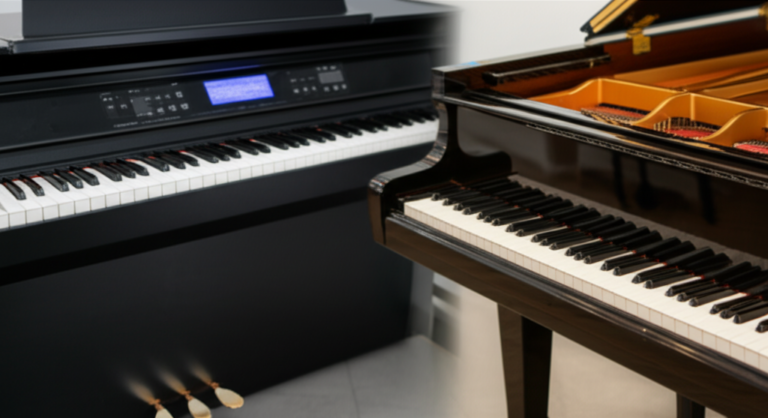
- Console Digital Pianos: Designed to look more like a traditional piano, these are excellent for home use. They offer a better playing experience with more robust speaker systems and sturdier construction.
- High-End Digital & Hybrid Pianos: These instruments blur the line between digital and acoustic. Some, like Yamaha’s Clavinova series or Kawai’s CA series, feature real wood keys and complex mechanisms to replicate the feel of an acoustic piano. Hybrid pianos even incorporate a real acoustic piano action.
As the expert in our featured video points out, for anyone learning to play properly, fully weighted keys are the most important feature. It’s an investment that pays off in the long run by building correct finger strength and technique. While a cheap digital piano is often better than a cheap acoustic piano, the goal is to find an instrument that inspires you to play.
4. Used Pianos: How Much Can You Save and What to Watch For
Buying a used piano can be a fantastic way to get more bang for your buck, but it’s a bit like navigating a minefield. A well-maintained, high-quality used piano can be a treasure. However, an old, neglected piano can be a money pit of endless repairs.
Here’s a quick checklist for inspecting a used acoustic piano:
- ✅ Check for cracks: Inspect the soundboard and bridges for any cracks.
- ✅ Examine the keys and hammers: Are the keys level? Are the hammer felts deeply grooved or flat?
- ✅ Test the tuning pins: They should be tight and not rusty. A piano that can’t hold its tune is essentially a large, decorative piece of furniture.
- ❌ Beware of strange smells or signs of pests: Evidence of moths or rodents is a major red flag.
Our biggest piece of advice? Hire an independent piano technician to inspect any used acoustic piano you’re serious about. It’s a small price to pay for peace of mind.
🎹 Spotlight on Brands: Yamaha, Steinway, Kawai, and More
Brand reputation in the piano world is built on decades, sometimes centuries, of quality and innovation. While there are many excellent manufacturers, a few names consistently stand out. Dive deeper with our Piano Brand Guides.
5. How Much Does a New Yamaha Grand Piano Really Cost?
Yamaha is a powerhouse in the music industry, known for its consistency and wide range of options. Their grand piano lineup caters to everyone from home enthusiasts to concert artists.
- The GB1K is Yamaha’s most compact and affordable baby grand, making the grand piano experience accessible to more people.
- The GC Series offers a step up in tonal character and expressive range.
- The renowned C Series (now CX Series) are fixtures in recording studios and music schools worldwide, praised for their superb balance and rich tone.
- At the top are the CF Series concert grands, handcrafted instruments built for the world’s most prestigious stages.
6. The Price of Prestige: Concert Grand Pianos Unveiled
When you step into the realm of high-end concert grands, you’re not just buying an instrument; you’re investing in a masterpiece of art and engineering.
- Steinway & Sons: The name is legendary. A Steinway Model D is the standard by which all other concert grands are judged.
- Bösendorfer: Known for their rich, warm, and powerful sound, these Austrian-made pianos are exquisite.
- Fazioli: A relative newcomer (founded in 1981), Fazioli has quickly earned a reputation for producing pianos of extraordinary clarity and power.
These instruments are meticulously handcrafted from the finest materials, and their prices can easily soar into the six-figure range.
💡 Factors That Influence Piano Prices: What You Need to Know
So, what’s behind the price tag? It’s a symphony of factors playing in concert.
| Factor | Impact on Price | Why it Matters |
|---|---|---|
| Brand Reputation | High | Established brands have a proven track record of quality, craftsmanship, and durability, which commands a premium. |
| Size & Type | High | Larger pianos require more materials and labor. Grand pianos are more complex to build than uprights. |
| Materials Quality | High | The quality of the wood for the soundboard, the felt for the hammers, and the metal for the strings all dramatically affect the tone and longevity. |
| Craftsmanship | High | A handcrafted piano from a top-tier brand involves thousands of hours of skilled labor, resulting in a higher cost and superior instrument. |
| Age & Condition | Varies | A new piano will cost more than a used one, but a well-maintained used piano from a premium brand can hold its value remarkably well. Poor condition drastically lowers value. |
| Innovation | Medium | Features like self-playing systems (e.g., Yamaha Disklavier) or hybrid technology add to the cost. |
🔧 The Hidden Costs: Piano Maintenance and Tuning Expenses
Your relationship with your acoustic piano doesn’t end at the checkout. It’s a living, breathing instrument that needs regular care.
The Importance of Regular Tuning
An acoustic piano has hundreds of strings held under immense tension, and they are sensitive to changes in temperature and humidity. This is why regular tuning is non-negotiable.
- How often? A good rule of thumb is at least once a year, though twice a year (after the major seasonal changes) is ideal.
- How much? The cost for a standard tuning typically ranges from about $100 to $200. This can vary based on your location and the technician’s experience.
- What if it’s been a while? If a piano has been neglected for a long time, it may be very flat and require a “pitch raise” before the fine-tuning can even begin. This is an extra service that will add to the cost.
As one source notes, “Pianos that are significantly out of tune will incur higher costs.” Neglecting your piano doesn’t save money; it just leads to more expensive maintenance down the road.
🎯 When to Choose Entry-Level, Mid-Range, or High-End Pianos
The right piano for you depends entirely on your goals, budget, and commitment.
- ✅ Entry-Level: Perfect for beginners and young children. The goal here is to get started on an instrument with good touch and tone without a massive financial commitment. A quality digital piano or a solid used upright is often the best choice.
- ✅ Mid-Range: Ideal for serious students and dedicated hobbyists. You’re committed to playing and can appreciate the difference in a more responsive action and richer tone. These instruments offer a fantastic balance of quality and value, providing a playing experience that won’t hold you back.
- ✅ High-End: For professional musicians, aspiring artists, and discerning enthusiasts. At this level, you’re seeking the ultimate in expression, touch, and tonal beauty. A high-end piano is a lifetime investment in your musical passion.
🛒 Your Piano Shopping Cart: Budgeting and Smart Buying Tips
Ready to shop? Let’s make sure you do it smartly.
- Set a Realistic Budget: Determine what you can comfortably afford, remembering to account for delivery and the first tuning.
- Try Before You Buy: This is our golden rule. You wouldn’t buy a car without a test drive, right? Play as many pianos as you can within your budget. Every piano has its own personality, and you need to find one that “speaks” to you.
- Consider the Room: A giant grand piano might overpower a small living room, both acoustically and visually. Measure your space!
- Think Long-Term: Many reputable dealers offer trade-up policies, allowing you to apply the original purchase price of your piano towards a better one in the future. This can be a fantastic way to grow with your instrument.
🔥 Best Sellers and Popular Piano Models to Consider
While “best” is subjective, some models are popular for a reason—they deliver exceptional value and performance. Here are a few to start your research:
-
Digital Pianos:
- Yamaha Clavinova Series: A benchmark for home digital pianos.
- Kawai CA Series: Known for their excellent wooden-key actions.
- Roland FP and RP Series: Offer great feel and sound, with models like the RP701 and FP-30X being very popular.
-
Upright Pianos:
- Yamaha U1 & U3: Legendary for their durability and performance in institutional and home settings.
- Kawai K-300: An award-winning model that is a favorite among teachers and students.
-
Grand Pianos:
- Yamaha GB1K/GC1: Excellent entry points into the world of grand pianos.
- Kawai GL Series: Offers features from their higher-end GX series at a more accessible point.
- Boston Pianos: Designed by Steinway & Sons, offering a taste of the Steinway heritage.
👉 Shop these trusted brands on:
- Yamaha: Amazon | Sweetwater | Musician’s Friend | Yamaha Official Website
- Kawai: Sweetwater | Musician’s Friend | Kawai Official Website
- Roland: Amazon | Sweetwater | Musician’s Friend | Roland Official Website
🔍 Explore More Piano Insights: Trends, Innovations, and Tips
The piano world is always evolving! From hybrid technologies that combine the best of acoustic and digital worlds to new materials that enhance sound and durability, there’s always something new to discover. Keep an eye on our Piano Comparison articles to stay up-to-date on the latest and greatest.
🎵 Stay In Tune with Piano Gallery: Community and Resources
Buying a piano is just the beginning. We’re building a community for piano lovers of all stripes. Whether you’re looking for practice tips, trying to identify a vintage model, or just want to share your favorite Chopin nocturne, you’re in the right place.
💬 Leave a Comment: Share Your Piano Buying Experience
What was your first piano? Do you have a dream piano you’re saving up for? Share your stories, questions, and experiences in the comments below. We read every single one and love hearing from fellow enthusiasts!
📚 Recommended Links for Piano Buyers and Enthusiasts
- Piano Technicians Guild: An essential resource for finding a qualified, registered piano technician in your area.
- Acoustic vs. Digital Pianos – A Deep Dive: Our comprehensive guide to help you choose the right type of piano for your needs.
- The Piano Forums at PianoWorld: A vibrant online community where you can ask questions and learn from other piano owners and professionals.
❓ Frequently Asked Questions About Piano Costs
1. Can I get a good piano for free?
While you might see “free piano” listings, be very cautious. Often, these are old, worn-out instruments that the owners simply want removed. The cost of moving and repairing such a piano can quickly exceed the price of a decent used one. Always have a technician inspect it first.
2. How much does it cost to move a piano?
Piano moving is a specialized skill. Expect to pay several hundred dollars for a local move for an upright, and more for a grand piano or a long-distance move. It’s not a DIY job!
3. Does a digital piano feel the same as an acoustic one?
High-end digital pianos have come a long way in replicating the feel of an acoustic piano with weighted keys, graded hammer action, and even simulated escapement. While purists will always feel a difference, modern digital pianos provide an incredibly authentic experience that is more than sufficient for learning and advanced playing.
4. How much value does a piano lose over time?
Unlike cars, high-quality acoustic pianos can hold their value remarkably well if properly maintained. Some premium brands like Steinway can even appreciate in value over time. Digital pianos, however, depreciate more quickly as technology evolves.
5. Is it worth buying a more expensive piano for a beginner?
It’s a balance. You don’t need a concert grand for a first-timer, but an instrument that is difficult or unpleasant to play can discourage practice. A good quality entry-level instrument—acoustic or digital—with a responsive touch and pleasant tone is the best investment in a beginner’s musical future.
🔗 Reference Links and Trusted Sources
For this article, we consulted a variety of expert sources and consumer insights to provide a well-rounded perspective. Our information is synthesized from respected industry publications, technician guides, and manufacturer specifications. We believe in transparency and providing you with the most accurate, helpful information possible.
🏁 Conclusion: Finding the Perfect Piano Within Your Budget

So, how much money is a good piano? The answer, as we’ve explored, is beautifully complex—much like the instrument itself. Whether you’re eyeing an upright for your cozy apartment, a grand piano to dazzle guests, or a digital piano that fits your tech-savvy lifestyle, the “right” price depends on your goals, space, and commitment.
Acoustic pianos offer unmatched touch and tonal richness but come with higher upfront and maintenance costs. Digital pianos provide affordability, convenience, and versatility, especially for beginners and those with limited space.
If you’re considering a new Yamaha grand piano, expect excellent craftsmanship and a range that suits many budgets, from the compact GB1K baby grand to the prestigious CF concert grand. For concert grands, brands like Steinway & Sons, Bösendorfer, and Fazioli represent the pinnacle of piano artistry—and price.
Buying used? It’s a savvy move if you do your homework and enlist a qualified technician to inspect the instrument. This can save you thousands but beware of hidden repair costs.
Remember, the best piano is the one that inspires you to play and grow. Don’t let price alone dictate your choice—touch, tone, and personal connection matter just as much.
We hope this guide has answered your burning questions and helped you feel confident about your piano investment. Now, go forth and find that perfect piano to fill your home with music! 🎶
📚 Recommended Links for Piano Buyers and Enthusiasts
Ready to explore or shop? Here are some curated links to help you get started:
Shop Popular Piano Brands and Models
-
Yamaha Pianos:
Amazon | Sweetwater | Musician’s Friend | Yamaha Official Website -
Kawai Pianos:
Sweetwater | Musician’s Friend | Kawai Official Website -
Roland Digital Pianos:
Amazon | Sweetwater | Musician’s Friend | Roland Official Website
Recommended Books for Piano Enthusiasts and Buyers
-
The Piano Book by Larry Fine — A classic guide to buying, maintaining, and appreciating pianos.
Amazon Link -
Piano Maintenance and Tuning by Stefan Knüpfer — A detailed manual for understanding piano upkeep.
Amazon Link -
Digital Piano Buying Guide by Mark Vail — Insightful tips on choosing the right digital piano.
Amazon Link
❓ Frequently Asked Questions About Piano Costs
What is the average price range for a quality acoustic piano?
A quality acoustic piano typically ranges from $3,000 to $30,000+ depending on the type and brand. Upright pianos suitable for serious students often fall between $6,500 and $15,000 new, while grand pianos start around $8,000 for entry-level baby grands and can exceed $200,000 for concert grands by Steinway or Bösendorfer. Used pianos can be more affordable but require careful inspection.
Just remember: Price reflects craftsmanship, materials, and brand reputation. A well-made piano is an investment that can last decades or even a lifetime.
How much should I spend on a beginner digital piano?
For beginners, a digital piano in the $500 to $2,000 range is usually sufficient. Entry-level models like the Yamaha P-125 or Roland FP-30X offer fully weighted keys and good sound quality, essential for developing proper technique. Spending more can get you advanced features like better speakers, more realistic key action, and connectivity options, but it’s not mandatory for starting out.
Pro tip: Prioritize weighted keys over bells and whistles when choosing a beginner digital piano.
Are expensive pianos worth the investment for amateurs?
Expensive pianos—especially high-end acoustic grands—offer superior touch, tone, and longevity, but they may be overkill for casual players or beginners. For amateurs who are passionate and committed to improving, investing in a mid-range piano can significantly enhance the playing experience and motivation.
However, if you’re unsure about your long-term commitment, starting with a quality entry-level instrument (digital or acoustic) is a wise choice. You can always upgrade later.
What factors affect the cost of acoustic versus digital pianos?
Acoustic Piano Cost Factors
- Materials: Solid spruce soundboards, premium hardwoods, and hand-crafted components increase cost.
- Size and Type: Larger grands cost more due to complexity and materials.
- Brand and Craftsmanship: Renowned brands with hand-built processes command premium prices.
- Maintenance: Acoustic pianos require regular tuning and occasional repairs, adding to lifetime cost.
Digital Piano Cost Factors
- Sound Engine Quality: Higher-end models use advanced sampling or modeling for realistic tones.
- Key Action: Realistic weighted keys with graded hammer action add to price.
- Features: Connectivity (MIDI, Bluetooth), recording, and built-in lessons affect cost.
- Build Quality: Better speakers, cabinetry, and durability increase price.
🔗 Reference Links and Trusted Sources
We stand on the shoulders of giants! For your peace of mind, here are the reputable sources that informed our guide:
- Piano Gallery: How Much Does a Piano Cost? — Comprehensive pricing breakdowns and expert insights.
- Morningside Music Academy: How Much Does Piano Tuning Cost? — Detailed explanation of tuning costs and maintenance.
- Steinway & Sons Official Site — For concert grand piano details and craftsmanship.
- Yamaha Pianos Official Site — Extensive product lineup and specifications.
- Piano Technicians Guild — Find certified piano technicians near you.
- Is an Online Piano Tuning Course Worth the Cost? — Community discussion and expert opinions.
- PianoWorld Forums — Active community for piano enthusiasts and professionals.
We hope this guide has been your perfect accompaniment on the path to piano ownership! 🎶 If you have more questions or want to share your journey, don’t hesitate to drop a comment below. Happy playing!