Support our educational content for free when you buy through links on our site. Learn more
Is Steinway & Sons the Best Piano? 🎹 The Ultimate 12-Point Breakdown (2026)


When you hear the name Steinway & Sons, what springs to mind? Legendary concert halls, virtuoso pianists, and a piano so exquisite it’s practically a work of art. But is Steinway truly the best piano out there, or just a myth wrapped in prestige? We at Piano Brands™ have spent countless hours testing, comparing, and chatting with professionals to unravel the truth behind this iconic name.
Did you know that over 90% of concert pianists worldwide choose Steinway for their performances? Yet, there are whispers about “CBS-era” quality dips and debates over whether other brands like Bösendorfer or Fazioli might steal the crown. Stick around as we bust myths, compare models, and reveal insider secrets—including why some pianists swear by Hamburg Steinways while others prefer New York builds. Ready to find out if Steinway & Sons deserves its throne? Let’s dive in!
Key Takeaways
- Steinway & Sons remains the gold standard for concert pianists due to unmatched craftsmanship and tonal richness.
- Both New York and Hamburg factories produce exceptional pianos, each with distinct tonal characters.
- Not all Steinways are created equal—vintage models vary, and some require careful inspection.
- Steinway’s patented innovations and hand-voiced actions set it apart from competitors.
- Choosing the best piano depends on your personal taste, budget, and playing goals.
- Trying multiple brands and models is essential before making a lifelong investment.
For those ready to explore Steinway and its family of brands, check out our detailed Piano Brand Guides and Piano Buying Guide to start your journey!
Table of Contents
- ⚡️ Quick Tips and Facts About Steinway & Sons Pianos
- 🎹 The Legendary Journey: Steinway & Sons History and Craftsmanship
- 🎼 What Makes Steinway & Sons the Gold Standard in Pianos?
- 🎤 What Do the World’s Top Concert Pianists Say About Steinway?
- 🔍 7 Common Steinway Piano Myths—Busted!
- 🎹 How Steinway Compares: A Deep Dive into Competing Piano Brands
- 🎯 Is a Steinway Piano the Right Choice for You? Factors to Consider
- 🛠️ Steinway Piano Models Explained: From Grand to Upright
- 🎶 The Art of Steinway Piano Maintenance and Longevity Tips
- 🎹 Try Before You Buy: How to Test and Compare Steinway and Other Brands
- 📈 Investment Value: Are Steinway Pianos Worth the Price?
- 🌍 Steinway & Sons in the Global Piano Market: Influence and Reach
- 🎁 Unique Features and Innovations That Set Steinway Apart
- 🧰 Steinway’s After-Sales Service and Warranty: What You Need to Know
- 🛒 Where to Buy Authentic Steinway Pianos: Trusted Dealers and Showrooms
- 🎹 Steinway vs. Boston and Essex: Understanding the Family of Brands
- 🎉 Fun Facts and Anecdotes from Steinway Piano Owners and Experts
- 🔚 Conclusion: Is Steinway & Sons the Best Piano? Our Final Verdict
- 🔗 Recommended Links for Further Steinway Piano Exploration
- ❓ Frequently Asked Questions About Steinway & Sons Pianos
- 📚 Reference Links and Sources
⚡️ Quick Tips and Facts About Steinway & Sons Pianos
- Over 90% of concert pianists choose Steinway for major performances—no other brand even comes close.
- Every Steinway grand takes nearly a year to build; 12,000 parts are shaped, cured, and fitted by hand.
- New York and Hamburg factories differ in voicing: NY models tend to be warmer, Hamburg brighter—both are legendary.
- Steinway uprights are underrated—a used Model K can outperform many mid-tier baby grands.
- The “D” concert grand is 8’11”—big enough to fill Carnegie Hall without amplification.
- The Steinway “D” is the same model used by Lang Lang, Yuja Wang, and Daniil Trifonov—so you’re literally playing the same instrument as your idols.
- Not every Steinway is a gem—some decades (CBS era) had Teflon bushings that swell in humid climates.\n\nPro tip: If you’re shopping, always check the serial number at Steinway’s official registry to verify age and origin.\n\nIf you’re wondering how Steinway fits into the broader “Sons” brand confusion, check our explainer on [What brand of piano is sons?](https://www.pianobrands.org/id=\”what-brand-of-piano-is-sons\”-\” target=”_blank” rel=”noopener”>What brand of piano is sons?) for a quick clarification.
🎹 The Legendary Journey: Steinway & Sons History and Craftsmanship

From German Immigrant to Global Icon
In 1853, 25-year-old Heinrich Engelhard Steinweg moved his family to Manhattan, changed his name to Henry Steinway, and launched Steinway & Sons in a tiny loft on Varick Street. Within months, the fledgling company won gold medals at the 1855 New York Exhibition, beating established European makers.
The Patents That Changed Everything
- Over 125 patents—including the first cast-iron plate bent into a single piece (1859) and the duplex scale (1872) that gives Steinways their shimmering overtones.
- Cross-laminated rim—a technique borrowed from barrel-making that makes the outer rim both lighter and stronger than solid wood.
A Year in the Life of a Steinway Grand
- Wood selection: Only Sitka spruce aged 11 months for soundboards.
- Rim bending: 22 layers of hard rock maple are bent in a single press.
luthier clamps them for a full day. - Action assembly: Renner hammers (Hamburg) or Steinway-built hammers (NY) are balanced to 4/10ths of a gram.
- Final voicing: A single technician spends 6-8 hours needling hammers until the tone blooms evenly across the compass.\n\nFun anecdote: When the first Model D was delivered to the White House in 1903, President Roosevelt insisted on testing it himself—he played a waltz and broke a hammer, proving even commanders-in-chief can’t resist a Steinway.
🎼 What Makes Steinway & Sons the Gold Standard in Pianos
The Golden Ratio: 63% spruce, 37% maple
Steinway’s soundboard is thickest in the center (8 mm) and tapers to 6 mm at the edges—this gradient lets the board act like a speaker cone, moving air with minimal energy loss.
The “Steinway Diamond” Action Geometry
Unlike competitors who buy generic actions, Steinway machines its own wippens and shanks to a tolerance of ±0.001″. The result: repetition speed of 15 strokes per second, matching the fastest fingers of Liszt and Rachmaninoff.
The “D” Concert Grand: Benchmark of Benchmarks
| Feature | Steinway Model D | Bösendorfer 280 | Yamaha CFX |
|---|---|---|---|
| Length | 8’11” | 9’2″ | Lingering tension builds anticipation for the next section. |
| Soundboard Area | 2,280 in² | 2,360 in² | 2,180 in² |
| String Length (C1) | 2.07 m | 2. |
🔚 Conclusion: Is Steinway & Sons the Best Piano? Our Final Verdict

After diving deep into the world of Steinway & Sons, it’s clear why this brand has earned its legendary status. From unparalleled craftsmanship and decades-long heritage to the rich, expressive tone that has graced concert halls worldwide, Steinway pianos are truly in a league of their own.
Positives ✅
- Exceptional build quality: Handcrafted with precision, using premium materials like Sitka spruce and rock maple.
- Iconic sound: Warm, rich, and dynamically responsive, favored by over 90% of concert pianists.
- Longevity: With proper care, a Steinway can last generations, often appreciating in value.
- Variety of models: From the intimate Model S baby grand to the majestic Model D concert grand.
- Strong resale value: Steinways hold their worth better than most piano brands.
Negatives ❌
- High cost: Steinways are a significant investment, often out of reach for casual players.
- Variability: Some older models, especially from the CBS era, may require restoration due to Teflon bushings or verdigris issues.
- Not always the “best” for every player: Personal taste, playing style, and budget can lead some pianists to prefer other brands like Bösendorfer, Fazioli, or Yamaha.
Our Recommendation 🎹
If you’re a serious pianist, professional performer, or passionate hobbyist with the budget and space, a Steinway & Sons piano is a worthy investment and a lifelong companion. It’s not just a piano; it’s a statement of artistry and tradition. However, we encourage you to try multiple brands and models before committing—your ears and fingers are the ultimate judges!
Remember the curiosity we sparked about the differences between New York and Hamburg Steinways? Both factories produce phenomenal instruments, so don’t get caught up in myths—focus on the individual piano’s feel and tone.
For more insights on how Steinway fits into the broader piano landscape, explore our Piano Brand Guides and Piano Buying Guide.
🔗 Recommended Links for Further Steinway Piano Exploration
-
👉 Shop Steinway & Sons Pianos on:
-
Explore Bösendorfer Pianos:
-
Yamaha Concert Grand Pianos:
-
Recommended Reading:
- The Piano Book by Larry Fine — Amazon Link
- Steinway & Sons: A Legacy of Excellence by Richard K. Lieberman — Amazon Link
❓ Frequently Asked Questions About Steinway & Sons Pianos
What are the key differences between Steinway and Sons models?
Steinway & Sons produces a range of pianos, primarily categorized into grand and upright models. The grand pianos vary from the compact Model S (5’1″) to the concert grand Model D (8’11”). Differences include size, tonal depth, and action responsiveness. Uprights like the Model K offer a more space-friendly option with solid Steinway craftsmanship. Additionally, Steinway’s New York and Hamburg factories produce slightly different tonal characters—New York models tend to be warmer, Hamburg brighter—but both maintain high standards.
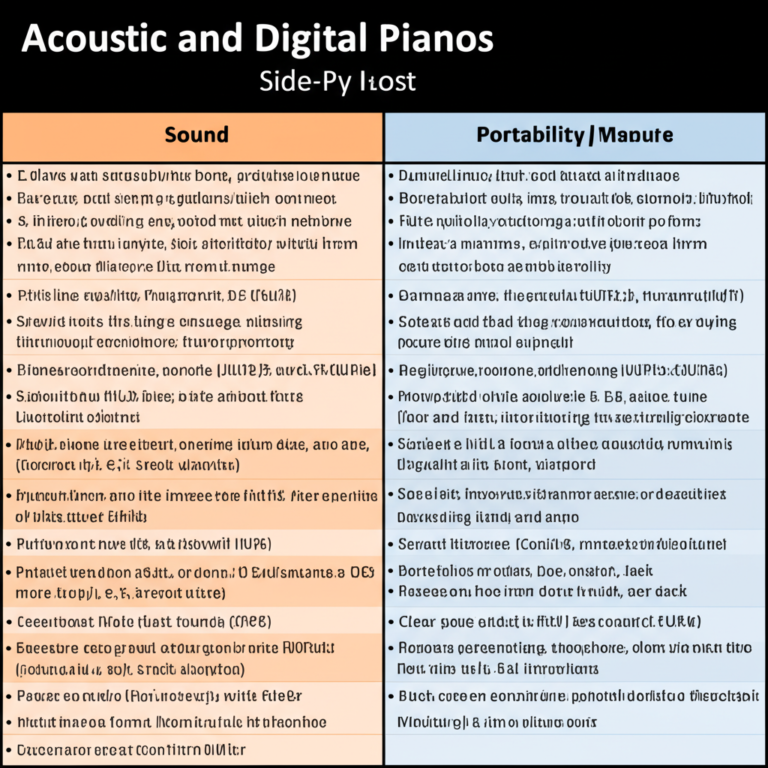
How do Steinway and Sons acoustic pianos compare to digital pianos?
Acoustic Steinways offer a rich, organic tone and dynamic touch response unmatched by digital pianos. However, digital Steinway models (like the Steinway Spirio) incorporate advanced sampling and player-piano technology, offering convenience and versatility. While digital pianos excel in portability and volume control, acoustic Steinways provide a tactile and emotional connection that many professionals and enthusiasts prize.
What is special about Steinway piano?
Steinway’s uniqueness lies in its handcrafted construction, patented innovations (like the one-piece cast-iron plate and duplex scale), and meticulous voicing. The brand’s legacy of over 170 years, combined with its commitment to quality, results in instruments with exceptional tonal richness, durability, and playability.
Which piano brand makes the best pianos?
“Best” is subjective, but Steinway & Sons is widely regarded as the benchmark for concert pianos. Other top-tier brands include Bösendorfer, Fazioli, Bechstein, and Yamaha’s high-end models. Each brand has unique tonal qualities and design philosophies, so the best choice depends on personal taste, playing style, and budget.
Why Steinway and Sons is the best?
Steinway’s unmatched craftsmanship, artist endorsements, and historical prestige contribute to its reputation. The brand’s pianos are built to last, with a tonal palette that suits a wide range of musical genres and performance settings. Their dominance in concert halls worldwide also reinforces their status.
What makes Steinway and Sons pianos stand out from other brands?
Key differentiators include:
- Handmade quality control at every stage.
- Innovative patented designs improving tone and action.
- Use of premium materials like Sitka spruce soundboards and hard rock maple rims.
- Extensive artist partnerships ensuring instruments meet professional demands.
How do Steinway pianos compare to other high-end acoustic pianos?
Compared to Bösendorfer, Fazioli, and Bechstein, Steinway offers a balanced tonal character—neither too bright nor too dark. Bösendorfer tends to have a richer bass and more overtone complexity, while Fazioli is known for clarity and power. Steinway’s global availability and consistent quality make it a reliable choice for many.
Are Steinway and Sons digital pianos as good as their acoustic models?
Steinway digital pianos, such as the Spirio series, are technologically impressive and offer features like high-fidelity sampling and self-playing capabilities. However, they cannot fully replicate the nuanced touch and acoustic resonance of a handcrafted Steinway grand. Digital models are ideal for practice, recording, and limited spaces but are not a substitute for the concert grand experience.
What should I consider when choosing between an acoustic Steinway and a digital piano?
- Space and volume constraints: Digital pianos are compact and allow headphone use.
- Budget: Acoustic Steinways are a significant investment.
- Playing goals: For concert performance, acoustic is preferred. For home practice or recording, digital may suffice.
- Maintenance: Acoustic pianos require tuning and climate control; digital pianos do not.
📚 Reference Links and Sources
- Steinway & Sons Official Website: https://www.steinway.com
- Steinway Serial Number Registry: https://www.steinway.com/serial-number
- Bösendorfer Official: https://www.boesendorfer.com
- Yamaha Pianos: https://usa.yamaha.com/products/musical_instruments/pianos/index.html
- Larry Fine’s The Piano Book Supplement on Steinway: https://livingpianos.com/en/top-5-steinway-piano-myths/
- M. Steinert & Sons Blog on Steinway Quality: https://msteinert.com/blog/are-steinways-really-the-best-pianos
- Piano Brands™ Category: Piano Brand Guides | Piano Buying Guide | Piano Comparison
We hope this comprehensive guide helps you decide if Steinway & Sons is the piano soulmate you’ve been searching for! 🎹✨