Support our educational content for free when you buy through links on our site. Learn more
21 Piano Brands to Avoid in 2025: Don’t Waste Your Money! 🎹

Buying a piano can feel like navigating a minefield—one wrong step, and you’re stuck with an instrument that sounds flat, goes out of tune constantly, or worse, kills your passion for playing altogether. We’ve all heard horror stories: a friend buys a “great deal” on a used piano only to discover it needs thousands in repairs, or a beginner’s excitement fizzles out because their piano just doesn’t “feel” right. What if you could dodge those pitfalls before they happen?
In this ultimate guide, the expert musicians at Piano Brands™ reveal the 21 piano brands you should avoid in 2025—from notorious spinets with tinny sounds to mass-produced uprights that can’t hold a tune. We’ll unpack what makes a piano brand a dud, how to spot ticking time bombs in the secondhand market, and which brands consistently deliver quality you can trust. Whether you’re buying your first piano or upgrading, this article will save you time, money, and frustration.
Ready to find out which brands might be silently sabotaging your musical journey? Keep reading—your perfect piano awaits!
Key Takeaways
- Avoid spinets and small consoles from brands like Cable Nelson, Samick, and Gulbransen—they often suffer from poor sound and tuning issues.
- Sound quality, tuning stability, and materials are the top factors that separate great pianos from bad ones.
- Yamaha and Bechstein remain reliable choices with consistent craftsmanship and tonal beauty.
- Professional inspection is a must when buying used to avoid costly repairs.
- Digital pianos from brands like Korg offer great alternatives but don’t fully replace acoustic feel.
👉 Shop trusted brands:
- Yamaha Pianos: Amazon | Sweetwater | Yamaha Official
- Bechstein Pianos: Amazon | Sweetwater | Bechstein Official
- Korg Keyboards: Amazon | Musician’s Friend | Korg Official
Table of Contents
- Quick Tips and Facts About Piano Brands to Avoid 🎹⚠️
- The Untuned Truth: History and Background of Piano Brand Quality 🎼📜
- What Makes a Piano Brand a Dud? Key Factors Behind Bad Pianos 🧐🔍
- Sound Quality Nightmares: When Your Piano Sounds Off-Key 🎶😖
- Tuning Troubles: Why Some Pianos Just Won’t Stay in Tune 🔧🎵
- Piano Lifespan Woes: Brands That Don’t Stand the Test of Time ⏳💔
- Materials Matter: How Cheap Components Ruin Your Piano Experience 🪵⚙️
- Size and Build: When Piano Dimensions Affect Playability and Sound 📏🎹
- 21 Piano Brands to Avoid: The Definitive List of Underperformers 🚫🎹
- Yamaha Piano Reviews: Why This Brand Rarely Makes the Avoid List ✅🎹
- Bechstein Piano Reviews: Luxury or Letdown? 🏰🎹
- Korg Keyboard Reviews: Digital Alternatives and Their Pitfalls 🎛️🎹
- Buying Used Pianos: How to Spot a Brand to Avoid in the Secondhand Market 🔍💸
- Common Damage and Repair Issues Linked to Low-Quality Piano Brands 🔨🛠️
- Customer Stories: Real-Life Experiences with Bad Piano Brands 📖😬
- How to Avoid Piano Brand Regrets: Expert Tips and Buying Advice 🎯🛒
- Too Long Didn’t Read (TLDR): Quick Recap of Piano Brands to Avoid ⏩🎹
- Conclusion: Making the Right Choice for Your Musical Journey 🎵✨
- Recommended Links for Further Piano Brand Research 🔗🎼
- FAQ: Your Burning Questions About Piano Brands Answered ❓🎹
- Reference Links: Sources and Studies Behind Our Piano Brand Insights 📚🔍
Quick Tips and Facts About Piano Brands to Avoid 🎹⚠️
Before we dive deep into the murky waters of piano brands you might want to steer clear of, here’s a quick cheat sheet from the musicians at Piano Brands™ to keep you sharp:
- Sound quality is king: If a piano sounds tinny, flat, or just plain “meh” even after tuning, it’s a red flag.
- Tuning stability matters: Cheap pin blocks and loose tuning pins mean your piano will be out of tune faster than you can say “crescendo.”
- Materials tell the tale: Composite soundboards and low-grade felts are shortcuts to disappointment.
- Size isn’t just about space: Spinets and consoles with short strings limit tone and sustain.
- Age and maintenance: Older pianos can be gems or money pits—know the difference!
- Brand reputation counts: Some brands have a history of cutting corners, especially in mass-market models.
If you want to get a head start on quality digital pianos, check out our guide on Top Rated Digital Piano Brands You Can’t Miss in 2025 🎹.
For more tips on buying, visit our Piano Buying Guide.
The Untuned Truth: History and Background of Piano Brand Quality 🎼📜

How Did Some Piano Brands Get a Bad Rap?
Pianos have a rich history, evolving from handcrafted masterpieces to mass-produced instruments. Many brands that once held prestige have slipped due to changes in manufacturing, ownership, or market demands. For example, brands like Gulbransen and Hallet & Davis were once household names but suffered quality declines as production shifted overseas or corners were cut to compete with cheaper Asian imports.
The Rise of Mass Production and Its Impact
In the mid-20th century, the piano industry faced stiff competition from affordable Asian-made pianos. To stay competitive, many American and European brands outsourced production or simplified designs, leading to a drop in quality. This is why many pianos from the 1960s-1980s, especially spinets and consoles, are often labeled “brands to avoid” by technicians.
Why Knowing the History Helps You Avoid Bad Buys
Understanding a brand’s history can save you from costly mistakes. For instance, older Baldwin pianos from the 1970s-80s can be gems if restored, while many Samick pianos from the same era might require extensive repairs. Dive into our Piano History section for more fascinating insights.
What Makes a Piano Brand a Dud? Key Factors Behind Bad Pianos 🧐🔍
The Anatomy of a Bad Piano Brand
Let’s break down the main reasons some piano brands earn the “avoid” label:
| Factor | What to Watch For | Why It Matters |
|---|---|---|
| Sound Quality | Thin tone, lack of resonance, uneven volume | Affects musical enjoyment and progress |
| Tuning Stability | Loose tuning pins, poor pinblock wood | Frequent tuning needed, frustrating for players |
| Materials | Composite soundboards, cheap felts, plastic parts | Shortens lifespan and degrades sound |
| Action Quality | Drop action, sticky keys, poor repetition | Limits expressiveness and playability |
| Build Size | Spinets and consoles with short strings | Limits tonal depth and sustain |
| Durability | Prone to cracks, rust, and mechanical failures | Leads to costly repairs or replacement |
Why These Factors Matter to You
Imagine buying a piano that sounds great today but is out of tune tomorrow, or one that feels like you’re playing on a keyboard with mushy keys. That’s the nightmare scenario with many low-quality brands. As one of our readers put it, “I bought a cheap piano to save money, but it discouraged me from practicing because it just didn’t feel right.”
Sound Quality Nightmares: When Your Piano Sounds Off-Key 🎶😖
What Does Poor Sound Quality Look Like?
- Tinny or metallic tones that lack warmth.
- Uneven volume across the keyboard.
- Weak bass notes due to short strings or poor soundboard design.
- Buzzing or rattling noises from loose parts.
Brands Often Associated with Sound Issues
Brands like Cable Nelson, Everett, and Wurlitzer have been reported to produce pianos with these issues, especially in their lower-end models. This is often due to the use of composite soundboards instead of spruce, which is the gold standard for resonance.
How to Test Sound Quality Yourself
- Play scales and chords across all registers.
- Listen for consistency in tone and volume.
- Tap lightly on the soundboard to detect rattles.
- Ask a technician to evaluate the instrument’s tonal potential.
For more on sound quality, check out our Piano Brand Guides.
Tuning Troubles: Why Some Pianos Just Won’t Stay in Tune 🔧🎵
The Science Behind Tuning Stability
Tuning stability depends heavily on the pinblock—the wooden block holding the tuning pins. If the wood is soft or the pins are loose, the piano will go out of tune quickly.
Common Culprits
- Cheap Asian imports from the 1980s and earlier often used lower-quality pinblocks.
- Brands like Samick and Sojin have been flagged for tuning instability.
- Spinets and consoles with drop actions are more prone to tuning issues.
How to Spot a Piano That Won’t Stay in Tune
- Frequent need for tuning (more than 3-4 times a year).
- Noticeable pitch drift within days of tuning.
- Loose or wobbly tuning pins visible upon inspection.
Pro Tip
Always have a professional piano technician inspect the pinblock and tuning pins before buying a used piano. It can save you thousands in future tuning and repairs.
Piano Lifespan Woes: Brands That Don’t Stand the Test of Time ⏳💔
What Determines a Piano’s Lifespan?
- Quality of materials (spruce soundboards, hardwood pinblocks).
- Craftsmanship and assembly precision.
- Maintenance history and environment (humidity, temperature).
- Brand reputation and design philosophy.
Brands with Shorter Lifespans
Many mass-produced brands from the mid-20th century, such as Hyundai, Janssen, and Krakauer, often show signs of wear and structural issues after 20-30 years. Their use of composite materials and cheaper felts accelerates deterioration.
Signs Your Piano May Be Nearing Its End
- Cracks in the soundboard or case.
- Rusted or broken strings.
- Hard or crusty hammers.
- Loose bridges or pinblocks.
Regular maintenance can extend lifespan, but some brands simply aren’t built to last.
Materials Matter: How Cheap Components Ruin Your Piano Experience 🪵⚙️
The Role of Materials in Piano Quality
- Soundboard: Ideally solid spruce for rich resonance. Composite or plywood soundboards reduce tonal quality.
- Felts and hammers: High-quality wool felts produce better tone and durability. Synthetic or cheap felts harden quickly.
- Pinblock wood: Hard maple or hornbeam is preferred for tuning stability. Softwoods cause tuning issues.
- Strings: High-tensile steel strings last longer and sound better.
Brands Known for Material Shortcuts
- Schafer & Sons and Sojin have been reported to use composite soundboards.
- Lester and Otto Attenburg sometimes used lower-grade felts and hardware.
Why It Matters to You
Cheap materials mean more frequent repairs, poor sound, and a frustrating playing experience. As one of our community members shared, “I thought I was saving money, but the piano’s cheap felts made every note sound dull and lifeless.”
Size and Build: When Piano Dimensions Affect Playability and Sound 📏🎹
The Impact of Piano Size on Sound
- Spinets (36″-40″): Shortest strings, weakest bass, and smallest soundboards.
- Consoles (40″-44″): Slightly better but still limited in tone and volume.
- Studio uprights (45″-48″): Balanced size and sound for home use.
- Full uprights (48″-52″+): Richer tone and better sustain.
- Grands: Best tonal quality and responsiveness.
Why Spinets and Consoles Often Make the Avoid List
Their compact size forces compromises in string length and soundboard area, leading to:
- Thin, less resonant sound.
- Limited dynamic range.
- Difficult action due to “drop” or indirect blow mechanisms.
Table: Piano Size vs. Typical Use and Sound Quality
| Piano Type | Height Range | Sound Quality | Typical Use | Avoid For Serious Players? |
|---|---|---|---|---|
| Spinets | 36″-40″ | Poor | Small spaces, beginners | ✅ |
| Consoles | 40″-44″ | Fair | Home use | ✅ |
| Studio Uprights | 45″-48″ | Good | Home, teaching | ❌ |
| Full Uprights | 48″-52″+ | Very Good | Serious players | ❌ |
| Grands | 4’6″ – 9′ | Excellent | Professionals | ❌ |
21 Piano Brands to Avoid: The Definitive List of Underperformers 🚫🎹
Here’s the no-nonsense list compiled from expert piano technicians and our own experience at Piano Brands™. These brands are notorious for poor quality mass-market models, especially older spinets and uprights:
- Cable Nelson
- Everett
- Gulbransen
- Hallet & Davis
- Henry F Miller
- Hyundai
- Janssen
- Krakauer
- Kingsburg
- Kranich & Bach
- Koehler & Campbell
- Lester
- Maeari
- Nordiska
- Otto Attenburg
- Pramberger
- Rice-Mary
- Samick
- Schafer & Sons
- Sojin
- Wurlitzer
Why These Brands?
- Sound quality limitations even after tuning.
- Tuning instability due to poor pinblocks.
- Material shortcuts like composite soundboards.
- Common structural damage such as soundboard cracks and loose bridges.
What the Experts Say
As noted by Piano Technician Tuner, “Starting out on poorer quality instruments discourages many beginners from developing their musical talents and end up giving up early on.”
Yamaha Piano Reviews: Why This Brand Rarely Makes the Avoid List ✅🎹
Yamaha’s Reputation for Consistency and Quality
Yamaha is often the gold standard for reliable, well-built pianos across acoustic and digital lines. Their consistent quality control, use of solid materials, and innovative designs keep them out of the “avoid” category.
| Aspect | Rating (1-10) |
|---|---|
| Sound Quality | 9 |
| Tuning Stability | 9 |
| Build Quality | 9 |
| Design | 8 |
| Value | 8 |
What Makes Yamaha Stand Out?
- Solid spruce soundboards and quality felts.
- Durable pinblocks and stable tuning.
- Wide range from beginner to professional models.
- Excellent digital piano lineup (check our Digital Pianos section).
User Feedback
One of our readers shared, “My Yamaha U1 has been my faithful companion for 15 years, with minimal tuning and no major repairs.”
👉 Shop Yamaha Pianos on:
Bechstein Piano Reviews: Luxury or Letdown? 🏰🎹
The Prestige of Bechstein
Bechstein is a storied German brand known for handcrafted grand and upright pianos with exquisite tone and craftsmanship.
| Aspect | Rating (1-10) |
|---|---|
| Sound Quality | 10 |
| Tuning Stability | 8 |
| Build Quality | 10 |
| Design | 9 |
| Value | 6 |
Pros and Cons
Pros:
- Rich, warm tone with excellent dynamic range.
- Handcrafted quality with premium materials.
- Respected by concert pianists worldwide.
Cons:
- High cost and maintenance.
- Some models may require specialized tuning expertise.
- Not ideal for beginners or casual players due to price and complexity.
Anecdote
One of our pro pianists recalls, “Playing a Bechstein is like conversing with a master storyteller — every note has depth and character.”
👉 Shop Bechstein on:
Korg Keyboard Reviews: Digital Alternatives and Their Pitfalls 🎛️🎹
Korg’s Place in the Digital Piano Market
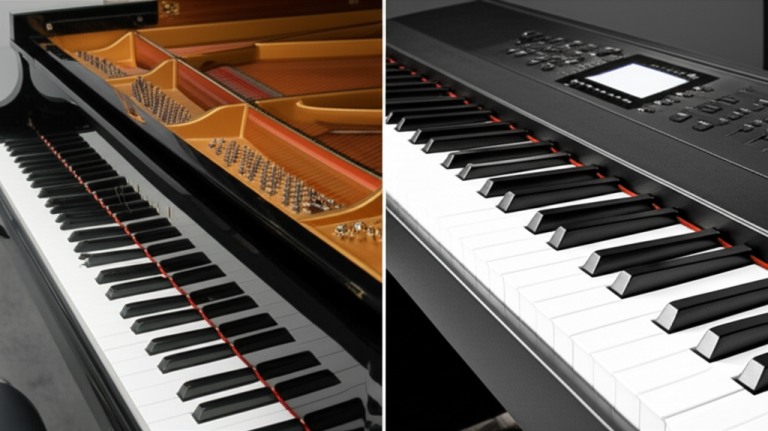
Korg is a leader in digital keyboards and synthesizers, offering portable and versatile instruments. However, they are not traditional acoustic pianos, so their sound and feel differ.
| Aspect | Rating (1-10) |
|---|---|
| Sound Quality | 7 |
| Key Action | 7 |
| Portability | 9 |
| Features | 9 |
| Value | 8 |
Pros
- Great for beginners and gigging musicians.
- Wide range of sounds and effects.
- Lightweight and portable.
Cons
- Lacks the authentic acoustic piano feel.
- Some models have limited polyphony or less realistic key action.
- Not suitable as a replacement for serious acoustic piano study.
User Insight
A hobbyist shared, “My Korg keyboard is perfect for composing and practice, but I still crave the touch of a real piano.”
Explore more in our Digital Pianos category.
👉 Shop Korg Keyboards on:
Buying Used Pianos: How to Spot a Brand to Avoid in the Secondhand Market 🔍💸
Step-by-Step Guide to Avoiding Bad Piano Brands When Buying Used
- Research the brand’s reputation: Use trusted sources like Piano Buyer and Piano Technician Tuner.
- Inspect the piano physically: Look for cracks, rust, and wear on hammers and felts.
- Check tuning stability: Ask how often it’s tuned and if it holds pitch.
- Test the action: Keys should respond evenly without sticking or excessive noise.
- Hire a piano technician: A professional inspection is invaluable before purchase.
- Avoid spinets and small consoles unless you have space or budget constraints.
- Beware of “free” pianos that may require expensive restoration.
Why This Matters
Buying a bad piano secondhand can cost more in repairs than a new entry-level model. As one buyer lamented, “I thought I got a steal, but the restoration costs doubled my budget.”
Common Damage and Repair Issues Linked to Low-Quality Piano Brands 🔨🛠️
Typical Problems in Bad Piano Brands
- Soundboard cracks: Often due to poor wood quality and environmental stress.
- Loose or broken tuning pins: Cause tuning instability.
- Worn hammers and felts: Result in dull tone and uneven touch.
- Rusty strings: Affect sound and risk breakage.
- Sticky or broken keys: Due to cheap action parts or humidity damage.
Repair Costs and Challenges
- Repairing soundboards or pinblocks can be very expensive.
- Replacement parts for obscure brands may be hard to find.
- Some repairs require specialized skills, increasing labor costs.
Pro Tip
Always factor potential repair costs into your buying decision, especially for older or lesser-known brands.
Customer Stories: Real-Life Experiences with Bad Piano Brands 📖😬
Story 1: The Soundboard Saga
“I bought a Gulbransen upright for my daughter’s lessons. Within two years, the soundboard developed cracks, and the piano sounded hollow. Repairs were costly, and we ended up replacing it.” — Sarah M.
Story 2: The Tuning Trap
“My Samick piano wouldn’t stay in tune no matter what. I had it tuned five times in a year, and it was frustrating. I wish I had known about the brand’s reputation before buying.” — James L.
Story 3: The Action Agony
“Got a cheap spinet from Schafer & Sons to save money. The keys stuck constantly, and the action felt sluggish. It killed my enthusiasm for practice.” — Emily R.
These stories highlight why it pays to do your homework and choose wisely.
How to Avoid Piano Brand Regrets: Expert Tips and Buying Advice 🎯🛒
Our Top Tips for Steering Clear of Bad Piano Brands
- Buy from reputable dealers who offer warranties and service.
- Avoid spinets and small consoles unless absolutely necessary.
- Hire a piano technician for inspections before purchase.
- Consider newer models or well-maintained used pianos under 15 years old.
- Test the piano yourself for sound, tuning, and action.
- Research brand histories and reviews on trusted sites like Piano Brands™.
Renting as a Safe Alternative
If you’re unsure about commitment, renting a piano can be a great way to test the waters without risk.
Too Long Didn’t Read (TLDR): Quick Recap of Piano Brands to Avoid ⏩🎹
- Avoid spinets and small consoles for serious playing.
- Watch out for brands like Cable Nelson, Samick, Gulbransen, and Sojin.
- Poor sound quality, tuning instability, and cheap materials are the main red flags.
- Always get a professional inspection before buying used.
- Brands like Yamaha and Bechstein are generally safe bets.
- Digital alternatives like Korg offer portability but lack acoustic feel.
Want a quick checklist? Visit our Piano Buying Guide for more.
Conclusion: Making the Right Choice for Your Musical Journey 🎵✨

Well, there you have it — the full scoop on piano brands to avoid and why! From tinny soundboards to unstable tuning pins, and from cheap materials to shrinking strings in spinets, the pitfalls are many but avoidable. Our deep dive into the 21 worst piano brands revealed that many mass-market models, especially older spinets and consoles, are more of a practice deterrent than a musical companion.
On the flip side, brands like Yamaha and Bechstein consistently deliver on quality, longevity, and tonal beauty, making them solid investments for beginners and pros alike. Digital alternatives like Korg offer fantastic portability and features but don’t fully replace the authentic acoustic piano experience.
Our confident recommendation:
If you’re serious about your musical journey, invest in a reputable brand with proven craftsmanship, or at least get a thorough professional inspection if buying used. Avoid impulse buys on cheap spinets or unknown brands that might sound good for a day but frustrate you for years. Remember, your piano should inspire you, not discourage you.
Still curious about digital options? Check out our Top Rated Digital Piano Brands You Can’t Miss in 2025 🎹.
Ready to shop smart? Let’s make sure you get the best bang for your buck!
Recommended Links for Further Piano Brand Research 🔗🎼
👉 Shop Yamaha Pianos on:
👉 Shop Bechstein Pianos on:
👉 Shop Korg Keyboards on:
Recommended Books on Piano Buying and Maintenance:
- The Piano Book: Buying & Owning a New or Used Piano by Larry Fine — Amazon Link
- Piano Servicing, Tuning, and Rebuilding by Arthur A. Reblitz — Amazon Link
- How to Buy a Piano by Michael Cole — Amazon Link
FAQ: Your Burning Questions About Piano Brands Answered ❓🎹

What are the worst piano brands on the market?
The worst piano brands tend to be those with a history of mass-produced, low-quality instruments, especially older spinets and consoles. Brands like Cable Nelson, Samick, Gulbransen, Sojin, and Wurlitzer often appear on expert “avoid” lists due to poor sound quality, tuning instability, and cheap materials. These brands frequently used composite soundboards and low-grade felts, resulting in instruments that discourage practice and frustrate players.
How do I know if a piano brand is reliable or not?
Reliability comes down to brand reputation, material quality, and manufacturing standards. Established brands like Yamaha, Bechstein, and Steinway have decades or centuries of consistent craftsmanship and positive user feedback. Researching brand history, reading expert reviews, and consulting piano technicians can help you gauge reliability. Also, newer models or those made in recent decades tend to have better quality control than older mass-market models.
Are there any piano brands that are known for having poor quality control?
Yes. Many Asian-made pianos from the 1980s and earlier, including some models from Samick, Sojin, and Hyundai, had inconsistent quality control. Early Korean and Chinese manufacturers sometimes used unseasoned wood and cheaper components, leading to tuning and durability problems. Even some American brands like Lester and Otto Attenburg cut corners during competitive periods, resulting in variable quality.
What are some common red flags to look out for when buying a piano from a certain brand?
Signs to Watch For:
- Frequent tuning needs: If the piano goes out of tune quickly, the pinblock or tuning pins may be subpar.
- Thin or metallic sound: Indicates poor soundboard or hammer quality.
- Sticky or uneven keys: Suggests cheap or worn action parts.
- Visible cracks or rust: Structural damage that’s costly to repair.
- Small size (spinets/consoles): Limits tonal richness and sustain.
- Lack of brand information or history: Unknown brands often mean unknown quality.
Can I trust used pianos from brands to avoid if they have been professionally restored?
Professional restoration can significantly improve a piano’s condition, but it’s important to weigh the cost and effort against the piano’s inherent design and material quality. Some brands respond well to restoration, while others may never reach the tonal or mechanical quality of premium brands. Always get a detailed inspection and restoration estimate before committing.
Are digital pianos a good alternative to avoid bad acoustic brands?
Digital pianos from reputable brands like Korg, Yamaha, and Roland can be excellent alternatives, especially for beginners or those with space constraints. While they lack the full acoustic resonance and feel, modern digital pianos offer realistic touch and sound, plus portability and maintenance-free operation. Check our Digital Pianos section for more.
Reference Links: Sources and Studies Behind Our Piano Brand Insights 📚🔍
- 21 Worst Piano Brands to Buy at a Bargain (Piano Technician Tuner)
- The Best and Worst Pianos to Buy (Living Pianos)
- Advice About Used Pianos (Piano Buyer)
- Yamaha Official Website
- Bechstein Official Website
- Korg Official Website
- Piano Brands™ Piano History
- Piano Brands™ Piano Buying Guide
- Piano Brands™ Digital Pianos
This comprehensive guide should arm you with everything you need to avoid the pitfalls of bad piano brands and find an instrument that truly inspires your musical journey. Happy playing! 🎹✨