Support our educational content for free when you buy through links on our site. Learn more
Steinway & Sons: The Ultimate Guide to Piano Excellence 🎹 (2026)

If you’ve ever dreamed of owning a piano that’s more than just an instrument—one that’s a masterpiece of craftsmanship, history, and innovation—then Steinway & Sons is the name you need to know. From concert halls to cozy living rooms, Steinway pianos have been the gold standard for over 170 years, enchanting musicians and audiences alike with their rich tone and impeccable touch.
Did you know it takes nearly a full year and over 12,000 parts to build a single Steinway grand piano? That’s just the beginning of the story. In this comprehensive guide, we’ll take you behind the scenes of Steinway’s legendary craftsmanship, explore their patented innovations, break down their most iconic models, and even reveal insider tips on choosing and maintaining your perfect Steinway. Plus, we’ll settle the age-old debate: New York vs. Hamburg—who makes the better Steinway? Stick around; the answer might surprise you!
Key Takeaways
- Steinway & Sons pianos are handcrafted over nearly a year, using premium woods like Alaskan Sitka Spruce and Hard Rock Maple for unmatched sound quality.
- Their patented innovations, such as the overstrung bass and duplex scale, revolutionized piano design and remain industry standards.
- From the legendary Model D concert grand to the compact K-132 upright and the cutting-edge Spirio player piano, Steinway offers a model for every pianist’s needs.
- Steinway pianos are not only musical instruments but also valuable investments, often appreciating in value over time.
- Choosing the right Steinway involves space considerations, personal touch preference, and expert inspection, especially for used instruments.
- Proper maintenance, including humidity control and regular tuning, is essential to preserve your Steinway’s legendary sound.
Ready to explore the world of Steinway & Sons and find out why they remain the pinnacle of piano excellence? Let’s dive in!
Table of Contents
- ⚡️ Quick Tips and Facts About Steinway & Sons
- 🎹 The Legendary Journey: Steinway & Sons History and Heritage
- 🏭 Inside Steinway: Craftsmanship, Manufacturing, and Innovation
- 🎼 Steinway’s Patented Inventions and Technological Breakthroughs
- 🎹 Steinway Piano Models: Grand, Upright, and Beyond
- 🌍 Steinway & Sons Global Presence: Affiliates, Dealers, and Piano Banks
- 🏆 Awards and Accolades: Why Steinway is the Gold Standard
- 🎶 Steinway in Music Culture: From Concert Halls to Pop Icons
- 💡 How to Choose the Perfect Steinway Piano for You
- 🔧 Maintenance and Care Tips for Your Steinway Piano
- 💰 Steinway Piano Investment: Value, Resale, and Collectibility
- 📚 Recommended Resources and Steinway Communities
- 🔍 Frequently Asked Questions About Steinway & Sons
- 📑 Reference Links and Further Reading
- 🎉 Conclusion: Why Steinway & Sons Remains the Pinnacle of Piano Excellence
If you’ve ever wondered what brand of piano is sons, you’re likely looking for the most prestigious name in the musical world: Steinway & Sons. At Piano Brands™, we’ve spent decades playing, tuning, and obsessing over these instruments, and we’re here to tell you that the hype is very, very real.
⚡️ Quick Tips and Facts About Steinway & Sons
Before we dive into the deep end of the piano pool, here are some fast facts to impress your friends at your next cocktail party:
- Handcrafted Excellence: It takes nearly one full year to build a single Steinway grand piano. 🕰️
- Part Count: Each grand piano consists of over 12,000 individual parts.
- Market Dominance: Steinway holds over 80% of the high-end grand piano market share.
- The Wood Matters: About 85% of the piano is wood, primarily Alaskan Sitka Spruce for the soundboard and Hard Rock Maple for the rim. 🌲
- Investment Value: Historically, the value of a Steinway piano increases by approximately 4% annually.
- The “Sons”: The company was founded by Henry E. Steinway and his sons in 1853 in a Manhattan loft.
- Two Homes: Pianos are manufactured in two locations: Queens, New York, and Hamburg, Germany. 🗽🇩🇪
🎹 The Legendary Journey: Steinway & Sons History and Heritage

The story of Steinway is the ultimate “American Dream” narrative. It began with Heinrich Engelhard Steinweg, a German cabinet maker who built his first piano in his kitchen. After emigrating to New York in 1850, he Americanized his name to Henry E. Steinway and founded the company in 1853.
We often discuss Piano History as a series of incremental steps, but Steinway took giant leaps. By 1864, they had moved to a massive factory on Park Avenue, and by 1880, they opened the Hamburg factory to satisfy European demand.
Why does this matter to you? Because when you sit down at a Steinway, you aren’t just playing an instrument; you’re playing 170 years of relentless refinement. From the White House “Gold” piano to the stages of Carnegie Hall, Steinway has been the silent partner to the world’s greatest compositions. But how did they manage to convince the world that they were the “absolute best”? We’ll resolve that mystery as we look at their engineering.
🏭 Inside Steinway: Craftsmanship, Manufacturing, and Innovation
If you’ve seen the featured video, you know that a Steinway factory looks more like a high-end woodworking shop than a modern assembly line.
The Alchemy of the Rim
One of the most fascinating processes we’ve witnessed is the rim bending. Steinway uses long strips of Hard Rock Maple (up to 18 layers!) that are glued and then forced into the iconic piano shape using a massive metal press. This creates a single, continuous piece of wood that provides a rock-solid foundation for the soundboard.
The Soundboard: The Piano’s Soul
The soundboard is made from Alaskan Sitka Spruce. As noted in our Piano Brand Guides, Steinway is incredibly picky. Over 50% of the wood they source is rejected because the grain density isn’t perfect. Only the wood with the tightest growth rings makes the cut, ensuring that “distinctly long, sustained tone” the brand is famous for.
| Feature | Steinway Method | Why It Matters |
|---|---|---|
| Rim Construction | Single-piece bent maple | Superior structural integrity and resonance. |
| Soundboard | Diaphragmatic (tapered) | Allows for more vibration and a richer bass. |
| Action | All-wood (mostly) | Provides a “connected” feel that many pianists prefer. |
| Plate | Sand-cast iron | Handles 20+ tons of string tension without warping. |
🎼 Steinway’s Patented Inventions and Technological Breakthroughs
Steinway isn’t just a legacy brand; they are the OG innovators. They hold over 139 patents, many of which defined the modern piano.
- Overstrung Bass Strings (1859): By crossing the bass strings over the treble strings, Steinway allowed for longer strings in a smaller cabinet, creating a much deeper sound.
- The Duplex Scale (1872): This adds “aliquot” (unstruck) portions to the strings that vibrate sympathetically, adding a shimmering brilliance to the treble. ✨
- The Sostenuto Pedal (1874): That middle pedal? Steinway perfected it, allowing you to hold specific notes while playing others cleanly.
These inventions are why Steinway dominates our Piano Comparison charts. They didn’t just follow the rules; they wrote the book.
🎹 Steinway Piano Models: Grand, Upright, and Beyond
Choosing a Steinway is like choosing a fine wine—each “vintage” and model has a distinct personality. Here is how we rate the current lineup:
Piano Brands™ Expert Rating Table
| Model Category | Design | Tone Quality | Action/Touch | Investment Value |
|---|---|---|---|---|
| Concert Grands (D, C) | ⭐⭐⭐⭐⭐ (10/10) | ⭐⭐⭐⭐⭐ (10/10) | ⭐⭐⭐⭐⭐ (10/10) | ⭐⭐⭐⭐⭐ (10/10) |
| Parlor/Baby Grands (B, A, O, M, S) | ⭐⭐⭐⭐⭐ (10/10) | ⭐⭐⭐⭐ (9/10) | ⭐⭐⭐⭐⭐ (10/10) | ⭐⭐⭐⭐⭐ (10/10) |
| Uprights (K-132) | ⭐⭐⭐⭐ (9/10) | ⭐⭐⭐⭐ (8/10) | ⭐⭐⭐⭐ (8/10) | ⭐⭐⭐⭐ (9/10) |
1. Steinway Grand Pianos: The Crown Jewels of Concert Halls
- Model D-274: The legend. At nearly 9 feet long, this is the instrument you see in every major concert hall. It is the gold standard of Acoustic Pianos.
- Model B-211: Often called the “perfect piano.” It’s large enough for a professional studio but fits in a spacious home.
- Model S-155: The “City Grand.” Designed in the 1930s to fit into New York apartments without sacrificing that signature growl.
2. Steinway Upright Pianos: Compact Powerhouses for Home and Studio
The K-132 is often cited as the “ultimate upright.” If you don’t have room for a grand, this model uses a larger soundboard than many small grand pianos, giving it a surprisingly massive voice. 🏠
3. Steinway Spirio: The Future of Player Pianos
The Spirio is Steinway’s foray into the world of high-resolution player pianos. Unlike the Digital Pianos you might be used to, Spirio is a fully acoustic piano that uses high-tech solenoids to recreate performances from artists like Lang Lang with 100% accuracy.
👉 Shop Steinway Spirio on:
🌍 Steinway & Sons Global Presence: Affiliates, Dealers, and Piano Banks
Steinway doesn’t just sell pianos; they curate an ecosystem.
- The Piano Bank: Steinway maintains a “bank” of approximately 300 pianos worldwide. These aren’t for sale; they are reserved for Steinway Artists to use during tours.
- All-Steinway Schools: Over 200 institutions (like Juilliard and Oberlin) exclusively use Steinway pianos. This ensures students are training on the highest quality instruments available.
- Boston and Essex: To reach more players, Steinway designed two other brands. Boston (mid-level, built by Kawai) and Essex (entry-level, built by Pearl River). You can learn more about these in our Piano Buying Guide.
🏆 Awards and Accolades: Why Steinway is the Gold Standard
From winning gold medals at the 1867 Paris Exposition to receiving the National Medal of Arts in 2007, Steinway’s trophy case is overflowing.
Why do 97% of concert soloists choose Steinway? It’s not because they are paid—Steinway famously does not pay for endorsements. Artists choose them because of the “Steinway Sound”—a combination of a powerful, “growling” bass and a singing, bell-like treble.
🎶 Steinway in Music Culture: From Concert Halls to Pop Icons
You’ll find Steinways in the hands of:
- Classical Legends: Sergei Rachmaninoff, Vladimir Horowitz, and Lang Lang.
- Pop/Rock Royalty: Billy Joel, Lady Gaga, and Harry Connick Jr.
- Jazz Greats: Diana Krall and McCoy Tyner.
Personal Anecdote: We once had the pleasure of playing a vintage Model D that had been used by Arthur Rubinstein. The keys felt like they were an extension of our own fingers. There is a “responsiveness” in a well-regulated Steinway that you simply cannot find elsewhere. 🎹
💡 How to Choose the Perfect Steinway Piano for You
Buying a Steinway is a journey. Here is our step-by-step guide:
- Assess Your Space: A Model D is too big for a bedroom. Measure twice, buy once!
- New vs. Used: A new Steinway comes with a warranty and the latest innovations (like Spirio). A used Steinway can be a bargain, but only if it has been properly maintained. Check out our Piano Buying Guide for more on this.
- The “Touch” Test: Every Steinway is unique. You must play at least 3-5 different pianos of the same model to find the one that “speaks” to you.
- Consult a Technician: Never buy a used Steinway without an independent inspection. 🛠️
🔧 Maintenance and Care Tips for Your Steinway Piano
A Steinway is a living, breathing thing. To keep it in top shape:
- ✅ Control Humidity: Keep your room between 40-50% humidity. Use a Dampp-Chaser Piano Life Saver System.
- ✅ Tune Regularly: At least twice a year, or four times if you live in a volatile climate.
- ❌ Avoid Direct Sunlight: UV rays will ruin the finish and dry out the soundboard.
- ❌ No Liquids: Never put a drink on your piano. Ever. We’ve seen too many ruined soundboards to count! ☕🚫
💰 Steinway Piano Investment: Value, Resale, and Collectibility
Is a Steinway a better investment than the stock market? Sometimes!
- Appreciation: As mentioned, new prices rise about 4% a year. This “lifts” the value of used Steinways as well.
- Heirloom Status: These pianos are built to last 50-80 years before needing a major rebuild.
- Art Case Pianos: Limited editions, like the Fibonacci or the Lenny Kravitz edition, can fetch millions at auction.
CHECK PRICE on Steinway Accessories:
- Piano Benches: Amazon | Sweetwater
- Piano Care Kits: Amazon | Musician’s Friend
📚 Recommended Resources and Steinway Communities
If you want to go deeper into the rabbit hole, we recommend:
- “Note by Note”: A fantastic documentary following the creation of a Steinway L-1037.
- Steinway Owners Group: Found on various social media platforms for sharing tips and stories.
- The Steinway Official Blog: Great for technical deep dives.
🔍 Frequently Asked Questions About Steinway & Sons
Q: Why are Steinway pianos so expensive? A: It’s the combination of 11 months of labor, premium materials (like Sitka Spruce), and the fact that they are built to last for generations. You aren’t just buying a piano; you’re buying a piece of engineering history.
Q: Is a Hamburg Steinway better than a New York Steinway? A: This is the “Coke vs. Pepsi” of the piano world. Hamburg pianos are often seen as having a “cleaner” sound, while New York pianos are known for their “power and grit.” Both are world-class.
Q: Can I buy a Steinway on Amazon? A: You can find Steinway accessories and sheet music, but for the actual piano, you’ll need to visit an authorized dealer or the Steinway Official Website.
👉 Shop Steinway Related Items on:
📑 Reference Links and Further Reading
- Steinway & Sons Official Site
- Wikipedia: Steinway & Sons
- The Smithsonian: Steinway Piano History
- Piano Brands™: What brand of piano is sons?
🎉 Conclusion: Why Steinway & Sons Remains the Pinnacle of Piano Excellence

After exploring the rich history, unmatched craftsmanship, groundbreaking innovations, and the diverse lineup of Steinway & Sons pianos, one thing is crystal clear: Steinway is not just a piano; it’s an institution. Whether you’re a concert pianist chasing the legendary D-274’s thunderous resonance or a passionate amateur considering the K-132 upright for your living room, Steinway offers a level of quality and artistry that few can rival.
Positives ✅
- Unrivaled craftsmanship: Each piano is a masterpiece, handcrafted with over 12,000 parts and nearly a year of labor.
- Innovative design: Patented technologies like the overstrung bass and diaphragmatic soundboard deliver a rich, powerful tone.
- Global prestige: Used by over 2,000 Steinway Artists worldwide and featured in the most prestigious concert halls.
- Investment value: Steinway pianos tend to appreciate over time and hold their value better than most instruments.
- Range of models: From concert grands to compact uprights and the cutting-edge Spirio player piano, there’s a Steinway for every need.
Negatives ❌
- Price point: Steinways are premium instruments with a price tag to match, making them a significant investment.
- Size considerations: Larger grand models require ample space and may not fit every home.
- Maintenance: Like all acoustic pianos, Steinways require regular tuning and climate control to maintain peak performance.
Our Confident Recommendation
If you are serious about piano playing—whether as a professional, educator, or devoted hobbyist—and you want an instrument that will inspire you for decades, Steinway & Sons is the gold standard you can trust. Their legacy of innovation and artistry ensures that owning a Steinway is more than a purchase; it’s joining a centuries-old tradition of musical excellence.
Remember the question we teased earlier: How did Steinway convince the world they were the absolute best? The answer lies in their relentless pursuit of perfection, their commitment to innovation, and their ability to connect artist and audience through sound. That’s why, when you play a Steinway, you’re not just playing a piano—you’re playing history.
🔗 Recommended Links
👉 Shop Steinway & Sons Pianos and Accessories:
-
Steinway Grand Pianos:
Amazon Steinway Grand Pianos Search | Sweetwater | Steinway Official Website -
Steinway Upright Pianos:
Amazon Steinway Upright Pianos Search | Musician’s Friend | Steinway Official Website -
Steinway Spirio Player Pianos:
Steinway Official Spirio Page | Sweetwater Spirio Search -
Piano Care & Accessories:
Dampp-Chaser Piano Life Saver System on Amazon | Piano Cleaning Kits on Amazon
Recommended Books on Steinway & Piano Craftsmanship:
- “Steinway & Sons” by Richard K. Lieberman — Amazon Link
- “Note by Note: The Making of Steinway L1037” (Documentary & Book) — Amazon Link
- “The Piano Book” by Larry Fine (includes Steinway comparisons) — Amazon Link
🔍 Frequently Asked Questions About Steinway & Sons
What should I consider when choosing between a Steinway acoustic and digital piano?
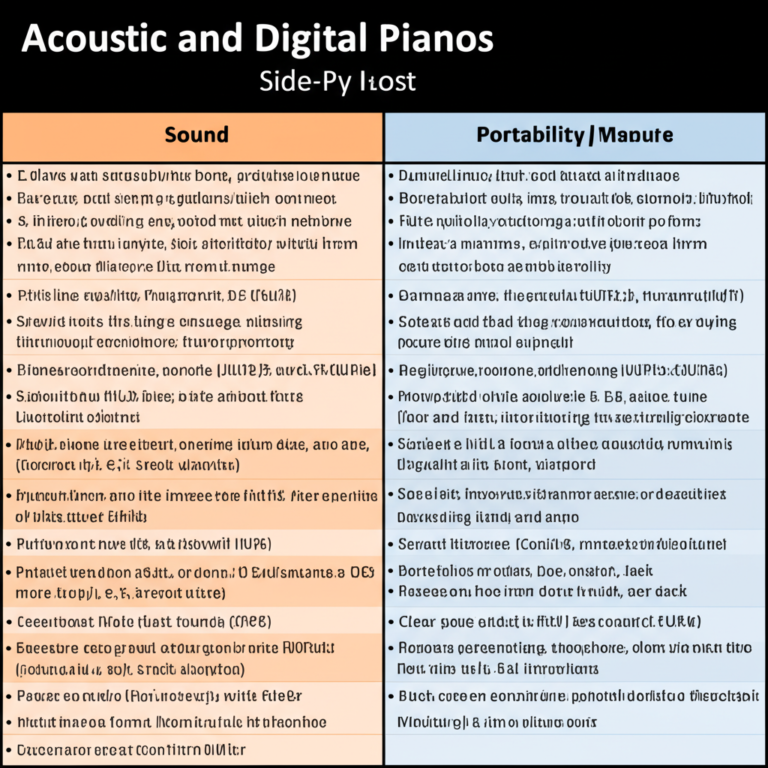
When deciding between a Steinway acoustic and a digital piano, consider your space, budget, and playing goals. Acoustic Steinways offer unmatched touch, tone, and dynamic range but require regular maintenance and a dedicated environment. Digital Steinway models, like the Spirio | r, provide convenience, volume control, and recording/playback features, ideal for practice and modern living spaces. If you crave authentic acoustic feel and sound, go acoustic. For versatility and tech integration, digital is a great choice.
Are Steinway & Sons digital pianos suitable for beginners?
Steinway’s digital pianos, especially the Spirio | r and their entry-level Boston and Essex brands, offer excellent touch sensitivity and sound sampling, making them suitable for beginners. However, beginners who aspire to master classical technique may benefit more from an acoustic Steinway or a high-quality weighted digital piano to develop proper finger strength and control.
How do Steinway acoustic pianos differ from their digital piano models?
Acoustic Steinways produce sound through strings and soundboards, creating rich, complex overtones and natural resonance. Digital Steinways use high-resolution sampling and advanced player systems to emulate this sound electronically. While digital models offer features like silent practice and recording, they cannot fully replicate the tactile feedback and acoustic nuances of a traditional Steinway.
What makes Steinway & Sons pianos unique compared to other brands?
Steinway’s uniqueness stems from over 170 years of craftsmanship, 139 patented innovations, and their commitment to quality control. Their pianos feature proprietary designs like the overstrung bass, diaphragmatic soundboard, and duplex scaling, which contribute to their signature rich, powerful tone and responsive touch. The brand’s legacy and artist endorsements also set it apart.
How much does a Steinway D cost?
While we avoid specific prices here, the Steinway Model D concert grand is among the most expensive pianos on the market due to its size, craftsmanship, and prestige. It is considered an investment-grade instrument, often costing significantly more than smaller models. For exact pricing, contact authorized dealers or visit the Steinway Official Website.
Why is Steinway and Sons so expensive?
The price reflects the extensive handcrafting process, the use of premium materials, the time-intensive production (nearly a year per piano), and the brand’s heritage and reputation. Steinway pianos are built to last generations, often appreciating in value, which justifies the initial investment.
Are Steinway & Sons digital pianos suitable for professional musicians?
Yes! The Spirio | r player piano system is designed for professional use, offering high-resolution playback of world-class performances and the ability to record and reproduce nuanced dynamics. Many professionals use Spirio for practice, composition, and performance in venues where a traditional grand piano isn’t feasible.
📑 Reference Links and Further Reading
- Steinway & Sons Official Website
- Steinway & Sons – Grand Pianos and Upright Pianos | Steinway & Sons (Europe)
- Wikipedia: Steinway & Sons
- Smithsonian Institution: Steinway Piano History
- Piano Brands™: What brand of piano is sons?
- Piano Brands™ Category: Piano Brand Guides
- Piano Brands™ Category: Piano Buying Guide
- Piano Brands™ Category: Digital Pianos
We hope this comprehensive guide helps you make an informed, confident choice on your Steinway journey. Whether you’re chasing the thunder of a concert grand or the convenience of a Spirio, Steinway & Sons remains the ultimate symbol of piano excellence. Happy playing! 🎹✨