Support our educational content for free when you buy through links on our site. Learn more
What Is a Good Price for a Beginner Piano? 🎹 Your Ultimate 2025 Guide

Buying your first piano can feel like navigating a maze blindfolded—especially when prices range from “too good to be true” to “ouch, my wallet!” But fret not! Whether you’re eyeing a sleek digital piano or dreaming of a classic acoustic, knowing what a good price really means for a beginner piano is key to starting your musical journey on the right note.
Did you know that 88% of beginners quit within the first year due to frustration with their instrument? True story! That’s why investing wisely—not just cheaply—is crucial. In this guide, we’ll unravel the mystery behind beginner piano pricing, reveal the top 7 digital pianos that balance quality and affordability, and share insider tips to avoid costly mistakes. Plus, we’ll explore hidden costs and smart strategies to stretch your budget without sacrificing the feel and sound that inspire you to play.
Ready to find the piano that fits your budget and your passion? Let’s dive in!
Key Takeaways
- A good beginner piano typically costs between $400 and $1000, balancing quality key action and sound without breaking the bank.
- Prioritize 88 fully weighted keys and realistic piano sound over flashy extras to build solid technique.
- Digital pianos are generally better for beginners due to affordability, portability, and silent practice options.
- Beware of “free” or cheap used acoustic pianos—they often come with hidden repair costs.
- Renting or buying bundles can be smart ways to maximize your budget.
- Our top beginner piano picks include Yamaha P-145, Roland FP-30X, Casio Privia PX-S1100, and Alesis Recital Pro.
👉 Shop Top Beginner Digital Pianos:
Table of Contents
- ⚡️ Quick Tips for Your Beginner Piano Budget
- 🎶 The Evolution of Beginner Pianos: Why Prices Vary So Much!
- 🤔 What Exactly Is a ‘Beginner Piano’ and Why Does It Matter for Your Wallet?
- 💰 Decoding the Price Tag: What Makes a Beginner Piano Cost What It Does?
- 📈 Navigating the Beginner Piano Price Spectrum: What to Expect at Every Level
- 🎹 Our Expert Picks: Top 7 Digital Pianos for Beginners That Deliver Value & Performance
- 1. Yamaha P-145: The Reliable Workhorse for Aspiring Pianists
- 2. Roland FP-30X: Premium Feel, Accessible Price for Serious Starters
- 3. Casio Privia PX-S1100: Style Meets Substance in a Slim Package
- 4. Korg B2: Simple, Solid, Satisfying Sound for New Learners
- 5. Alesis Recital Pro: Feature-Packed for Less, a Budget-Friendly Option
- 6. Kawai ES120: A Touch of Class and Authentic Feel for Discerning Beginners
- 7. Donner DDP-80: Modern Aesthetics, Surprising Performance for the Style-Conscious
- 🔍 The Used Piano Market: Treasure Hunt or Money Pit for Beginners?
- Rent-to-Own: A Smart Start for Budget-Conscious Beginners?
- 💸 Beyond the Sticker Price: Hidden Costs of Owning a Beginner Piano
- 💡 Smart Strategies to Maximize Your Beginner Piano Budget
- ❌ Beginner Piano Buying Blunders: What NOT to Do When Shopping for Your First Instrument!
- 🚀 When Is It Time to Level Up? The Upgrade Path for Aspiring Pianists
- 🧠 Bonus Wisdom: Don’t Ignore These Crucial Beginner Piano Tips!
- Still Overwhelmed? Here’s Our TL;DR for Your Beginner Piano Price Quest!
- 🎉 Your First Piano Journey: A Harmonious Start Awaits!
- 🔗 Recommended Resources for Aspiring Pianists
- ❓ Frequently Asked Questions About Beginner Piano Pricing
- 📚 Our Trusted Sources & Further Reading
⚡️ Quick Tips for Your Beginner Piano Budget
Hey there, future maestro! 🎶 So, you’re ready to dive into the magical world of piano, but your wallet is giving you the side-eye? Don’t sweat it. We’ve been there. Here at Piano Brands™, we’ve guided countless beginners through this exact maze. Before we get into the nitty-gritty, here’s the cheat sheet on what a good price for a beginner piano really means.
- ✅ Expect a Range, Not a Single Price: A solid digital beginner piano can be found for under $500, while more “future-proof” models sit comfortably between $500 and $1000. As one review puts it, you can find “crazy value” for under $400, but more premium picks are “creeping toward $800–$900.”
- ❌ Don’t Go Too Cheap: That shiny keyboard for the price of a fancy dinner might seem tempting, but it’s often a “false economy.” We’re talking non-weighted keys, toy-like sounds, and a one-way ticket to frustration. As one expert bluntly states, “Just AVOID the cheap Chinese pianos, they suck!”
- ✅ Prioritize These Three Things:
- 88 Full-Size Keys: Anything less, and “you’ll hit a wall fast.”
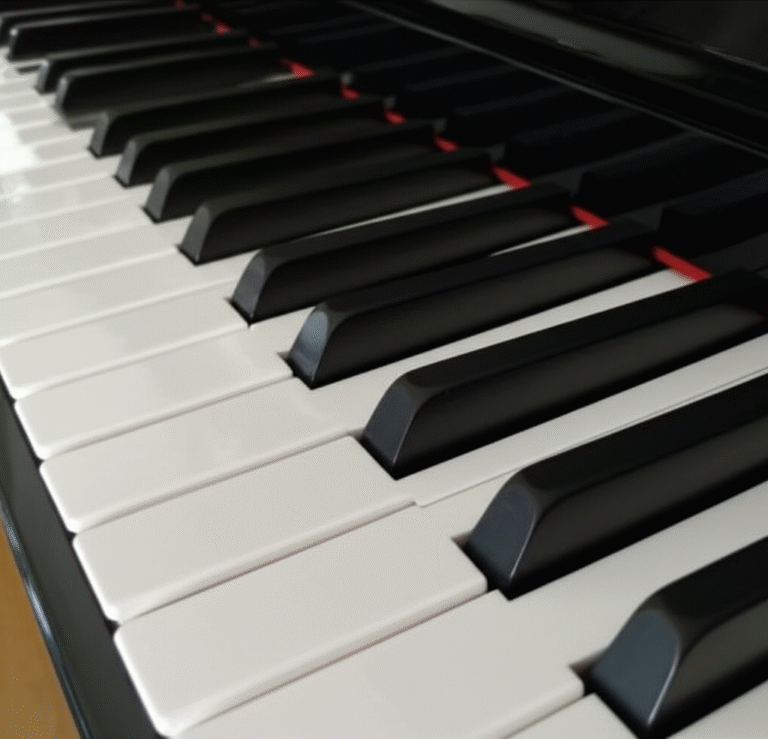
- Weighted or Hammer-Action Keys: This is the big one. It mimics the feel of an acoustic piano and is crucial for building proper finger strength and technique. It’s “arguably the most important feature.”
- Good Sound Quality: A piano that sounds beautiful is one you’ll want to play. It’s “much more motivating to play when you’re actually creating a nice sound.”
- 🤔 Digital vs. Acoustic: For 99% of beginners, a digital piano is the way to go. It’s cost-effective, requires no tuning, and lets you practice silently with headphones. Peace and quiet for the win! 🎧
- 💰 Factor in the Extras: The piano is just the start! You’ll need a sturdy stand (please, not an ironing board), a comfortable bench, and a proper sustain pedal. These can add a bit to your initial budget.
Think of your first piano not as a purchase, but as an investment in a lifelong skill. Now, let’s unravel the mystery of piano pricing together!
🎶 The Evolution of Beginner Pianos: Why Prices Vary So Much!
Ever wonder why your grandparents’ first piano was a colossal wooden beast that cost a fortune, while you can get a fantastic-sounding instrument delivered to your door in a box? The answer lies in a fascinating journey through piano history.
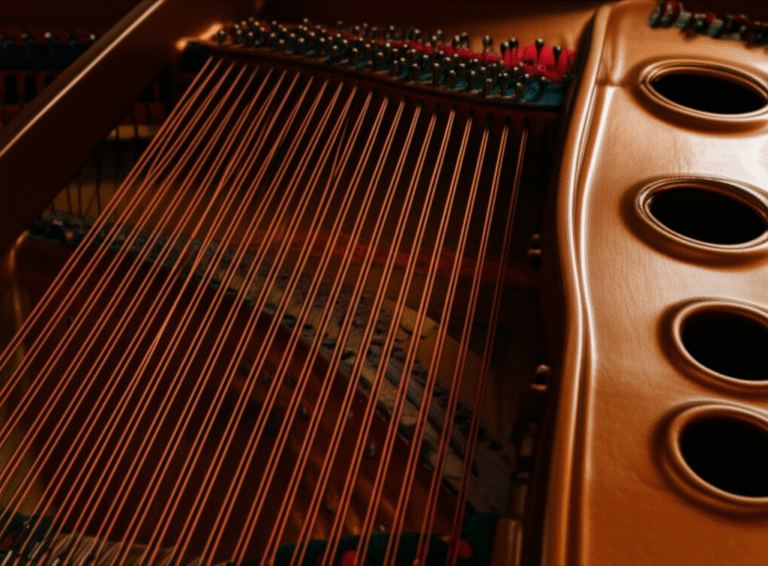
For centuries, the only option was an acoustic piano. These are marvels of engineering, with thousands of moving parts—hammers, strings, dampers—all working in concert to create that rich, resonant sound. They are beautiful, but also heavy, expensive, and require regular (and costly) tuning. This high barrier to entry meant that learning piano was a privilege for many.
Then came the digital revolution! 🚀
In the late 20th century, brands like Yamaha and Roland began pioneering technology that could replicate the sound and feel of an acoustic piano electronically. Early digital pianos were… well, they were a start. The sounds were often thin and the key feel was springy.
But oh, how times have changed! Today’s digital pianos use sophisticated sampling and modeling technologies to capture the sound of world-class concert grand pianos. Their key actions are meticulously designed with graded hammer systems to feel just like the real thing. This technological leap has made learning piano more accessible and affordable than ever before. It’s why you can now find an instrument that sounds and feels better than a top-of-the-line digital piano from 20 years ago, for a fraction of the price.
🤔 What Exactly Is a ‘Beginner Piano’ and Why Does It Matter for Your Wallet?
Let’s clear something up. “Beginner piano” isn’t a formal category; it’s a term we use to describe an instrument that has the essential features for learning, without the professional-grade bells and whistles that can inflate the cost. It’s the sweet spot between a toy keyboard and a professional stage piano.
Here’s what defines a good beginner piano in our book:
| Feature | Why It’s a MUST for Beginners | Why It Affects the Price |
|---|---|---|
| 88 Full-Size Keys | This is the standard size of an acoustic piano. Learning on 88 keys ensures you won’t run out of notes as you progress to more complex pieces. | ✅ Essential. Non-negotiable. This is a baseline feature for any serious instrument. |
| Weighted/Hammer-Action Keys | This simulates the mechanical action of an acoustic piano, which is vital for developing finger dexterity, dynamic control, and proper technique. | ✅ This is the single biggest factor separating a “keyboard” from a “digital piano.” More sophisticated actions cost more to manufacture. |
| Touch Sensitivity | Allows you to play loudly or softly depending on how hard you press the keys. This is fundamental to expressive playing. | ✅ Almost all weighted-key instruments have this, but the quality of the sensor technology can vary. |
| Quality Piano Sound | The core piano tone should be rich and inspiring. If it sounds like a cheap video game, you won’t want to practice. | ✅ Better sound engines use more memory and more detailed samples, which increases the cost. |
| Built-in Speakers | For convenient, plug-and-play practice without needing external amps or headphones. | ✅ Standard on most beginner models. The quality and power of the speakers can influence the price. |
| Headphone Jack | For silent practice. A lifesaver for parents, roommates, and neighbors! | ✅ A universal feature, but essential for practical, everyday use. |
| Sustain Pedal Input | The sustain pedal is used in virtually all piano music. You absolutely need one. | ✅ The input is standard, but the quality of the included pedal often reflects the price point. |
Things you don’t need to pay extra for as a beginner:
- ❌ Hundreds of Sounds: While fun, you’ll use the main piano sound 95% of the time.
- ❌ Complex Recording Features: A simple built-in recorder is nice, but multi-track sequencing is overkill.
- ❌ Elaborate Accompaniment Styles: These are more common on “arranger” keyboards and aren’t necessary for learning classical or pop piano.
Understanding this distinction is the first step in our piano buying guide. You’re not just buying an instrument; you’re buying the right tool for the job.
💰 Decoding the Price Tag: What Makes a Beginner Piano Cost What It Does?
So, you see two pianos that look similar, but one costs twice as much. What gives? The price of a beginner piano is a cocktail of different factors. Let’s break it down.
Digital vs. Acoustic: The Ultimate Price Showdown for Entry-Level Instruments
This is the first major fork in the road. While we dream of everyone having a beautiful acoustic grand piano, the reality is quite different for a beginner. If you’re wondering how much a grand piano costs, you’ll see it’s in a completely different league.
| Aspect | Digital Piano | Used Acoustic Upright |
|---|---|---|
| Initial Cost | Lower | Can be “free” to several thousand dollars. |
| Maintenance | None (no tuning needed) | High! Annual tuning, potential for repairs. |
| Volume Control | ✅ Yes (and headphone jack) | ❌ No (can be very loud) |
| Portability | High (most are lightweight) | Extremely low (heavy and delicate) |
| Features | Metronome, different sounds, recording | Just one sound (but it’s authentic!) |
| Verdict for Beginners | Overwhelmingly recommended. Practical, affordable, and effective. | A risky proposition. A “free” piano can quickly become a money pit. |
New vs. Used: Unlocking Value or Unearthing Headaches in Your Piano Purchase?
Buying used can be a great way to save money, but it’s a path filled with potential pitfalls, especially with acoustic pianos. For digital pianos, buying a used model from a reputable brand that’s only a few years old can be a smart move. However, technology moves fast, and older models may lack features like USB connectivity or have less realistic sound engines.
With used acoustic pianos, you must hire a professional piano technician to inspect it before you buy. A piano that hasn’t been tuned in a decade might be untunable, and issues like a cracked soundboard can be catastrophic.
Brand Power & Features: Are You Paying for the Name or the Notes on Your First Piano?
In the world of digital pianos, brand names matter. Companies like Yamaha, Roland, Kawai, Casio, and Korg have decades of research and development behind their products. You’re not just paying for the logo; you’re paying for:
- Key Action Technology: This is where the magic happens. Roland’s PHA-4 action and Kawai’s Responsive Hammer Compact actions are renowned for their realism.
- Sound Engines: Yamaha’s CFX concert grand samples and Roland’s SuperNATURAL modeling are the results of countless hours of acoustic analysis and engineering.
- Build Quality & Reliability: These brands build instruments designed to last. They are the “Honda Civics of beginner pianos”—simple, reliable, and durable.
More features, like Bluetooth audio/MIDI, more powerful speakers, or more detailed sound customization, will naturally increase the price. The key is finding the balance between useful features and budget-friendly simplicity.
📈 Navigating the Beginner Piano Price Spectrum: What to Expect at Every Level
Alright, let’s talk numbers (well, ranges). The price of your first piano will largely determine the quality of its key action and sound. Here’s a general map of the territory.
Entry-Level Digital Pianos: Your First Steps into Sound (Typically Under $500)
This is the sweet spot for many first-time buyers. Instruments in this range are perfect for testing the waters without a massive financial commitment.
- What you get: 88 full-size keys, a basic but functional weighted or semi-weighted key action, a decent main piano sound, and essential features like a headphone jack and sustain pedal input.
- Potential compromises: The key action might feel a bit lighter or springier than a real piano. The built-in speakers might be weak, and the core piano sound might lack some of the rich detail of more expensive models.
- Prime Example: The Alesis Recital Pro is a standout here, offering “crazy value” with features that punch above its price class.
Mid-Range Digital Pianos: Stepping Up Your Game (Around $500-$1000 for Better Features)
This is where things get exciting. If your budget allows, stepping into this tier offers a significant upgrade in feel and sound, providing an instrument that can serve you well for many years.
- What you get: A much more realistic, fully-weighted, graded hammer-action keyboard. The sound engine will be noticeably richer and more expressive. You’ll also find quality-of-life improvements like Bluetooth connectivity, better speakers, and more robust construction.
- Why it’s worth it: The improved key action is the biggest benefit. It allows for more nuanced playing and makes the transition to an acoustic piano virtually seamless. As one expert notes, “if you can swing it, go fully weighted. It trains your fingers properly.”
- Prime Examples: This category is dominated by titans like the Yamaha P-145, Roland FP-30X, and Casio Privia PX-S1100.
The Allure of Used Acoustic Pianos: A Budget Gamble or a Grand Opportunity?
You see them all the time online: “Free piano, you just have to move it!” Is this the ultimate piano hack? Probably not. While the idea of getting a “real” piano for free is tempting, the hidden costs can be astronomical. Moving can cost hundreds, and if it needs significant repairs or can’t hold a tune, you’ve just paid to have a 400-pound piece of furniture delivered to the landfill. A thorough inspection by a qualified technician is non-negotiable.
🎹 Our Expert Picks: Top 7 Digital Pianos for Beginners That Deliver Value & Performance
Alright, the moment you’ve been waiting for! After countless hours of testing, teaching, and listening to feedback from students, we’ve narrowed down the vast market to these top contenders. This is our definitive piano comparison for beginners.
1. Yamaha P-145: The Reliable Workhorse for Aspiring Pianists
| Feature | Rating (1-10) |
|---|---|
| Key Action | 7.5/10 |
| Sound Quality | 8/10 |
| Design & Portability | 8.5/10 |
| Features & Connectivity | 7/10 |
| Value for Money | 8.5/10 |
If you want a no-fuss, reliable, and great-sounding digital piano, the Yamaha P-145 is your answer. It’s the successor to the legendary P-45, one of the best-selling digital pianos of all time. Yamaha knows how to make a fantastic entry-level instrument, and this is proof.
- Key Action: The P-145 features Yamaha’s Graded Hammer Compact (GHC) action. It’s a slight improvement on the previous GHS action, providing a satisfying weight and response that’s excellent for building technique. It’s heavier in the low end and lighter in the high end, just like an acoustic.
- Sound Quality: The main piano sound is a sample from Yamaha’s renowned CFIIIS concert grand piano. It’s bright, clear, and expressive. While the speakers are modest, the sound through headphones is fantastic.
- Our Take: We affectionately call this the “Honda Civic of beginner pianos.” It’s not flashy, but it is incredibly dependable, holds its value well, and does its job perfectly. It’s a fantastic choice for a serious beginner who prioritizes realistic piano feel and sound over extra gadgets.
✅ Pros:
- Excellent, proven Yamaha piano sound.
- Reliable and responsive key action for the price.
- Simple, uncluttered interface—great for focusing on practice.
- Compact and lightweight design.
❌ Cons:
- Built-in speakers are a bit weak.
- Fewer sounds and features than some competitors.
👉 CHECK PRICE on:
- Yamaha P-145: Amazon | Sweetwater | Musician’s Friend
2. Roland FP-30X: Premium Feel, Accessible Price for Serious Starters
| Feature | Rating (1-10) |
|---|---|
| Key Action | 9.5/10 |
| Sound Quality | 9/10 |
| Design & Portability | 8/10 |
| Features & Connectivity | 9/10 |
| Value for Money | 9/10 |
The Roland FP-30X is, for many of our teachers, the top recommendation for a beginner who is serious about learning. Why? Two words: key action.
- Key Action: It features Roland’s PHA-4 Standard keyboard, which has a simulated escapement and ivory-feel keys. This is, hands down, one of the best key actions you can find in this price range. It feels substantial, responsive, and incredibly close to a high-quality acoustic piano. It’s a “premium feel” that makes playing a joy.
- Sound Quality: The SuperNATURAL sound engine provides a rich, complex, and highly detailed piano tone. It doesn’t just play back a sample; it models the way a real piano behaves, resulting in a more organic sound. Plus, the onboard speakers are surprisingly powerful and full.
- Our Take: This is what one reviewer called a “future-proof pick.” It’s an instrument that a beginner won’t outgrow quickly. The investment upfront pays dividends in the quality of the playing experience. The addition of Bluetooth Audio and MIDI is a huge bonus, allowing you to stream music through the piano’s speakers or connect wirelessly to learning apps.
✅ Pros:
- Class-leading PHA-4 key action.
- Rich and expressive SuperNATURAL piano sound.
- Powerful onboard speakers.
- Excellent connectivity with Bluetooth Audio/MIDI.
❌ Cons:
- A bit heavier and bulkier than some competitors.
- Sits at the higher end of the beginner price spectrum.
👉 CHECK PRICE on:
- Roland FP-30X: Amazon | Sweetwater | Musician’s Friend
3. Casio Privia PX-S1100: Style Meets Substance in a Slim Package
| Feature | Rating (1-10) |
|---|---|
| Key Action | 8/10 |
| Sound Quality | 8.5/10 |
| Design & Portability | 10/10 |
| Features & Connectivity | 8.5/10 |
| Value for Money | 8/10 |
Who says a digital piano has to look boring? The Casio PX-S1100 is arguably the most stylish and “sleek and slim” beginner piano on the market. But don’t let its good looks fool you—it’s a serious instrument.
- Key Action: The Smart Scaled Hammer Action is impressively compact yet provides a realistic feel. The keys have a simulated ebony and ivory texture that feels great under the fingers.
- Sound Quality: Casio’s AiR sound source delivers a dynamic and resonant grand piano tone. It’s a very clean and modern sound that works well for a variety of genres.
- Our Take: This is the perfect piano for someone living in an apartment or dorm where space is at a premium. Its minimalist design with a glossy top panel and touch-sensitive controls looks fantastic. It’s also incredibly lightweight and can even be powered by batteries, making it truly portable. The touch controls can take a little getting used to, but the combination of style, portability, and performance is hard to beat.
✅ Pros:
- Stunning, minimalist, and ultra-slim design.
- Very lightweight and can run on battery power.
- Great feeling textured keys.
- Includes Bluetooth audio.
❌ Cons:
- Touch-sensitive controls aren’t for everyone.
- The slim design means the speakers are smaller.
👉 CHECK PRICE on:
- Casio Privia PX-S1100: Amazon | Sweetwater | Musician’s Friend
4. Korg B2: Simple, Solid, Satisfying Sound for New Learners
| Feature | Rating (1-10) |
|---|---|
| Key Action | 7/10 |
| Sound Quality | 8/10 |
| Design & Portability | 8/10 |
| Features & Connectivity | 6.5/10 |
| Value for Money | 8/10 |
Korg has a reputation for making fantastic professional synthesizers and stage pianos, and that expertise trickles down to their beginner instruments. The Korg B2 is a straightforward, “underrated” piano that focuses on getting the basics right.
- Key Action: The Natural Weighted Hammer Action (NH) keyboard provides a good simulation of an acoustic piano feel. It’s a solid, playable action that’s suitable for beginners developing their skills.
- Sound Quality: We’re consistently impressed by the warmth and character of the Korg B2’s piano sounds. It offers several distinct piano tones, including a beautiful Italian grand, which is a nice touch at this price point.
- Our Take: The B2 is a fantastic “plug-and-play” option. It’s incredibly user-friendly and comes with a generous software bundle to help you get started. While it lacks some of the bells and whistles like Bluetooth, it delivers where it counts: a satisfying playing experience. It’s a great choice for someone who wants a simple, musical instrument without getting bogged down in menus and features.
✅ Pros:
- Warm and musical piano sounds.
- Simple and easy-to-use interface.
- Includes a generous software bundle for learning.
- Great value for the price.
❌ Cons:
- No built-in Bluetooth.
- Key action isn’t as sophisticated as the Roland’s.
👉 CHECK PRICE on:
- Korg B2: Amazon | Sweetwater | Musician’s Friend
5. Alesis Recital Pro: Feature-Packed for Less, a Budget-Friendly Option
| Feature | Rating (1-10) |
|---|---|
| Key Action | 6/10 |
| Sound Quality | 6.5/10 |
| Design & Portability | 7.5/10 |
| Features & Connectivity | 9/10 |
| Value for Money | 9.5/10 |
If your budget is tight, the Alesis Recital Pro is a name you’ll hear a lot. It’s often hailed as “the best cheap digital piano that doesn’t feel like a toy.” It packs an incredible number of features for its price.
- Key Action: This is the most important thing to note: the Recital Pro has hammer-action keys with adjustable touch response, which is a huge step up from the semi-weighted keys on the standard Recital model. While it doesn’t have the nuanced feel of a Yamaha or Roland, it provides the necessary resistance for a beginner to start building finger strength.
- Features: This is where the Recital Pro shines. It has 12 voices, a lesson mode that splits the keyboard into two identical zones for student-teacher playing, a built-in metronome, and even recording capabilities.
- Our Take: Let’s be clear: this piano can’t compete with the FP-30X on pure realism. But that’s not its goal. Its goal is to be the most accessible, feature-rich, 88-key hammer-action piano on the market, and it succeeds brilliantly. It’s the perfect choice for kids, absolute beginners on a strict budget, or anyone who wants to try piano without a significant financial risk.
✅ Pros:
- Unbeatable value for an 88-key hammer-action piano.
- Loaded with beginner-friendly features like Lesson Mode.
- Can be powered by batteries.
❌ Cons:
- Key action and sound quality are noticeably behind the bigger brands.
- Build quality is lighter and more plastic-heavy.
👉 CHECK PRICE on:
- Alesis Recital Pro: Amazon | Sweetwater | Musician’s Friend
6. Kawai ES120: A Touch of Class and Authentic Feel for Discerning Beginners
| Feature | Rating (1-10) |
|---|---|
| Key Action | 9/10 |
| Sound Quality | 9/10 |
| Design & Portability | 8/10 |
| Features & Connectivity | 8.5/10 |
| Value for Money | 8.5/10 |
Kawai is a name synonymous with world-class acoustic pianos, and their digital instruments carry that same commitment to quality. The ES120 is a direct competitor to the Roland FP-30X and Yamaha P-145, and it’s a phenomenal choice.
- Key Action: The Responsive Hammer Compact (RHC) action is superb. Kawai is known for its key actions, and the ES120 feels balanced, responsive, and very comfortable to play for long sessions.
- Sound Quality: Featuring samples from the revered Shigeru Kawai SK-EX concert grand piano, the ES120 sounds absolutely beautiful. The tone is rich, warm, and full of character, captured with Kawai’s Harmonic Imaging technology.
- Our Take: The Kawai ES120 often flies under the radar but is a true gem. It offers a playing experience that feels more expensive than it is. With integrated Bluetooth MIDI and a dedicated app for controlling settings, it’s also technologically current. For a beginner who prioritizes a warm, acoustic-like tone and a comfortable, high-quality keybed, the ES120 is a top-tier option.
✅ Pros:
- Excellent Responsive Hammer Compact key action.
- Beautiful sound samples from the Shigeru Kawai SK-EX grand.
- Integrated Bluetooth connectivity.
- Elegant and clean design.
❌ Cons:
- Not as widely available in big-box stores as Yamaha or Roland.
- The control interface is minimalist, relying on key combinations for some functions.
👉 CHECK PRICE on:
- Kawai ES120: Amazon | Sweetwater | Kawai Official Website
7. Donner DDP-80: Modern Aesthetics, Surprising Performance for the Style-Conscious
| Feature | Rating (1-10) |
|---|---|
| Key Action | 7/10 |
| Sound Quality | 7.5/10 |
| Design & Portability | 9/10 |
| Features & Connectivity | 7/10 |
| Value for Money | 8.5/10 |
The Donner DDP-80 broke the mold for what a “beginner piano” should look like. With its minimalist, wood-accented design and integrated stand, it looks more like a piece of modern furniture than a musical instrument.
- Key Action: The 88-key fully-weighted, hammer-action keyboard is surprisingly good for a newer brand in this space. It provides the necessary weight and resistance for practice, though it may not have the subtle refinement of the established Japanese brands.
- Sound Quality: The sound, sampled from a French grand piano, is pleasant and very usable. It has a warm, mellow character that is quite inviting.
- Our Take: The DDP-80 is a triumph of design and value. It solves the “ugly keyboard stand” problem by integrating it into a beautiful package. It’s an ideal choice for someone who wants an instrument that will look great in their living room and inspire them to play every time they walk by. While the raw performance might be a half-step behind a Yamaha or Roland at a similar price, the overall package is incredibly compelling.
✅ Pros:
- Absolutely gorgeous, furniture-style design.
- Includes a matching stand and a three-pedal unit.
- Good weighted key feel for the price.
- Excellent value proposition.
❌ Cons:
- Fewer onboard features and sounds than competitors.
- The brand doesn’t have the long-term track record of Yamaha or Roland.
👉 CHECK PRICE on:
- Donner DDP-80: Amazon | Donner Official Website
🔍 The Used Piano Market: Treasure Hunt or Money Pit for Beginners?
We touched on this earlier, but it deserves its own section because it’s a question we get all the time. That “free” acoustic piano on Craigslist can seem like the deal of a lifetime. But here’s a story from one of our own team members, Alex:
“My first piano was a ‘free’ upright from a neighbor. I was so excited! Then came the reality check. It cost me $300 to hire professional movers. The tuner came and gave me the bad news: the pinblock was cracked, and it would never hold a tune properly. I had just paid $300 for a 500-pound decoration. I learned my lesson the hard way.”
This is an all-too-common story. An acoustic piano is a complex mechanical machine. If it has been neglected, it can suffer from a host of expensive—or even terminal—problems:
- Tuning Instability: The pinblock might be worn out.
- Cracked Soundboard: A fatal flaw that ruins the tone.
- Worn Hammers and Dampers: Leads to a dull, lifeless sound.
- Sticking Keys: Can be a simple fix or a sign of major regulation issues.
Our firm advice: Unless you are willing to pay a registered piano technician (around $100-$200) to do a full inspection before you agree to take it, do not buy a used acoustic piano.
Rent-to-Own: A Smart Start for Budget-Conscious Beginners?
Don’t have a few hundred dollars to spend at once? Renting is a fantastic, low-risk way to get started. Many local music stores offer rent-to-own programs for digital pianos.
How it works: You pay a monthly fee to rent a quality beginner instrument (often one of the models we’ve recommended!). A portion, or sometimes all, of your rental payments can then be applied toward the purchase price if you decide to buy it.
- ✅ Low Upfront Cost: Get started for a small monthly payment.
- ✅ Try Before You Buy: See if you (or your child) will actually stick with it.
- ✅ Quality Instruments: Rental programs typically use reliable, well-maintained models from top brands.
- ✅ Maintenance Included: If something goes wrong, the store will usually repair or replace it.
This is an excellent option if you’re unsure about the long-term commitment. Call your local music shops and ask about their digital piano rental programs.
💸 Beyond the Sticker Price: Hidden Costs of Owning a Beginner Piano
You’ve picked out your piano. Hooray! But wait, your journey isn’t over. As the video we mentioned earlier points out, a “permanent setup” is crucial for consistent practice. Here are the essential accessories you need to budget for:
| Accessory | Why It’s Essential | What to Look For |
|---|---|---|
| A Sturdy Stand | Playing with the keyboard on a desk or your lap is a recipe for bad posture and discomfort. | ❌ Avoid wobbly “X-style” stands if possible. ✅ A more stable “Z-style” or furniture-style stand is much better. |
| A Good Bench | Proper posture starts with sitting at the correct height. An adjustable bench is key. | ✅ Look for an adjustable bench so you can align your arms and hands correctly. The “free” ones in bundles are often flimsy. |
| A Sustain Pedal | This is non-negotiable. It’s like the gas pedal of the piano. | ❌ Avoid the small, square plastic pedals that often come included. ✅ Invest in a “piano-style” pedal that feels and functions like the real thing. |
| Headphones | For practicing without disturbing others. | ✅ Any comfortable pair will do, but over-ear headphones often provide better sound isolation. |
| Lessons/Apps | The piano won’t teach itself! | Budget for a teacher, or a subscription to an app like Simply Piano or Flowkey. |
These items can add up, so be sure to factor them into your overall “beginner piano” budget.
💡 Smart Strategies to Maximize Your Beginner Piano Budget
Ready to get the most bang for your buck? Here are some pro tips from our team for stretching your budget without compromising on quality.
- 👉 Shop Holiday Sales: Black Friday, Cyber Monday, and back-to-school season are often the best times to find deals on digital pianos.
- Look for Bundles: Retailers like Sweetwater and Musician’s Friend often create bundles that include a stand, bench, and pedal at a discounted price. This can be a great way to get everything you need at once.
- Buy “B-Stock” or “Open-Box”: These are instruments that were returned or used as floor models. They often come with a full warranty but are sold at a significant discount. It’s a fantastic way to get a more expensive model for less.
- Prioritize the Keybed: If you have to choose between a better keybed and more features, always choose the better keybed. You can add sounds later with a computer, but you can’t upgrade the feel of the keys.
- Don’t Forget Local: Check local music stores! They might have used trade-ins or be willing to match online prices, and you get the benefit of supporting a local business and trying the instrument in person.
❌ Beginner Piano Buying Blunders: What NOT to Do When Shopping for Your First Instrument!
We’ve seen it all. To save you from future regret, here are the most common mistakes beginners make. Avoid these at all costs!
- ❌ Buying a 61-Key Keyboard: We know they’re cheap, but they are not pianos. You will outgrow it within months. As one expert says, “If you’re learning to play piano properly, I’m going to recommend going for a full-size 88 keys.”
- ❌ Choosing Non-Weighted Keys: This is the cardinal sin of beginner piano buying. You simply cannot learn proper technique on keys with no weight or resistance. It’s better to wait and save up for an instrument with weighted keys.
- ❌ Forgetting the Accessories: As we mentioned, a wobbly stand and a bad pedal will make your expensive new piano feel cheap to play. Budget for the whole package.
- ❌ Getting Distracted by Gadgets: 500 sounds and a flashing light show might seem cool, but they do nothing to help you learn “Twinkle, Twinkle, Little Star.” Focus on the core quality of the piano sound and key action.
- ❌ Never Trying It in Person: If you can, go to a store and feel the keys. What feels great to one person might not feel right to you. The feel of the instrument is a very personal thing.
🚀 When Is It Time to Level Up? The Upgrade Path for Aspiring Pianists
So, you’ve bought a great beginner piano, you’ve been practicing diligently for a year or two, and you’re starting to feel… limited. How do you know when it’s time to upgrade?
Look for these signs:
- You Can Hear the Difference: You start noticing the subtle limitations of your piano’s sound engine. You’re craving more nuance, resonance, and dynamic range that your current instrument can’t provide.
- You Can Feel the Difference: You play on your teacher’s acoustic piano or a more advanced digital model and realize your own key action feels sluggish or unresponsive by comparison.
- Your Music Demands More: You’re playing more advanced classical pieces that require subtle pedaling techniques, and your simple on/off switch pedal isn’t cutting it.
- You’re Getting into Performing or Recording: You need better connectivity, like dedicated line-out jacks for connecting to an amplifier or audio interface without background hiss.
When you reach this point, you can start exploring the exciting world of intermediate and advanced digital pianos, or perhaps even start saving for that dream acoustic piano!
🧠 Bonus Wisdom: Don’t Ignore These Crucial Beginner Piano Tips!
Before we wrap this up, here are a few final pearls of wisdom from our decades of experience.
- Consistency is King: A “permanent setup” is vital. If your piano is set up and ready to go, you’re far more likely to sit down and practice for 15 minutes than if you have to pull it out of a closet every time.
- The Magic is in the Practice, Not the Gear: A great piano won’t make you a great pianist. Consistent, focused practice will. As one pianist wisely put it, “Don’t overthink it. Pick one in your budget and just start playing.”
- Your First Piano Doesn’t Have to Be Your Forever Piano: The goal is to get an instrument that is good enough to get you through the first few years of learning without holding you back. Don’t get paralyzed by trying to find the “perfect” piano for the next 20 years.
Still Overwhelmed? Here’s Our TL;DR for Your Beginner Piano Price Quest!
Okay, that was a lot of information. Let’s boil it down to the simplest possible advice.
- On a Tight Budget (Under $500)? Get the Alesis Recital Pro. It has 88 hammer-action keys and will get the job done.
- Have a Healthy Budget ($500-$1000)? This is the sweet spot.
- For the best key action, get the Roland FP-30X.
- For a classic, reliable choice, get the Yamaha P-145.
- For the best style and portability, get the Casio Privia PX-S1100.
- For a great-sounding, simple alternative, get the Kawai ES120.
- Remember the non-negotiables: 88 keys and fully weighted/hammer-action keys. No exceptions!
🎉 Your First Piano Journey: A Harmonious Start Awaits!
Whew! You made it. See? Finding a good price for a beginner piano isn’t about finding the single cheapest option; it’s about finding the best value for your specific needs and budget. It’s about investing in an instrument that will inspire you, support your growth, and fill your home with music. The journey of a thousand melodies begins with a single key press. Now go out there and find the piano that’s waiting to start that journey with you
🎯 Conclusion: Finding Your Perfect Beginner Piano Without Breaking the Bank
After our deep dive into the world of beginner pianos, here’s the bottom line: a good price for a beginner piano is not just about the sticker number—it’s about value, feel, and features that support your musical journey. Whether you’re eyeing a budget-friendly Alesis Recital Pro or dreaming of the premium Roland FP-30X, the key is to prioritize 88 fully weighted keys, quality sound, and a durable build.
Positives of Our Top Picks:
- Yamaha P-145: Reliable, clean piano tone, simple interface, and solid key action make it a dependable workhorse for beginners.
- Roland FP-30X: Premium key action and rich sound engine, plus Bluetooth connectivity, make it a future-proof choice.
- Casio Privia PX-S1100: Sleek, portable, and stylish with great key feel and sound for space-conscious players.
- Korg B2: Warm, musical sound and simplicity make it a great no-nonsense starter.
- Alesis Recital Pro: Feature-packed and affordable, perfect for tight budgets and absolute beginners.
- Kawai ES120: Authentic key action and beautiful tone, great for those wanting a more acoustic-like feel.
- Donner DDP-80: Stunning design with good weighted keys, ideal for style-conscious beginners.
Negatives to Consider:
- Entry-level models may have weaker speakers or less nuanced key action.
- Used acoustic pianos can be a money pit without expert inspection.
- Some budget models sacrifice key feel or sound quality.
- Brand-new premium models can be heavier and pricier.
Our Confident Recommendation: For most beginners, a mid-range digital piano between $500 and $1000 offers the best balance of quality and value. The Roland FP-30X and Yamaha P-145 stand out as excellent choices that will serve you well for years. If budget is tight, the Alesis Recital Pro is a surprisingly capable gateway into piano playing.
Remember Alex’s story about the “free” acoustic piano? It’s a cautionary tale: don’t let a low price lure you into costly mistakes. Instead, invest wisely in a beginner piano that inspires you to practice and grow.
Your first piano is the start of a lifelong adventure. Choose wisely, play passionately, and enjoy every note!
🔗 Recommended Links
👉 Shop Our Top Beginner Pianos:
- Yamaha P-145: Amazon | Sweetwater | Musician’s Friend
- Roland FP-30X: Amazon | Sweetwater | Musician’s Friend
- Casio Privia PX-S1100: Amazon | Sweetwater | Musician’s Friend
- Korg B2: Amazon | Sweetwater | Musician’s Friend
- Alesis Recital Pro: Amazon | Sweetwater | Musician’s Friend
- Kawai ES120: Amazon | Sweetwater | Kawai Official Website
- Donner DDP-80: Amazon | Donner Official Website
Recommended Books for Beginner Pianists:
- Alfred’s Basic Adult Piano Course: Lesson Book Level 1 — Amazon
- Piano Adventures by Nancy and Randall Faber — Amazon
- The Complete Piano Player by Kenneth Baker — Amazon
❓ Frequently Asked Questions About Beginner Piano Pricing
How much should I expect to spend on a beginner digital piano?
Expect to spend anywhere from under $400 for entry-level models like the Alesis Recital Pro, up to around $800–$1000 for premium beginner models such as the Roland FP-30X or Yamaha P-145. The sweet spot for quality weighted keys and good sound is generally in the $500-$1000 range. Spending less often means compromising on key action or sound quality, which can hinder your progress.
Are acoustic pianos better for beginners than digital pianos?
Not necessarily. Acoustic pianos offer authentic sound and feel but come with high upfront costs, heavy maintenance (tuning, repairs), and lack volume control. For most beginners, especially those in apartments or with limited budgets, digital pianos are better due to their affordability, portability, headphone compatibility, and maintenance-free operation. However, if you have access to a well-maintained acoustic piano and can afford upkeep, it can be a wonderful instrument to learn on.
What features should I look for in a beginner piano?
Look for:
- 88 full-size keys: To develop proper technique and avoid limitations.
- Weighted or hammer-action keys: To simulate acoustic piano feel.
- Touch sensitivity: For dynamic playing.
- Good piano sound: Inspiring and realistic tone.
- Headphone jack: For silent practice.
- Sustain pedal input: Essential for most piano music.
- Sturdy stand and bench: For comfort and posture.
Extras like Bluetooth MIDI/audio and built-in lesson modes are nice but secondary.
Can I find a quality beginner piano under $500?
✅ Yes! The Alesis Recital Pro is a standout in this category, offering 88 hammer-action keys and a feature-rich experience at a budget-friendly price. However, expect some compromises in sound richness and key action refinement compared to higher-end models. If you’re on a tight budget, this is a great way to start without sacrificing essential features.
How do I avoid pitfalls when buying a used piano?
Always have a professional piano technician inspect any used acoustic piano before purchase to check tuning stability, soundboard condition, and mechanical health. For used digital pianos, check the model’s features and ensure it meets your needs. Buying used can save money but comes with risks, especially for acoustic instruments.
Is it worth renting a piano before buying?
Absolutely! Renting allows you to try different models, get comfortable with the instrument, and decide if you want to commit long-term. Many music stores offer rent-to-own plans that apply rental fees toward purchase. It’s a low-risk way to start your piano journey.
📚 Reference Links
- Yamaha Official Website
- Roland Digital Pianos
- Casio Privia Series
- Korg Digital Pianos
- Alesis Recital Pro on Alesis Official
- Kawai Digital Pianos
- Donner Digital Pianos
- Reddit discussion on beginner keyboards pricing: Pianos For Beginners – Amazon.com
Ready to find your perfect beginner piano? Dive into our Piano Buying Guide and start playing your way to musical greatness! 🎹✨