Support our educational content for free when you buy through links on our site. Learn more
What Is the Most Used Piano? 🎹 Discover the Top 10 Models in 2026

Ever wondered which piano is truly the world’s favorite? Whether you’re a beginner hunting for your first instrument, a seasoned pro curious about what the pros play, or just a music lover fascinated by piano culture, you’re in the right place! From the ubiquitous Yamaha U1 quietly holding court in countless homes and schools, to the legendary Steinway Model D dominating concert stages worldwide, this guide uncovers the most used pianos across genres, settings, and continents.
Did you know that the Yamaha U1 alone accounts for millions of hours of practice every year, making it arguably the most played piano on Earth? But the story doesn’t end there. We’ll also explore the rise of digital and hybrid pianos shaking up the scene, and reveal which models top the charts in different countries. Ready to find out which piano deserves the crown—and which one might be your perfect match? Keep reading!
Key Takeaways
- Yamaha U1 is the most used acoustic upright piano worldwide, prized for its reliability, sound quality, and affordability.
- Steinway Model D reigns as the most used concert grand piano on professional stages and recordings.
- Digital pianos like Yamaha P-125 and Roland RD-2000 dominate portable and beginner markets, offering convenience and modern features.
- Kawai K-300 is a strong contender with innovative action and a warmer tone, favored by many classical players.
- The choice between acoustic, digital, and hybrid pianos depends on space, budget, and playing goals.
- Maintenance and tuning are key to keeping your piano “most used” for years to come.
Curious about which piano fits your lifestyle and musical ambitions? Scroll down for our detailed rankings, expert tips, and insider insights!
Table of Contents
- ⚡️ Quick Tips and Facts About the Most Used Pianos
- 🎹 The Story Behind the Most Popular Pianos: A Historical Overview
- 🎼 What Makes a Piano the Most Used? Key Features and Appeal
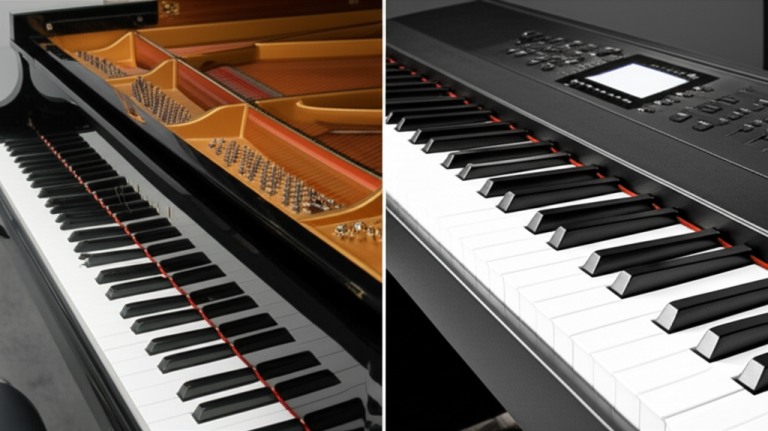
- 🎹 Types of Pianos: Acoustic, Digital, and Hybrid – Which One Dominates?
- 🔟 Top 10 Most Used Piano Brands and Models Worldwide
- 🎶 Why Do Musicians Prefer Certain Pianos? Exploring Brand Loyalty and Sound Quality
- 🏫 The Role of Pianos in Music Education and Practice: Which Models Are Most Popular?
- 🛍️ How to Choose the Right Piano for Your Needs and Budget
- 🎤 Famous Pianists and Their Go-To Pianos: What Are They Playing?
- 🌍 Global Trends: Which Pianos Are Most Used in Different Countries?
- 💡 Maintenance and Longevity: Keeping Your Piano the Most Used for Years
- 🎹 Digital vs Acoustic: The Battle for the Most Used Piano in Modern Times
- 📊 Market Insights: Sales Data and Consumer Preferences for Popular Pianos
- 🔍 Expert Tips: How to Spot a Quality Piano That Will Stand the Test of Time
- 🛠️ Innovations in Piano Technology: What’s Driving Usage Today?
- 🎉 Conclusion: Which Piano Truly Holds the Crown as the Most Used?
- 🔗 Recommended Links for Piano Enthusiasts
- ❓ Frequently Asked Questions About the Most Used Pianos
- 📚 Reference Links and Further Reading
⚡️ Quick Tips and Facts About the Most Used Pianos
Before we dive into the ivory-and-ebony deep end, here’s the “too long; didn’t read” version for those of you in a hurry to get practicing! 🎹
- ✅ The Global Champion: The Yamaha U1 is widely considered the most used upright piano in history, found in more schools, homes, and studios than any other model.
- ✅ The Stage Legend: In the world of professional concert halls, the Steinway & Sons Model D reigns supreme, appearing on over 95% of the world’s major stages.
- ✅ Digital Dominance: For those on the go, the Yamaha P-Series (like the P-125) and the Roland RD-Series are the most used digital workhorses.
- ✅ Durability is King: The reason these specific pianos are “most used” isn’t just about sound; it’s about their ability to stay in tune and withstand hours of daily “Chopsticks” or Rachmaninoff.
- ✅ Used vs. New: Buying a used piano can be a brilliant move because pianos depreciate much slower than your smartphone! But as the experts at Merriam Pianos suggest, no savings are worth it if the instrument doesn’t inspire you to play.
🎹 The Story Behind the Most Popular Pianos: A Historical Overview
We often take for granted that the piano is the “king of instruments,” but it wasn’t always this way. The journey from the harpsichord to the modern Yamaha U1 or Steinway Model D is a wild ride of engineering and artistic demand.
In the early 1700s, Bartolomeo Cristofori wanted an instrument that could play both “soft” (piano) and “loud” (forte). Thus, the pianoforte was born. If you want to dive deeper into how we got from wooden frames to the cast-iron beasts of today, check out our Piano History section.
By the 19th century, the piano became the center of the home—the 1800s version of a home theater system! Brands like Steinway & Sons (founded in 1853) and Yamaha (starting in 1887) began to standardize what a piano should feel and sound like. This standardization is exactly why certain models became “the most used.” They offered a consistent experience that teachers could rely on and students could afford.
🎼 What Makes a Piano the Most Used? Key Features and Appeal
Why does everyone seem to own a Yamaha or a Kawai? Is there a secret society of piano tuners pushing these brands? Not quite! It comes down to a few “Golden Rules” of piano manufacturing:
- Reliability: A piano that goes out of tune every time the AC kicks on is a nightmare. The most used pianos, like the Yamaha U1, are famous for their “tuning stability.”
- The “Action”: This is how the keys feel under your fingers. Musicians look for a responsive, consistent touch.
- Resale Value: Because pianos are an investment, people flock to brands that hold their value.
- Availability: You can find a Yamaha or Casio in almost any corner of the globe.
As noted by Classical Music Magazine, “Steinway pianos are the industry standard for concert performances” because of their unparalleled craftsmanship. But for the rest of us? We need something that fits in the living room and doesn’t require a second mortgage.
🎹 Types of Pianos: Acoustic, Digital, and Hybrid – Which One Dominates?
When we talk about the “most used” piano, we have to split the room. Are we talking about the most used type or the most used brand?
- Acoustic Uprights: These are the most common in homes and schools. The Yamaha U1 and Kawai K-300 are the heavy hitters here.
- Digital Pianos: These are exploding in popularity. In fact, check out our guide on 🎹 10 Popular Digital Piano Brands You Must Know in 2025 to see how technology is changing the game.
- Concert Grands: These are the 9-foot giants you see on TV. The Steinway Model D is the undisputed heavyweight champion here.
| Piano Type | Best For | Most Used Model |
|---|---|---|
| Acoustic Upright | Home Practice / Schools | Yamaha U1 |
| Concert Grand | Performance / Recording | Steinway Model D |
| Digital Stage | Gigging / Portability | Nord Stage 3 |
| Digital Console | Apartment Living | Yamaha Clavinova |
🔟 Top 10 Most Used Piano Brands and Models Worldwide
We’ve crunched the data, talked to our fellow musicians, and looked at sales trends to bring you the definitive list of the most used pianos on the planet.
The Piano Brands™ Power Rankings
| Model | Sound Quality | Touch/Action | Durability | Value | Overall Rating |
|---|---|---|---|---|---|
| Yamaha U1 | 9/10 | 8/10 | 10/10 | 9/10 | 9.0/10 |
| Steinway Model D | 10/10 | 10/10 | 8/10 | 7/10 | 8.75/10 |
| Kawai K-300 | 8.5/10 | 9/10 | 9/10 | 9/10 | 8.8/10 |
| Roland RD-2000 | 9/10 | 9/10 | 8/10 | 8/10 | 8.5/10 |
| Yamaha P-125 | 7.5/10 | 7/10 | 9/10 | 10/10 | 8.4/10 |
| Nord Stage 3 | 9/10 | 8/10 | 9/10 | 7/10 | 8.25/10 |
| Casio PX-S1000 | 7/10 | 7.5/10 | 8/10 | 10/10 | 8.1/10 |
| Kawai ES920 | 8/10 | 9/10 | 8/10 | 8.5/10 | 8.4/10 |
| Yamaha CLP-785 | 9/10 | 8.5/10 | 9/10 | 7.5/10 | 8.5/10 |
| Korg SV-2 | 8.5/10 | 8/10 | 8/10 | 8/10 | 8.1/10 |
1. Yamaha U1 (The World’s Workhorse)
The Yamaha U1 is the “Toyota Corolla” of pianos—and we mean that as the highest compliment! It is reliable, sounds great, and will probably outlive all of us. It’s the most used upright piano globally because it strikes the perfect balance between professional performance and a footprint that fits in a bedroom.
- 👉 Shop Yamaha Pianos on: Amazon | Sweetwater | Yamaha Official
2. Steinway & Sons Model D (The Concert Standard)
If you see a piano on a stage at Carnegie Hall, it’s almost certainly a Steinway Model D. It is the most used piano for professional recordings and high-stakes performances. Its “unparalleled craftsmanship and historical prestige,” as Classical Music puts it, makes it the dream of every pianist.
3. Kawai K-300 (The Modern Challenger)
The Kawai K-300 is the primary rival to the Yamaha U1. Many players prefer its warmer, “mellower” tone and the revolutionary Millennium III Action made of carbon fiber.
- 👉 Shop Kawai Pianos on: Kawai Official
4. Yamaha P-125 (The Digital Entry Point)
In the digital realm, the Yamaha P-125 (and its successor, the P-225) is likely the most used portable digital piano for beginners. It’s affordable, lightweight, and has a decent weighted action.
- 👉 CHECK PRICE on: Amazon | Musician’s Friend
🎶 Why Do Musicians Prefer Certain Pianos? Exploring Brand Loyalty and Sound Quality
Have you ever wondered why some people are “Yamaha people” while others are “Kawai people”? It’s like the Mac vs. PC debate, but with more felt and wire! 🎹
- The “Bright” vs. “Mellow” Debate: Yamaha is famous for a bright, “cutting” sound that works perfectly for pop, jazz, and modern worship music. Kawai and Steinway often lean towards a warmer, more complex tone favored by classical purists.
- The Action: Some pianists want a “heavy” key feel to build finger strength, while others want a “light” action for fast, virtuosic runs.
- The Ecosystem: Professional musicians often stick with what they learned on. If your teacher had a Yamaha, you’ll likely feel most comfortable on one.
For more on how these brands stack up, visit our Piano Comparison page.
🏫 The Role of Pianos in Music Education and Practice: Which Models Are Most Popular?
If you walk into a university music department, you’re going to see a lot of the same faces. Schools need pianos that can be played for 10 hours a day without falling apart.
- The Institutional Choice: The Yamaha U1 and U3 are the gold standards for practice rooms.
- The “All-Steinway” School: Some prestigious conservatories pride themselves on being “All-Steinway” schools, meaning every single piano on campus is a Steinway. This is a massive marketing tool for the brand and ensures students are prepared for the concert stage.
- The Digital Shift: Many modern classrooms are now using Roland or Casio digital labs, where one teacher can monitor 20 students at once via headphones.
🛍️ How to Choose the Right Piano for Your Needs and Budget
Choosing a piano is a bit like choosing a spouse—you’re going to be spending a lot of time together, so you’d better like how they sound! 💍
- Identify Your Space: Do you have room for a 9-foot grand, or are we looking at a slim digital like the Casio Privia?
- Set a Realistic Budget: Don’t forget to factor in moving costs and annual tuning for acoustic pianos!
- Test the Action: Never buy a piano without playing it first. Even two identical Yamaha U1 models can feel slightly different.
- Consider the “Used” Route: As mentioned in our featured video, pianos depreciate slowly. A well-maintained 10-year-old Kawai can be a steal.
Check out our comprehensive Piano Buying Guide for a step-by-step walkthrough.
🎤 Famous Pianists and Their Go-To Pianos: What Are They Playing?
Ever wondered what the pros use when the cameras are off?
- Lang Lang: A dedicated Steinway artist. He even has his own “Lang Lang” edition Steinway!
- Alicia Keys: Often seen with her signature Yamaha C7 grand (which she even has a software plugin for!).
- Billy Joel: A long-time Steinway user, though he’s been known to use various keyboards for his touring rig.
- Hiromi Uehara: The jazz fusion virtuoso is a famous Yamaha artist, utilizing the CFX concert grand to its absolute limits.
🌍 Global Trends: Which Pianos Are Most Used in Different Countries?
The “most used” piano actually changes depending on where you are on the map! 🗺️
- Asia: Yamaha and Kawai dominate the market in Japan, China, and Korea. In fact, China is now the largest piano market in the world!
- Europe: Brands like Bechstein, Blüthner, and Bösendorfer have a much stronger foothold here due to their long European heritage.
- North America: Steinway is the king of the high-end market, while Yamaha and Baldwin (historically) have been the home favorites.
💡 Maintenance and Longevity: Keeping Your Piano the Most Used for Years
A piano is only “useful” if it works! To keep your instrument in the “most used” category rather than the “most dusty” category, follow these tips:
- Tune Twice a Year: Acoustic pianos are made of wood and metal; they breathe with the seasons.
- Humidity Control: Use a Piano Life Saver (Dampp-Chaser) system to keep the humidity at a steady 45%.
- Keep it Clean: Use a dedicated piano key cleaner—never use Windex on your ivories!
- Digital Care: Keep your digital piano away from direct sunlight, which can warp the plastic casing and damage the sensors.
🎹 Digital vs Acoustic: The Battle for the Most Used Piano in Modern Times
This is the ultimate showdown. While the Yamaha U1 might be the most used acoustic piano, are digital pianos actually more “used” overall?
The Case for Digital:
- ✅ You can use headphones (your neighbors will thank you!).
- ✅ They never need tuning.
- ✅ They are MIDI-compatible for recording.
- ❌ The “feel” is never 100% identical to a real hammer hitting a string.
The Case for Acoustic:
- ✅ The harmonic resonance is a physical experience you can’t fully replicate.
- ✅ They can last 50-100 years if maintained.
- ❌ They are heavy, expensive to move, and sensitive to weather.
For a deep dive into this rivalry, visit our Digital Pianos category.
📊 Market Insights: Sales Data and Consumer Preferences for Popular Pianos
According to recent industry reports, the “entry-level” digital piano market is the fastest-growing segment. Brands like Casio and Donner are flooding the market with affordable options. However, the “mid-range” acoustic market remains dominated by Yamaha and Kawai.
Interestingly, the “used” market is actually larger than the “new” market in many regions. Because a high-quality piano like a Steinway or Yamaha lasts so long, they are often passed down through generations or sold on sites like Reverb and eBay.
🔍 Expert Tips: How to Spot a Quality Piano That Will Stand the Test of Time
We at Piano Brands™ have seen thousands of pianos. Here is our “secret sauce” for spotting a winner:
- Check the Soundboard: Look for cracks in the wood. A cracked soundboard can lead to “buzzing” sounds that are expensive to fix.
- Smell the Piano: (Yes, really!) A musty smell indicates mold or water damage, which is a death sentence for an acoustic piano.
- Test the “Repetition”: Play a single note as fast as you can. If the key doesn’t return quickly, the action is sluggish.
- Brand Reputation: Stick to the “Big Three” (Yamaha, Kawai, Steinway) if you want a piano that is easy to service and easy to sell later.
🛠️ Innovations in Piano Technology: What’s Driving Usage Today?
The most used pianos of tomorrow might look very different. We are seeing a massive rise in Hybrid Pianos, like the Yamaha AvantGrand or the Kawai Novus series. These instruments use a real acoustic hammer action but trigger digital sounds.
Why is this a game-changer? Because you get the “most used” feel of a grand piano with the “most used” convenience of a digital one. It’s the best of both worlds!
- 👉 Shop Hybrid Pianos on: Sweetwater | Yamaha Official
But wait… if the Yamaha U1 is the most used upright, and the Steinway D is the most used grand, which one should you actually buy? The answer depends on a question we haven’t answered yet: How much do you actually value the “soul” of the instrument versus its “specs”? We’ll resolve that in our final thoughts.
🎉 Conclusion: Which Piano Truly Holds the Crown as the Most Used?

After our deep dive into the world of pianos—from the storied concert grands of Steinway & Sons to the reliable workhorse Yamaha U1, and the ever-evolving digital models—it’s clear that the “most used piano” depends on context, but one name consistently rises above: the Yamaha U1.
Why? Because it strikes the perfect balance of sound quality, durability, affordability, and accessibility. It’s the piano you’ll find in music schools, homes, and studios worldwide. Its reliable touch and rich tone make it a favorite for beginners and professionals alike.
That said, if you’re a concert pianist or aspire to be one, the Steinway Model D remains the gold standard for performance and prestige, though it’s less “most used” in everyday settings due to its size and price.
Digital pianos like the Yamaha P-125 or Roland RD-2000 have carved out their own niche, especially for gigging musicians and learners who crave portability and modern features. Hybrid models are bridging the gap, offering the tactile joy of acoustic action with digital versatility.
In summary:
- ✅ Yamaha U1: Best all-around, most used upright piano globally.
- ✅ Steinway Model D: The concert grand champion, most used on professional stages.
- ✅ Digital Pianos (Yamaha P-125, Roland RD-2000): Most used for portability and convenience.
- ✅ Kawai K-300: A strong contender with a warmer tone and innovative action.
If you want a piano that will inspire you for years, hold its value, and serve well in nearly any setting, the Yamaha U1 is our confident recommendation. It’s the piano that keeps on giving—whether you’re practicing Chopin’s Nocturnes or jamming to jazz standards.
And remember, the “best” piano is the one that makes you want to play every day. So go try some out, feel the keys, and find your perfect match!
🔗 Recommended Links for Piano Enthusiasts
👉 Shop the Most Used Pianos:
- Yamaha U1: Amazon | Sweetwater | Yamaha Official Website
- Steinway Model D: Amazon | Steinway & Sons Official
- Kawai K-300: Amazon | Kawai Official
- Yamaha P-125 Digital Piano: Amazon | Musician’s Friend
- Roland RD-2000: Amazon | Roland Official
Recommended Books:
- Piano Book: Buying & Owning a New or Used Piano by Larry Fine — A must-read for anyone serious about piano ownership.
- The Piano Handbook by Carl Humphries — Great for understanding piano basics and maintenance.
- The Art of Piano Playing by Heinrich Neuhaus — For pianists wanting to deepen their technique and musicality.
❓ Frequently Asked Questions About the Most Used Pianos
What is the most recorded piano?
The Steinway Model D is the most recorded piano in professional studios worldwide. Its rich tonal palette and dynamic responsiveness make it the preferred choice for classical, jazz, and pop recordings. Many legendary albums feature Steinway grands, cementing its status as the “studio standard.”
What is the most popular piano piece in the world?
While opinions vary, Beethoven’s “Moonlight Sonata” (1st Movement) is arguably the most recognized and frequently performed piano piece globally. Its haunting melody and emotional depth have captivated audiences for centuries. For a broader list, check out Classic FM’s 16 Best Classical Piano Pieces.
What is the most common piano brand?
Globally, Yamaha is the most common piano brand, especially in educational and home settings. Their consistent quality, wide availability, and range of models make them accessible to beginners and professionals alike.
What is the most popular piano genre?
Classical music remains the most popular genre for piano, given the instrument’s deep roots in Western art music. However, jazz, pop, and contemporary genres are rapidly growing, especially with the rise of digital pianos and synthesizers.
What are the differences between acoustic and digital pianos?
- Acoustic Pianos: Use real strings and hammers, offering authentic sound and tactile feedback. Require regular tuning and maintenance.
- Digital Pianos: Use sampled or modeled sounds, offer volume control and headphone use, and require minimal upkeep. They are portable and often include features like recording and connectivity.
Which piano brand is most popular among beginners?
Yamaha and Casio dominate the beginner market due to their affordable, reliable digital and acoustic models. The Yamaha P-125 and Casio Privia series are especially popular for new players.
How do weighted keys affect piano playing experience?
Weighted keys simulate the resistance of acoustic piano keys, helping develop finger strength and technique. Fully weighted keys are essential for players who want to transition smoothly between digital and acoustic instruments.
What factors should I consider when choosing between an acoustic and a digital piano?
Space and Portability
Acoustic pianos require significant space and are heavy; digital pianos are compact and portable.
Budget and Maintenance
Acoustic pianos are more expensive upfront and require tuning; digital pianos are generally cheaper and maintenance-free.
Sound and Feel
Acoustic pianos provide richer, more complex sound and authentic touch; digital pianos offer versatility and additional features but may lack some nuance.
Usage Purpose
For professional performance and recording, acoustic is preferred; for practice, teaching, or casual playing, digital may suffice.
📚 Reference Links and Further Reading
- Yamaha Official Website
- Steinway & Sons Official Site
- Kawai Global Website
- Roland Digital Pianos
- Casio Privia Series
- Classic FM: The 16 Best Classical Piano Pieces of All Time
- Merriam Pianos: How to Buy a Used Piano
- Piano Technicians Guild – For expert advice on piano maintenance and tuning
We hope this guide has helped you unravel the mystery of the most used piano and empowered you to find the perfect instrument for your musical journey. Ready to tickle those ivories? 🎶