Support our educational content for free when you buy through links on our site. Learn more
Who Are the Old English Piano Makers? 🎹 Discover 7 Legendary Brands

Step back in time with us to the golden age of English piano craftsmanship—a world where pianos weren’t just instruments but exquisite works of art, built to last centuries and enchant generations. Did you know that John Broadwood & Sons, the oldest piano maker in the world, once sent a grand piano to Beethoven himself? That’s just one of the fascinating stories behind the names that defined England’s rich musical heritage.
In this deep dive, we’ll unveil 7 legendary old English piano makers, exploring their unique designs, tonal signatures, and lasting legacies. Whether you’re a collector, a player, or simply curious about the craftsmanship behind these historic instruments, we’ll guide you through everything—from how to identify authentic English pianos to restoration tips and the current market trends. Ready to uncover the secrets behind England’s finest pianos? Let’s strike the first chord!
Key Takeaways
- Old English piano makers like Broadwood, Brinsmead, and Danemann shaped the sound and style of Victorian and Edwardian England.
- Their pianos are known for a heavier touch, bright yet warm tone, and exquisite cabinetry reflecting the era’s elegance.
- Restoring and maintaining these antiques requires expertise but can bring back their unique voice and charm.
- The market for vintage English pianos is niche but growing, with some brands highly collectible and others prized for durability.
- Modern UK brands like Cavendish and Kemble carry forward the English piano-making tradition with contemporary craftsmanship.
Curious about which brand suits your musical journey or how to spot a genuine English antique? Keep reading—we’ve got all the insider tips and stories lined up!
Table of Contents
- ⚡️ Quick Tips and Facts About Old English Piano Makers
- 🎹 The Rich History of English Piano Craftsmanship: From Origins to Golden Age
- 1. 🎼 Legendary Old English Piano Makers You Should Know
- 🔍 What Made Old English Pianos So Unique? Design, Sound, and Craftsmanship
- 🛠️ Restoration and Maintenance Tips for Antique English Pianos
- 🎶 How to Identify an Authentic Old English Piano: Key Features and Marks
- 🏛️ Museums and Collections Featuring Old English Pianos
- 📈 The Market for Old English Pianos: Valuation and Collecting Trends
- 🎹 Modern Brands Inspired by Old English Piano Craftsmanship
- 🧠 Frequently Asked Questions About Old English Piano Makers
- 🔗 Recommended Links for Further Exploration
- 📚 Reference Links and Sources
- 🎉 Conclusion: Why Old English Piano Makers Still Matter Today
⚡️ Quick Tips and Facts About Old English Piano Makers
Before we dive into the mahogany-scented history of London’s workshops, here’s a “cheat sheet” for your next antique shop raid or attic discovery.
- The “Golden Era”: Most sought-after English pianos were built between 1880 and 1930.
- The Iron Frame Rule: If an English piano was made before 1890, it might lack a full iron frame. According to Roberts Pianos, these are “not recommended” for modern homes with central heating unless you love the sound of a piano going out of tune every five minutes! ❌
- The “London Sound”: Generally, old English pianos are brighter than their German cousins but richer and more soulful than entry-level modern digital counterparts. ✅
- Royal Connections: John Broadwood & Sons is the oldest firm and famously held the Royal Warrant. They even sent a piano to Beethoven! 🎼
- Durability: Brands like Danemann were built so tough they were nicknamed “school pianos”—designed to survive a nuclear blast (or at least a room full of rowdy toddlers).
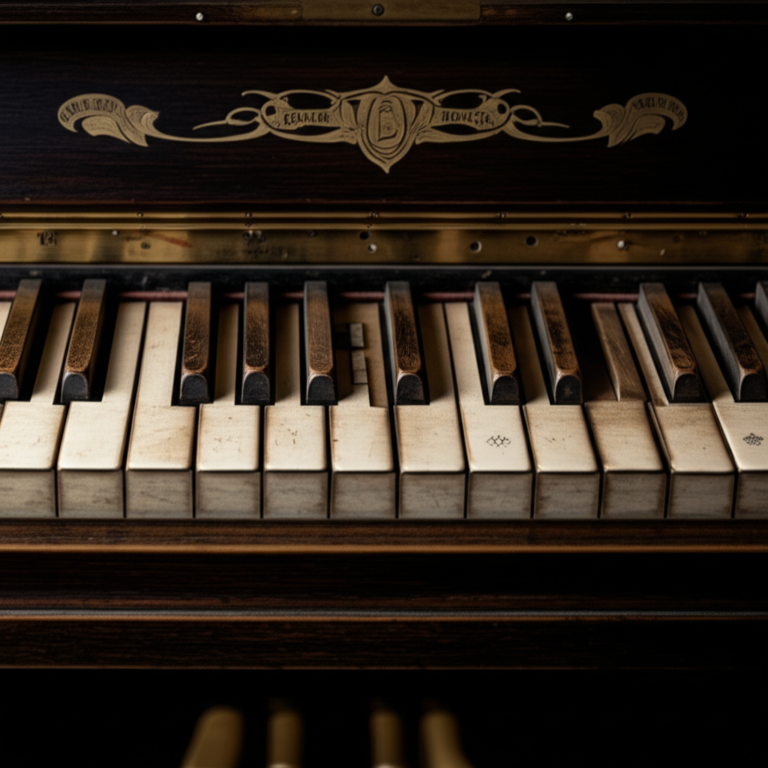
- Identification: Look for the name on the fallboard (the lid over the keys) or cast into the iron frame inside.
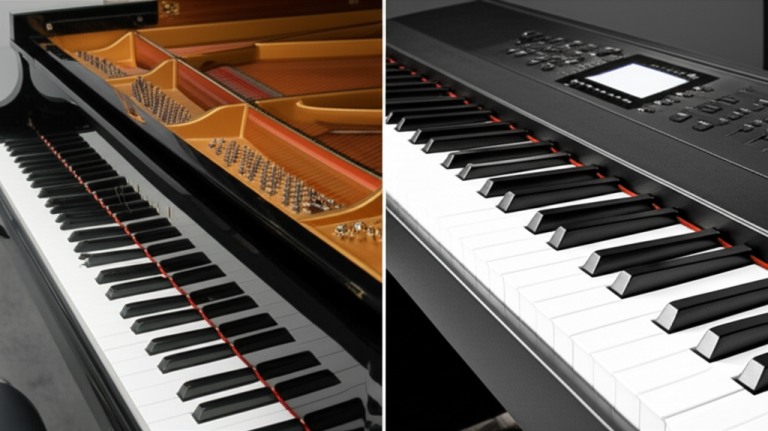
| Feature | Old English Pianos (Pre-1940) | Modern Digital Pianos |
|---|---|---|
| Tone | Warm, woody, “soulful” | Clean, sampled, consistent |
| Maintenance | High (tuning, regulation) | Zero |
| Longevity | 80–100+ years (if restored) | 10–15 years (electronics) |
| Vibe | Victorian Elegance 🎩 | Sleek & Functional 📱 |
🎹 The Rich History of English Piano Craftsmanship: From Origins to Golden Age

We often think of the piano as a German or Italian invention (thanks, Cristofori!), but for a solid century, London was the piano-making capital of the world. The history of the piano is inextricably linked to the Industrial Revolution in England.
In the late 18th century, “The Twelve Apostles”—a group of German keyboard makers—fled to London, bringing their secrets with them. They didn’t just build pianos; they revolutionized them. While the Viennese were making delicate, light instruments, the English makers were obsessed with power and volume. They developed the “English Action,” which allowed for a deeper touch and a bigger sound.
By the Victorian era, owning a piano was the ultimate status symbol. If you didn’t have a Broadwood or a Collard & Collard in your parlor, were you even trying? We’ve seen old catalogs where these makers offered everything from tiny “cottage uprights” to massive concert grands that could fill the Royal Albert Hall.
But wait—did these makers survive the transition to the modern era? Or did they vanish like the smog of Victorian London? We’ll resolve that mystery as we look at the specific brands that defined an empire.
1. 🎼 Legendary Old English Piano Makers You Should Know
If you’re scouring the Piano Brand Guides, you’ll notice these names keep popping up. These aren’t just brands; they are the titans of British musical heritage.
1.1 Broadwood & Sons: The Royal Favorite
Established in 1728, John Broadwood & Sons is the oldest piano manufacturer in the world. They didn’t just make pianos; they pioneered the triple-stringing and the iron tension bar.
- The Beethoven Connection: In 1817, Thomas Broadwood sent a six-octave grand piano to Ludwig van Beethoven. He loved it so much he kept it until he died.
- Verdict: If you find a Broadwood grand from the early 1900s, you’re looking at a piece of history.
1.2 John Brinsmead & Sons: Innovation Meets Elegance
Brinsmead was the “tech bro” of the 19th century. They were constantly patenting new actions and bridge designs. Their pianos often feature beautiful inlays and fretwork.
- Pros: Incredible craftsmanship; often very decorative.
- Cons: Some of their unique “patented” actions can be a nightmare for modern technicians to repair.
1.3 Chappell & Co.: The Music Publisher’s Piano Legacy
You might know Chappell as a music publisher, but from 1811 to 1980, they produced some of the most reliable uprights in England. They were the “workhorses” of the British piano world.
- Fun Fact: Chappell pianos were often found in the cabins of luxury ocean liners. 🚢
1.4 Wilkinson & Sons: Crafting Excellence
Though less famous than Broadwood, Wilkinson pianos are hidden gems. They focused on high-quality materials and a robust build that has allowed many to survive into the 21st century.
1.5 Other Noteworthy Makers: Collard & Collard, Hopkinson & Cope, and More
- Collard & Collard: Originally Clementi & Co., these are known for their sweet, lyrical tone.
- Challen: Famous for making the “world’s largest grand piano” for the silver jubilee of King George V. The BBC used Challen pianos for decades!
- Danemann: As mentioned in the Pianobook English Classic review, these were the “tanks” of the piano world.
👉 Shop Piano Care Accessories on:
- Piano Polish & Cloths: Amazon | Sweetwater
- Caster Cups: Amazon
🔍 What Made Old English Pianos So Unique? Design, Sound, and Craftsmanship
When we sit down at an old English upright, the first thing we notice is the weight of the keys. Unlike the feather-light touch of a modern digital piano, these instruments require some “finger muscle.”
The “English Action” vs. The World
The English makers developed a mechanism that was sturdier than the Viennese style. This allowed for:
- Greater Dynamic Range: You could play fortissimo without breaking the hammers.
- Sustain: The heavy wooden casings and early iron reinforcements gave these pianos a “singing” quality.
Aesthetic Brilliance
Victorian and Edwardian makers didn’t just care about sound; they cared about furniture.
- Candle Sconces: Many old uprights still have the brass brackets where candles were placed before electricity! 🕯️
- French Polish: The deep, mirror-like finish on a well-preserved Broadwood is something modern polyester finishes just can’t replicate.
🛠️ Restoration and Maintenance Tips for Antique English Pianos
Buying an old English piano is like buying a vintage Jaguar—it’s beautiful, but it’s going to need some love. If you’re following a Piano Buying Guide, pay close attention to these steps:
- The “Pin” Test: Ask a tuner to check the tuning pins. If they are loose, the piano won’t hold a tune. Replacing these can cost a fortune (upwards of £850 according to industry experts).
- Humidity Control: Old wood hates modern heaters. We highly recommend a humidifier or a Damppp-Chaser system to keep the soundboard from cracking. ❌
- Action Regulation: Over 100 years, the felt hammers flatten and the springs weaken. A full “regulation” can bring back that snappy response.
CHECK PRICE on Piano Maintenance Tools:
🎶 How to Identify an Authentic Old English Piano: Key Features and Marks
Is that “heirloom” in the garage a masterpiece or a “piano-shaped object”? Here’s how to tell:
- The Nameplate: Look for “London” or “Makers to the King/Queen.”
- Serial Numbers: Usually found stamped on the gold-colored iron frame or the top of the action. You can look these up in the Pierce Piano Atlas to find the exact year of birth.
- The Number of Keys: Some very old English pianos have only 85 keys instead of the modern 88. This isn’t necessarily a bad thing—it just means it’s a “vintage” soul!
- The “Featured Video” Insight: Check out this incredible clip of an 1888 piano made before electricity was common. You can hear the “mechanical” soul of the instrument that we just don’t get with modern tech.
🏛️ Museums and Collections Featuring Old English Pianos
If you want to see these beauties in their prime, you don’t have to rely on eBay.
- The Horniman Museum (London): Houses an incredible collection of early English keyboards.
- The Finchcocks Collection: Though the physical museum closed, their instruments are legendary among enthusiasts.
- The Royal College of Music: They hold some of the most significant Broadwoods in existence.
📈 The Market for Old English Pianos: Valuation and Collecting Trends
Let’s be real: not every old piano is a gold mine. In fact, many “unrestored” uprights are given away for free because they are so heavy to move! However, certain models are seeing a resurgence:
- Knight Uprights: These are the “modern classics” (post-1950). They are incredibly stable and highly recommended for students.
- Welmar: Often called the “English Blüthner,” these hold their value well due to their high-quality components.
- The “Shabby Chic” Factor: Many people buy old English pianos just for the cabinetry, but we musicians beg you—save the strings!
| Brand | Collectibility Rating (1-10) | Tone Profile | Best For |
|---|---|---|---|
| Broadwood | 10/10 | Deep, Majestic | Professional/Historical |
| Knight | 8/10 | Clear, Bright | Students/Home Use |
| Challen | 7/10 | Balanced | General Play |
| Danemann | 6/10 | Robust, Punchy | Schools/Practice |
🎹 Modern Brands Inspired by Old English Piano Craftsmanship
While many of the original factories closed during the mid-20th century (due to the rise of Japanese giants like Yamaha and Kawai), the “English Sound” lives on.
- Cavendish Pianos: Currently the only firm making pianos entirely in the UK (in Yorkshire!). They carry the torch of the old makers with a focus on traditional materials.
- Kemble: While now owned by Yamaha, Kemble was a staple of British manufacturing for decades. You can still find “Kemble-designed” pianos that retain that warmer English character.
If you’re torn between an old soul and a new heart, check out our Piano Comparison guides to see how these classics stack up against modern tech.
🧠 Frequently Asked Questions About Old English Piano Makers
Q: Are old English pianos better than new ones? A: It depends! A restored Broadwood has a “soul” and “character” that a factory-line modern piano can’t touch. However, a brand-new digital piano will always be in tune and won’t require a team of four bodybuilders to move.
Q: How do I know if my piano has an iron frame? A: Open the top lid. If you see a large, gold-painted metal plate that the strings are attached to, that’s your iron frame. If you see only wood, be careful—it’s a “straight-strung” antique that might not handle modern string tension.
Q: Is it worth restoring a 100-year-old Chappell? A: If it has sentimental value or is a high-end model, yes. But be warned: restoration can cost more than buying a mid-range new piano. Always get a quote from a professional technician first!
🔗 Recommended Links for Further Exploration
- The Piano History Centre: Official Site
- Association of Blind Piano Tuners (UK History): UK Piano Page
- Broadwood Official Website: Broadwood.co.uk
📚 Reference Links and Sources
- Wikipedia: List of Piano Manufacturers
- Roberts Pianos: English Upright and Grand Pianos Guide
- Pianobook: English Classic (Danemann) Sample Pack
- Featured Video: Old Piano Made in 1888 (Anchor: #featured-video)
🎉 Conclusion: Why Old English Piano Makers Still Matter Today

So, who are the old English piano makers? They are the guardians of a rich musical heritage, the craftsmen who shaped the soundscape of Victorian parlors, royal courts, and concert halls. From the venerable Broadwood & Sons, whose pianos once graced Beethoven’s studio, to the robust and reliable Danemann school pianos, these makers created instruments that combined elegance, durability, and a unique tonal character.
What makes these pianos so special? Their design philosophy emphasized a heavier action, a brighter yet warm tone, and an artisanal approach to cabinetry that modern mass production often lacks. However, owning one is a commitment: these instruments require careful restoration and ongoing maintenance to shine again.
If you’re considering an old English piano, remember this: they are not for the faint-hearted or the casual player. But for those who value history, craftsmanship, and a distinctive sound, they offer an irreplaceable musical experience. And if you want a taste of that vintage English soul without the upkeep, check out the English Classic piano sample pack by Danemann on Pianobook — a digital homage to these iconic instruments.
In short: Old English pianos are treasures worth preserving, playing, and celebrating. Whether you’re a collector, a player, or just a curious music lover, their legacy is alive and well.
🔗 Recommended Links for Further Exploration & Shopping
👉 Shop Old English Piano Brands & Accessories:
-
Broadwood & Sons:
Amazon Search: Broadwood Piano | Broadwood Official Website -
Danemann Pianos:
Amazon Search: Danemann Piano -
Kemble Pianos:
Amazon Search: Kemble Piano | Kemble Official Website -
Piano Care & Maintenance Tools:
Amazon: Piano Care Kits | Sweetwater: Piano Maintenance -
Books on Piano History & Restoration:
- The Piano: An Encyclopedia by Robert Palmieri — Amazon Link
- Pianos and Their Makers by Alfred Dolge — Amazon Link
- Broadwood Pianos: Their History and Construction by David Wainwright — Amazon Link
-
English Classic Piano Sample Pack (Danemann):
Pianobook English Classic
🧠 Frequently Asked Questions About Old English Piano Makers
Who are the famous British piano makers?
The most renowned British piano makers include John Broadwood & Sons, Chappell & Co., Collard & Collard, Danemann, Kemble, and Challen. Broadwood stands out as the oldest and most historically significant, with a legacy dating back to 1728. These makers were known for their craftsmanship, innovation, and distinctive tonal qualities that set them apart from continental European manufacturers.
What are the names of piano makers?
Globally, piano makers range from historic to modern. In England, notable names are Broadwood, Brinsmead, Chappell, Collard & Collard, Danemann, Kemble, and Wilkinson & Sons. Internationally, brands like Steinway & Sons, Yamaha, Kawai, and Blüthner are prominent. Each maker has its own design philosophy and tonal signature.
Who is the oldest piano manufacturer in the world?
John Broadwood & Sons, founded in 1728 in London, holds the title of the oldest continuously operating piano manufacturer. Their instruments have been favored by composers and royalty alike, and they pioneered many innovations in piano construction.
What are the most famous historical English piano brands?
The most famous historical English piano brands are Broadwood & Sons, Collard & Collard, Chappell & Co., Danemann, and Challen. These brands were especially prominent during the 18th and 19th centuries and contributed significantly to the development of the piano’s design and sound.
How do old English pianos compare to modern acoustic pianos?
Old English pianos typically have a heavier touch, a brighter yet warm tone, and a distinctive character born from handcrafted construction and aged materials. Modern acoustic pianos benefit from advances in materials, precision manufacturing, and often have a more consistent tone and easier maintenance. However, many musicians cherish the unique voice and historical aura of old English pianos, which modern instruments often lack.
Where can I find vintage English pianos for sale?
Vintage English pianos can be found through:
- Specialist piano dealers in the UK and internationally.
- Auction houses that deal in musical instruments.
- Online marketplaces such as eBay and Reverb.
- Piano restoration workshops that sometimes sell restored instruments.
- Piano forums and enthusiast groups often have listings or leads.
Always seek expert advice before purchasing to assess condition and authenticity.
What distinguishes English piano craftsmanship from other countries?
English piano craftsmanship is distinguished by:
- The use of heavier English action mechanisms, allowing greater dynamic control.
- A brighter tonal palette compared to the warmer German or Viennese pianos.
- A focus on robustness and durability, often producing instruments that could withstand heavy use (e.g., Danemann school pianos).
- Exquisite cabinetry and aesthetic details, reflecting Victorian and Edwardian furniture styles.
- Innovations such as the triple-stringing and iron tension bars pioneered by Broadwood.
📚 Reference Links and Sources
- Wikipedia: List of Piano Manufacturers
- Roberts Pianos: English Upright and Grand Pianos
- Pianobook: English Classic (Danemann) Sample Pack
- Broadwood & Sons Official Website
- Kemble Official Website
Thanks for joining us on this journey through the world of old English piano makers! Whether you’re hunting for a vintage treasure or just curious about the history behind these majestic instruments, we hope you’ve found the perfect harmony of facts, stories, and expert tips here at Piano Brands™. 🎹✨