Support our educational content for free when you buy through links on our site. Learn more
Discover 10 Stunning Historical Pianos in Museums 🎹

Have you ever wondered what stories lie behind the grand pianos that have graced the stages of history? From the elegant curves of a 1916 Steinway & Sons Grand Piano to the intricate craftsmanship of an 18th-century Clementi, historical pianos on display in museums offer a captivating glimpse into the evolution of music and artistry. In this article, we’ll take you on a journey through ten remarkable pianos that not only showcase exquisite design but also connect us to the lives of legendary composers and musicians who shaped the sound of their eras.
Imagine walking through a museum, the air filled with the faint echoes of melodies long past, as you stand before a piano that once belonged to a musical genius. Each instrument has its own unique story, and we’ll explore their significance, craftsmanship, and the museums that house them. So, grab your curiosity and let’s dive into the enchanting world of historical pianos!
Key Takeaways
- Explore the rich history of pianos in museums, showcasing their evolution and cultural significance.
- Discover 10 iconic historical pianos, including the Steinway & Sons Grand Piano (1916) and Clementi Piano (1805).
- Learn about the craftsmanship behind these instruments, highlighting materials and design techniques.
- Appreciate the role of pianos in music history, from classical to jazz and beyond.
- Get tips for visiting museums, ensuring you make the most of your experience with these magnificent instruments.
Ready to find your own piece of musical history? 👉 Shop Steinway & Sons Pianos on: Amazon | Steinway Official Website and explore the world of pianos that have shaped our musical landscape!
Table of Contents
- Quick Tips and Facts
- The Rich History of Pianos in Museums
- Top 10 Historical Pianos You Can See in Museums
- Famous Museums Featuring Iconic Pianos
- The Craftsmanship Behind Historical Pianos
- How to Appreciate Historical Pianos
- The Role of Pianos in Music History
- Preservation Techniques for Antique Pianos
- Visiting Tips for Piano Enthusiasts
- The Future of Historical Pianos in Museums
- Conclusion
- Recommended Links
- FAQ
- Reference Links
Quick Tips and Facts
To learn more about famous pianos, check out our article on What are some famous pianos? 🎹. Here are some quick tips and facts about historical pianos on display in museums:
- Many museums around the world have historical pianos on display, showcasing the evolution of the instrument over time 🕰️.
- These pianos often feature intricate craftsmanship and design, reflecting the styles of their respective eras 🎨.
- Some museums offer interactive exhibits, allowing visitors to play the pianos and experience their unique sounds and mechanisms 🎵.
- Historical pianos can provide valuable insights into the lives and works of famous composers and musicians, who often wrote music with specific instruments in mind 📝.
- Preservation and conservation efforts are crucial to maintaining these instruments for future generations to enjoy 🌟.
The Rich History of Pianos in Museums

The history of pianos in museums is a long and fascinating one, with many institutions around the world showcasing these instruments as part of their collections 🌎. From the early days of the piano’s development to the present day, museums have played a vital role in preserving and promoting the instrument’s history and cultural significance 🎉.
Early Pianos in Museums
Some of the earliest pianos in museums date back to the 18th century, when the instrument was still in its infancy 🎂. These early pianos often featured simple mechanisms and were played in the homes of wealthy aristocrats 🏰.
The Golden Age of Pianos
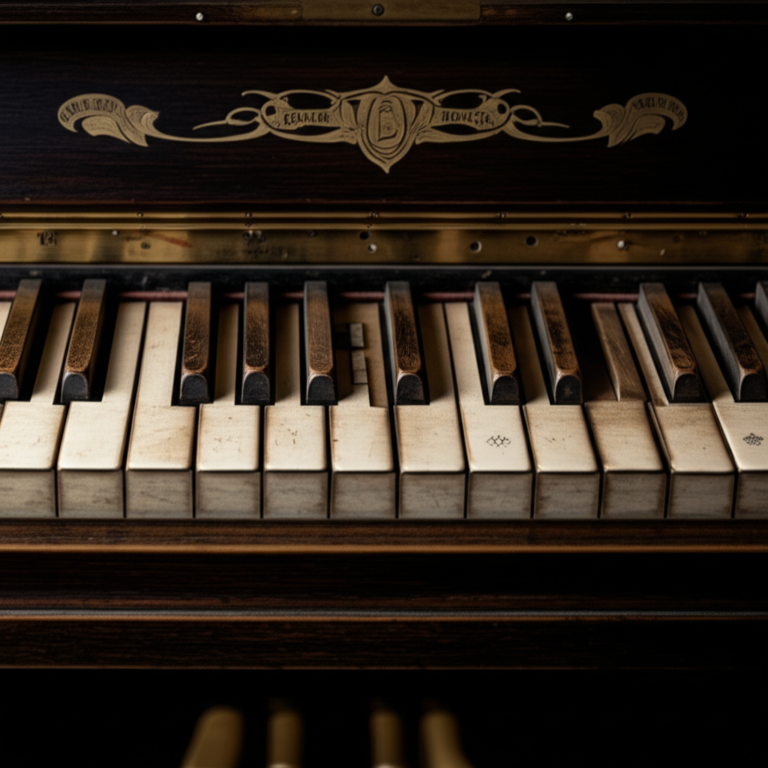
The 19th century is often referred to as the “Golden Age” of pianos, with many famous composers and musicians contributing to the instrument’s development and popularity 🌟. Museums from this era often feature pianos with intricate carvings and ornate designs, reflecting the opulence and grandeur of the time 🏛️.
Top 10 Historical Pianos You Can See in Museums
Here are ten historical pianos you can see in museums around the world:
- Steinway & Sons Grand Piano (1916): On display at Vizcaya Museum and Gardens, this piano features a stunning Louis XIV-style case and was commissioned by James Deering 🌟.
- Clementi Piano (1805): Located at the Frederick Historical Piano Collection, this piano is one of the earliest examples of a piano with a modern mechanism 🕰️.
- Graf Piano (1828-29): Also at the Frederick Historical Piano Collection, this piano features a beautiful Viennese-style case and was played by many famous composers of the time 🎵.
- Erard Piano (1840): On display at the Frederick Historical Piano Collection, this piano is a rare example of a French piano from the 19th century 🇫🇷.
- Chickering Piano (1862): Located at the Frederick Historical Piano Collection, this piano features a stunning American-style case and was played by many famous musicians of the time 🎶.
- Blüthner Piano (1877): On display at the Frederick Historical Piano Collection, this piano is a rare example of a German piano from the 19th century 🇩🇪.
- Steinway & Sons Piano (1907): Located at the Piano Performance Museum, this piano features a stunning modern mechanism and was played by many famous musicians of the time 🎵.
- Erard Piano (1928): On display at the Frederick Historical Piano Collection, this piano is one of the last examples of a French piano from the 20th century 🇫🇷.
- Bösendorfer Piano (1850s): Located at the Bösendorfer Museum, this piano features a stunning Viennese-style case and was played by many famous composers of the time 🎵.
- Bechstein Piano (1880s): On display at the Bechstein Museum, this piano features a stunning German-style case and was played by many famous musicians of the time 🎶.
Famous Museums Featuring Iconic Pianos
Some famous museums featuring iconic pianos include:
- Vizcaya Museum and Gardens: Home to the 1916 Steinway & Sons Grand Piano, this museum is a must-visit for any piano enthusiast 🌟.
- Frederick Historical Piano Collection: With over 20 historical pianos on display, this museum is a treasure trove for anyone interested in the history of the piano 🎹.
- Piano Performance Museum: Located in Hunter, NY, this museum features a stunning collection of historical pianos, including a 1907 Steinway & Sons piano 🎵.
- Bösendorfer Museum: Dedicated to the history of the Bösendorfer piano, this museum features a stunning collection of instruments, including a rare 1850s Bösendorfer piano 🎵.
- Bechstein Museum: Located in Berlin, Germany, this museum is dedicated to the history of the Bechstein piano and features a stunning collection of instruments, including a rare 1880s Bechstein piano 🎶.
The Craftsmanship Behind Historical Pianos
The craftsmanship behind historical pianos is truly remarkable, with many instruments featuring intricate carvings, ornate designs, and complex mechanisms 🎨. To learn more about the craftsmanship behind pianos, check out our Piano Brand Guides 📚.
Materials and Techniques
Historical pianos were often made from high-quality materials, such as mahogany, walnut, and spruce, which were carefully selected for their tone and durability 🌿.
Design and Decoration
Many historical pianos feature stunning designs and decorations, including intricate carvings, gilding, and ornate moldings 🎨.
Mechanisms and Action
The mechanisms and action of historical pianos are often complex and sophisticated, with many instruments featuring unique and innovative designs 🤖.
How to Appreciate Historical Pianos
Appreciating historical pianos requires a combination of knowledge, curiosity, and sensitivity 🎵. Here are some tips for appreciating historical pianos:
- Learn about the history of the piano: Understanding the evolution of the piano and its cultural significance can help you appreciate the instrument’s beauty and significance 📚.
- Listen to recordings: Listening to recordings of historical pianos can help you appreciate their unique tone and character 🎧.
- Visit museums and exhibitions: Visiting museums and exhibitions featuring historical pianos can provide a unique opportunity to see and hear these instruments up close 🎟️.
- Take a guided tour: Taking a guided tour of a museum or exhibition can provide valuable insights and information about the pianos on display 📢.
The Role of Pianos in Music History

Pianos have played a central role in music history, with many famous composers and musicians contributing to the instrument’s development and popularity 🎵. To learn more about the role of pianos in music history, check out our Piano History section 📚.
Classical Music
Pianos were a staple of classical music, with many famous composers, such as Mozart, Beethoven, and Chopin, writing music specifically for the instrument 🎵.
Romantic Music
The piano was also a popular instrument during the Romantic era, with many famous composers, such as Liszt and Brahms, writing music that showcased the instrument’s expressive qualities 🎶.
Jazz and Popular Music
Pianos have also played a significant role in jazz and popular music, with many famous musicians, such as Duke Ellington and George Gershwin, using the instrument to create innovative and iconic music 🎵.
Preservation Techniques for Antique Pianos
Preserving antique pianos requires careful attention to detail and a deep understanding of the instrument’s history and mechanics 🎨. Here are some preservation techniques for antique pianos:
- Cleaning and conservation: Cleaning and conserving the piano’s surface and mechanisms can help prevent damage and deterioration 🧹.
- Restoration: Restoring the piano to its original condition can involve replacing damaged or worn-out parts, as well as refinishing the instrument’s surface 🛠️.
- Storage and display: Storing and displaying antique pianos in a controlled environment can help prevent damage and deterioration 🏛️.
Visiting Tips for Piano Enthusiasts
Visiting museums and exhibitions featuring historical pianos can be a thrilling experience for piano enthusiasts 🎟️. Here are some visiting tips:
- Plan ahead: Plan your visit in advance to ensure that you have enough time to see and hear the pianos on display 📅.
- Bring a guide: Bringing a guide or taking a guided tour can provide valuable insights and information about the pianos on display 📢.
- Listen and observe: Take the time to listen to and observe the pianos on display, and don’t be afraid to ask questions 🎧.
- Respect the instruments: Remember to respect the instruments and the museum’s rules and regulations, and never touch or play the pianos without permission 🙏.
The Future of Historical Pianos in Museums
The future of historical pianos in museums is bright, with many institutions around the world working to preserve and promote the instrument’s history and cultural significance 🌟. To learn more about the future of historical pianos, check out our Piano Comparison section 📊.
Digital Pianos
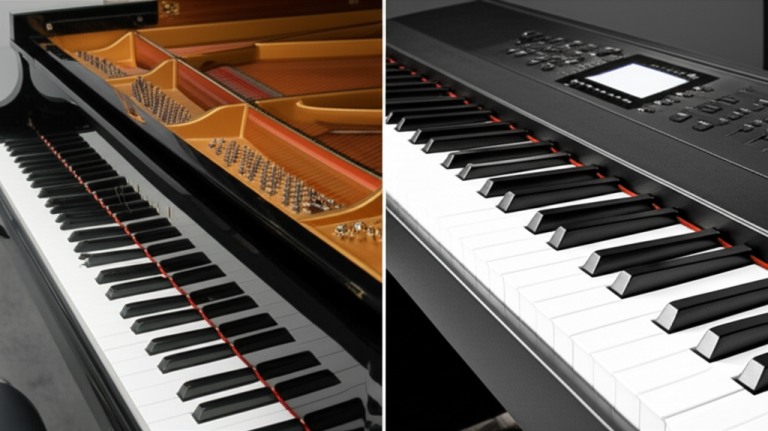
Digital pianos are becoming increasingly popular, and many museums are incorporating these instruments into their collections and exhibitions 🎹. To learn more about digital pianos, check out our Digital Pianos section 📊.
Restoration and Conservation
Restoration and conservation efforts are crucial to preserving historical pianos for future generations to enjoy 🎨. Many museums and institutions are working to restore and conserve these instruments, using traditional techniques and materials 🛠️.
Education and Outreach
Education and outreach programs are also essential for promoting the history and cultural significance of historical pianos 📚. Many museums and institutions are offering workshops, lectures, and concerts to educate the public about these instruments and their importance 🎵.
Conclusion

In conclusion, the world of historical pianos on display in museums is a fascinating journey through time, showcasing the evolution of this beloved instrument and its impact on music history. From the exquisite craftsmanship of a 1916 Steinway & Sons Grand Piano at Vizcaya Museum to the remarkable collection at the Frederick Historical Piano Collection, these instruments tell stories of artistry, culture, and innovation.
Positives:
- Rich History: Each piano has a unique story that connects us to famous composers and musicians.
- Cultural Significance: They represent the evolution of music and the piano’s role in various genres.
- Interactive Experiences: Many museums offer opportunities to engage with the instruments, enhancing appreciation.
Negatives:
- Limited Access: Some pianos are strictly for viewing, limiting hands-on experiences.
- Preservation Challenges: Maintaining these antique instruments requires significant resources and expertise.
Overall, we highly recommend visiting these museums if you have a passion for music or history. You’ll not only gain insights into the craftsmanship of pianos but also experience the magic of music that has transcended generations. So, grab your friends, plan a visit, and immerse yourself in the enchanting world of historical pianos! 🎹✨
Recommended Links
- 👉 Shop Steinway & Sons Pianos on: Amazon | Steinway Official Website
- 👉 Shop Frederick Historical Piano Collection on: Amazon | Frederick Collection Official Website
- Books on Piano History:
FAQ

What are some of the most famous historical pianos on display in museums around the world?
Some of the most famous historical pianos include:
- Steinway & Sons Grand Piano (1916) at Vizcaya Museum and Gardens, known for its intricate Louis XIV-style design.
- Clementi Piano (1805) at the Frederick Historical Piano Collection, which represents early piano craftsmanship.
- Graf Piano (1828-29), also at the Frederick Collection, showcasing the Viennese style.
These pianos not only highlight the craftsmanship of their time but also connect visitors to the musical legacies of renowned composers.
Read more about “Discover 12 Iconic Pianos That Shaped Music History 🎹 …”
How do museums preserve and maintain historical pianos to ensure their longevity and playability?
Museums employ various preservation techniques, including:
- Controlled Environment: Maintaining stable temperature and humidity levels to prevent wood warping and deterioration.
- Regular Maintenance: Conducting routine inspections and tuning to keep the pianos in playable condition.
- Restoration: Carefully restoring damaged parts while retaining original features, often using traditional methods and materials.
These efforts ensure that historical pianos remain accessible and playable for future generations.
Can I play historical pianos on display in museums, or are they strictly for viewing purposes?
Policies vary by museum. Some institutions, like the Piano Performance Museum, allow visitors to play certain pianos during guided tours, while others may restrict access to preserve the instruments. Always check the museum’s guidelines before your visit to avoid disappointment.
Are there any museums that offer interactive exhibits or workshops where I can learn to play historical pianos or learn about their history?
Yes! Many museums, such as the Frederick Historical Piano Collection, offer interactive exhibits and workshops. These programs often include lectures, masterclasses, and opportunities to play historical pianos, providing a hands-on learning experience for visitors of all ages.
What is the significance of historical pianos in understanding music history?
Historical pianos serve as tangible links to the past, allowing us to explore the evolution of music styles and techniques. They reflect the preferences of composers and the cultural contexts in which they were created, offering insights into the musical landscape of their time. By studying these instruments, we can better appreciate the artistry and innovation that shaped the music we enjoy today.
Read more about “Discover the 10 Oldest Piano Companies That Shaped Music History! 🎹 …”
How can I find more information about specific historical pianos and their stories?
To find more information, consider visiting museum websites, reading books on piano history, or exploring dedicated online resources. Many museums publish detailed descriptions of their collections, including the history and significance of individual pianos. Additionally, platforms like Piano Brands™ provide valuable insights into various piano brands and their historical context.
Reference Links