Support our educational content for free when you buy through links on our site. Learn more
How Much Do Pianos from the Big 4 Manufacturers Typically Cost? 🎹 (2025)

Ever wondered what it really costs to own a piano from the legendary Big 4 manufacturers—Steinway & Sons, Yamaha, Kawai, and Bösendorfer? Whether you’re dreaming of a grand piano that fills concert halls or a sleek upright for your living room, the price tags can range from surprisingly affordable to jaw-droppingly extravagant. But what drives these costs? And how can you make sure you’re getting the best bang for your buck without sacrificing quality or sound?
Here’s a little secret from the musicians at Piano Brands™: the price of a piano isn’t just about the brand name. It’s a symphony of factors—size, materials, craftsmanship, finish, and even where you buy it—that all play a part in the final number. Plus, the hidden costs of tuning, moving, and maintenance often sneak up on new owners. Ready to uncover the full story behind those price tags and learn how to navigate the market like a pro? Let’s dive in and reveal what you really need to know before making that life-changing purchase!
Key Takeaways
- The Big 4 piano brands—Steinway, Yamaha, Kawai, and Bösendorfer—offer a wide range of prices influenced by piano type, size, and craftsmanship.
- New pianos from these brands can range from mid 4-figures for uprights to six figures for concert grands, with Steinway and Bösendorfer at the ultra-premium end.
- Used and certified pre-owned pianos provide a more affordable entry point, but require professional inspection to avoid costly surprises.
- Beyond the purchase price, expect ongoing costs for tuning, climate control, moving, and insurance.
- Financing options like dealer plans and rent-to-own make owning a Big 4 piano more accessible.
- For beginners or casual players, Yamaha and Kawai offer excellent value without compromising quality.
- Smart shopping strategies and timing can save you thousands on your dream piano.
👉 Shop Big 4 Pianos on:
- Steinway & Sons: Amazon | Sweetwater | Steinway Official Website
- Yamaha: Amazon | Musician’s Friend | Yamaha Official Website
- Kawai: Amazon | Sweetwater | Kawai Official Website
- Bösendorfer: Amazon | Musician’s Friend | Bösendorfer Official Website
Table of Contents
- ⚡️ Quick Tips and Facts
- The Grand Legacy: A Brief History of the Big 4 Piano Manufacturers and Their Market Impact
- Unveiling the Maestros: Who Are the “Big 4” Piano Brands?
- Decoding the Dollars: Key Factors Influencing Piano Costs 💰
- 1. Type of Piano: Upright vs. Grand
- 2. Size and Model: Bigger Isn’t Always Just Bigger
- 3. Materials and Craftsmanship: The Heart of the Instrument
- 4. Age and Condition: The Vintage Factor
- 5. Finish and Aesthetics: Beauty Comes at a Price
- 6. Technology and Features: Digital Delights and Acoustic Purity
- 7. Dealer Markups and Location: The Local Variable
- The Big Reveal: Typical Costs of New Pianos from the Big 4 Manufacturers 💸
- Navigating the Used Market: Costs and Considerations for Pre-Owned Pianos 🕵️♀️
- Beyond the Sticker Price: Hidden Costs of Piano Ownership 🤫
- Financing Your Dream Piano: Options and Smart Strategies 🏦
- Understanding Piano Depreciation and Resale Value: Is it an Investment? 📉
- Is a “Big 4” Piano Worth the Investment? Weighing the Value Proposition 🤔
- Smart Shopping Strategies: How to Get the Best Deal on Your Dream Piano 🎯
- Exploring Beyond the “Big 4”: Other Quality Piano Brands to Consider 🌍
- When to Splurge vs. When to Save: Making the Right Choice for Your Musical Journey ✨
- Conclusion: Your Piano Journey Starts Here! 🚀
- Recommended Links 🔗
- FAQ: Your Burning Questions Answered 🔥
- Reference Links 📚
⚡️ Quick Tips and Facts
Welcome to the ultimate guide on how much pianos from the Big 4 manufacturers typically cost! Whether you’re eyeing a Steinway grand or a Yamaha upright, we’ve got the scoop from the musicians at Piano Brands™ who live and breathe pianos every day. 🎹
- The Big 4 piano brands are Steinway & Sons, Yamaha, Kawai, and Bösendorfer. Each has a distinct legacy, style, and price range.
- Piano prices vary wildly depending on type (grand vs. upright), size, materials, and finish.
- New pianos from these brands can range from mid-thousands to well into six figures for top-tier grands.
- Used pianos offer a more affordable entry but require careful inspection and tuning.
- Beyond the sticker price, expect delivery, tuning, maintenance, and insurance costs.
- Financing options abound, from dealer plans to rent-to-own.
- The piano market is nuanced: Is it an investment or a passion purchase? We’ll help you decide!
For a deep dive into the manufacturers themselves, check out our Who Are the Big 4 Piano Manufacturers? article.
Ready to unravel the mysteries behind those price tags? Let’s dive in! 🎶
The Grand Legacy: A Brief History of the Big 4 Piano Manufacturers and Their Market Impact
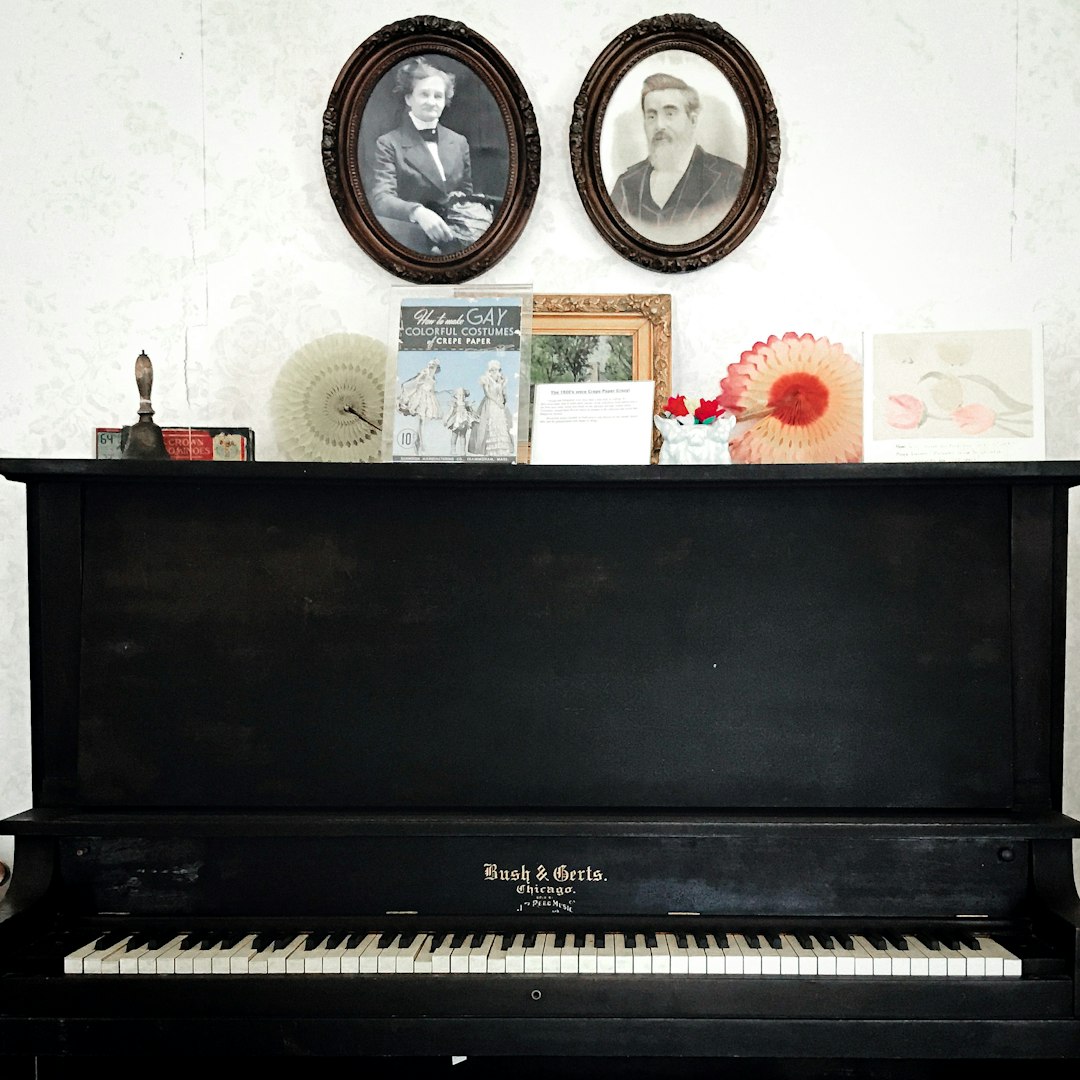
The Big 4 piano manufacturers have shaped the soundscape of classical, jazz, and contemporary music for over a century. Understanding their history helps explain their pricing and prestige.
Steinway & Sons: The American Icon 🇺🇸
Founded in 1853 in New York City, Steinway revolutionized piano design with patented innovations. Their pianos are synonymous with concert halls worldwide. Steinway’s meticulous craftsmanship and hand-finishing justify their premium pricing.
Yamaha: The Japanese Powerhouse 🇯🇵
Yamaha began piano production in 1900, blending traditional craftsmanship with cutting-edge technology. Their broad range—from beginner uprights to concert grands—makes them accessible yet respected.
Kawai: Innovation Meets Tradition 🇯🇵
Since 1927, Kawai has pushed boundaries with materials like ABS action parts and advanced soundboards. Their pianos often offer excellent value, balancing quality and price.
Bösendorfer: Austrian Royalty 🇦🇹
Established in 1828, Bösendorfer is famed for its rich, warm tone and exclusive craftsmanship. Their limited production and unique designs place them at the ultra-premium end.
Market Impact: These brands set the benchmark for quality and price. Their reputations allow them to command higher prices, but also guarantee resale value and performance.
For more on piano history, visit our Piano History section.
Unveiling the Maestros: Who Are the “Big 4” Piano Brands?
Before we talk money, let’s quickly recap the stars of the show:
| Brand | Founded | Country | Specialty | Price Tier |
|---|---|---|---|---|
| Steinway & Sons | 1853 | USA | Concert grands, handcrafted | Ultra-premium |
| Yamaha | 1900 | Japan | Wide range, digital hybrids | Entry to premium |
| Kawai | 1927 | Japan | Innovative materials, value | Mid to premium |
| Bösendorfer | 1828 | Austria | Exclusive grands, rich tone | Ultra-premium |
Each brand has its loyalists and unique selling points. Curious how their prices stack up? Hold tight, we’re getting there!
Decoding the Dollars: Key Factors Influencing Piano Costs 💰
Ever wonder why some pianos cost a fortune while others are more wallet-friendly? Let’s break down the main factors that influence piano pricing.
Type of Piano: Upright vs. Grand
- Upright pianos are vertical, compact, and generally less expensive.
- Grand pianos offer superior sound and action but come with a higher price tag.
- Within grands, sizes range from baby grands (
4’11”) to concert grands (9’).
Size and Model: Bigger Isn’t Always Just Bigger
- Larger grands have longer strings and bigger soundboards, producing richer tones.
- Different models within a brand can vary in features and finish, affecting price.
Materials and Craftsmanship: The Heart of the Instrument
- Premium woods like spruce and maple, hand-rubbed finishes, and hand-voiced actions add cost.
- Brands like Steinway emphasize handcrafting; Yamaha uses some automated processes for consistency.
Age and Condition: The Vintage Factor
- New pianos come with warranties and pristine condition.
- Used pianos can be bargains but may require costly repairs or tuning.
Finish and Aesthetics: Beauty Comes at a Price
- High-gloss polyester finishes are durable and affordable.
- French polish or custom finishes add luxury and cost.
Technology and Features: Digital Delights and Acoustic Purity
- Some brands offer hybrid models combining acoustic action with digital features.
- Digital pianos are generally cheaper but don’t replace the acoustic experience.
Dealer Markups and Location: The Local Variable
- Prices can vary by dealer, region, and shipping costs.
- Always compare multiple dealers and consider delivery fees.
The Big Reveal: Typical Costs of New Pianos from the Big 4 Manufacturers 💸
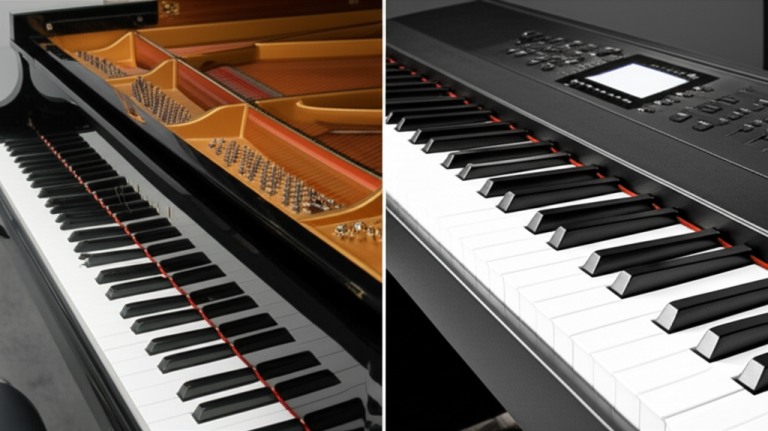
Ready for the numbers? Here’s our detailed rating and cost overview for new pianos from the Big 4, based on design, sound quality, durability, and value.
| Brand | Design (1-10) | Sound Quality (1-10) | Durability (1-10) | Value (1-10) | Typical Price Range* |
|---|---|---|---|---|---|
| Steinway & Sons | 10 | 10 | 9 | 7 | Mid 5-figures to 6-figures+ |
| Yamaha | 8 | 8 | 9 | 9 | Low 4-figures to mid 5-figures |
| Kawai | 7 | 7 | 8 | 8 | Mid 3-figures to low 5-figures |
| Bösendorfer | 10 | 10 | 9 | 6 | High 5-figures to 6-figures+ |
*Note: Prices vary by model and region; see detailed analysis below.
Steinway and Sons: The Pinnacle of Prestige
Design: Steinway pianos are handcrafted with exquisite attention to detail, featuring classic aesthetics and robust construction.
Sound Quality: Their signature rich, warm tone is beloved by concert pianists worldwide.
Durability: Built to last generations with regular maintenance.
Value: High initial cost but strong resale value.
Typical Price Range: New Steinway uprights start in the mid 5-figures; grands can soar into the 6-figure range.
👉 CHECK PRICE on:
- Steinway & Sons: Amazon | Sweetwater | Steinway Official Website
Yamaha: Innovation Meets Accessibility
Design: Modern and sleek, Yamaha pianos blend tradition with innovation.
Sound Quality: Clear, bright tone suitable for many genres.
Durability: Excellent build quality with consistent manufacturing standards.
Value: Great for beginners to professionals; excellent warranty.
Typical Price Range: Uprights start in the low 4-figures; grands can reach mid 5-figures.
👉 CHECK PRICE on:
- Yamaha: Amazon | Musician’s Friend | Yamaha Official Website
Kawai: Craftsmanship and Technological Prowess
Design: Elegant with subtle modern touches.
Sound Quality: Warm and mellow, favored by many educators.
Durability: Innovative materials improve longevity and stability.
Value: Competitive pricing with solid quality.
Typical Price Range: Uprights from mid 3-figures; grands up to low 5-figures.
👉 CHECK PRICE on:
- Kawai: Amazon | Sweetwater | Kawai Official Website
Bösendorfer: Austrian Artistry and Exclusivity
Design: Luxurious, handcrafted with unique design elements.
Sound Quality: Deep, resonant tone with a distinctive character.
Durability: Built with premium materials and expert craftsmanship.
Value: High price reflects exclusivity; limited production.
Typical Price Range: High 5-figures to 6-figures+.
👉 CHECK PRICE on:
- Bösendorfer: Amazon | Musician’s Friend | Bösendorfer Official Website
Navigating the Used Market: Costs and Considerations for Pre-Owned Pianos 🕵️♀️
Buying used can be a savvy way to own a Big 4 piano without breaking the bank. But it’s a jungle out there!
Why Buy Used? The Allure of Value
- Lower upfront cost compared to new.
- Potential to find rare or vintage models.
- Opportunity to buy a well-maintained instrument from a reputable dealer.
Typical Price Ranges for Used Big 4 Pianos
| Brand | Used Upright Range | Used Grand Range |
|---|---|---|
| Steinway & Sons | Mid 4-figures to mid 5-figures | Mid 5-figures to 6-figures |
| Yamaha | Low 3-figures to mid 4-figures | Mid 4-figures to low 5-figures |
| Kawai | Low 3-figures to mid 4-figures | Mid 3-figures to low 5-figures |
| Bösendorfer | Rare, usually high 5-figures | High 5-figures to 6-figures |
What to Look For: Assessing Condition and Value
- Soundboard cracks or warping — dealbreaker.
- Action responsiveness — must be smooth and consistent.
- Keys and pedals — check for wear or damage.
- Finish condition — cosmetic but affects value.
- History of maintenance — well-tuned and regulated pianos hold value.
The Importance of Professional Inspection
Never buy a used piano sight unseen. A qualified piano technician can:
- Assess structural integrity.
- Estimate repair costs.
- Advise on tuning stability.
For more on buying used, see our Piano Buying Guide.
Beyond the Sticker Price: Hidden Costs of Piano Ownership 🤫
Buying the piano is just the beginning. Here’s what else you’ll need to budget for:
Delivery and Installation Fees
- Professional movers charge extra for pianos due to their weight and fragility.
- Expect to pay for specialized equipment and insurance.
- Moving a piano locally can cost several hundred dollars; long-distance moves are pricier.
Tuning and Voicing: The Regular Ritual
- New pianos require multiple tunings in the first year.
- Annual tuning is recommended to maintain sound quality.
- Voicing adjusts tone and touch; may require a specialist.
Climate Control and Maintenance: Protecting Your Investment
- Pianos are sensitive to humidity and temperature fluctuations.
- Use humidifiers/dehumidifiers to maintain stable conditions.
- Regular cleaning and regulation keep the piano performing at its best.
Insurance: Peace of Mind for Your Prized Possession
- Check if your homeowner’s insurance covers your piano.
- Consider specialized musical instrument insurance for high-value pianos.
Repairs and Restoration: When Things Go Wrong
- Strings, hammers, and soundboards may need repair over time.
- Restoration can be costly but extends the piano’s life.
Financing Your Dream Piano: Options and Smart Strategies 🏦
Don’t let upfront cost scare you off! Here’s how to make your dream piano a reality.
Dealer Financing Programs
- Many dealers offer low-interest or zero-interest plans.
- Flexible terms tailored to your budget.
- Often require a credit check.
Personal Loans and Credit Lines
- Bank or credit union loans can fund your purchase.
- Compare interest rates and terms carefully.
Rent-to-Own Programs: A Stepping Stone?
- Pay monthly with option to buy.
- Higher overall cost but lower initial commitment.
- Great for beginners or uncertain buyers.
The Art of Negotiation: Don’t Be Shy!
- Dealers often have wiggle room on price and extras.
- Ask for free tuning, bench, or delivery.
- Timing your purchase during sales seasons can save money.
Understanding Piano Depreciation and Resale Value: Is it an Investment? 📉
Pianos generally depreciate in value after purchase, but the Big 4 brands hold value better than others.
- Steinway and Bösendorfer can retain or even appreciate if well-maintained and rare.
- Yamaha and Kawai depreciate faster but offer better entry-level value.
- Resale value depends on condition, market demand, and provenance.
- Think of your piano as a passion asset, not a financial investment.
Is a “Big 4” Piano Worth the Investment? Weighing the Value Proposition 🤔
Here’s the million-dollar question: Should you splurge on a Big 4 piano?
Pros
- Unmatched quality and sound.
- Strong resale value.
- Prestige and craftsmanship.
- Reliable dealer support and service.
Cons
- High upfront cost.
- Maintenance and hidden expenses.
- May be overkill for casual players.
If you’re serious about piano playing or professional performance, the Big 4 are worth every penny. For beginners or hobbyists, consider your budget and goals carefully.
Smart Shopping Strategies: How to Get the Best Deal on Your Dream Piano 🎯
Ready to shop? Here’s how to play it smart:
- Research extensively: Use resources like our Piano Brand Guides.
- Test multiple models: Sound and feel are personal.
- Compare dealer prices and services.
- Ask about warranties and return policies.
- Consider timing: End of year or model changeovers often have discounts.
- Don’t rush: Take your time to find the perfect fit.
Exploring Beyond the “Big 4”: Other Quality Piano Brands to Consider 🌍
While the Big 4 dominate, other brands offer excellent pianos at different price points:
- Boston (by Steinway): Affordable Steinway-designed pianos.
- Essex (by Steinway): Entry-level with Steinway influence.
- Blüthner: German craftsmanship with a unique tone.
- Fazioli: Italian boutique grands with exceptional quality.
Explore these if you want something unique or budget-friendly without sacrificing quality.
For more comparisons, visit our Piano Comparison category.
Conclusion: Your Piano Journey Starts Here! 🚀
So, how much do pianos from the Big 4 manufacturers typically cost? As you’ve seen, the answer isn’t one-size-fits-all — it’s a symphony of factors including brand prestige, piano type, size, materials, and even geography. From the ultra-premium Steinway & Sons and Bösendorfer grands that grace concert stages worldwide, to the innovative and accessible Yamaha and Kawai models that serve beginners and pros alike, each brand offers something unique.
Positives of Big 4 Pianos:
- Exceptional craftsmanship and sound quality that justify their price.
- Strong resale value, especially for Steinway and Bösendorfer.
- Wide range of models to fit different budgets and needs.
- Dealer support, warranties, and financing options.
Negatives:
- High upfront cost, especially for new grands.
- Ongoing maintenance and hidden expenses.
- Used market requires careful inspection to avoid costly surprises.
Our confident recommendation? If you’re serious about piano playing and want an instrument that will inspire for decades, investing in a Big 4 piano is a wise choice. For beginners or casual players, Yamaha and Kawai offer excellent value without compromising quality. And remember, buying used can be a savvy way to own a Big 4 piano — just bring a trusted technician along!
Now that you know what to expect, you’re ready to embark on your piano journey with eyes wide open and ears tuned. 🎹✨
Recommended Links 🔗
👉 Shop Big 4 Pianos on:
- Steinway & Sons: Amazon | Sweetwater | Steinway Official Website
- Yamaha: Amazon | Musician’s Friend | Yamaha Official Website
- Kawai: Amazon | Sweetwater | Kawai Official Website
- Bösendorfer: Amazon | Musician’s Friend | Bösendorfer Official Website
Recommended Books on Piano Buying and Care:
- Pianos and Their Makers by Alfred Dolge — Amazon Link
- The Piano Book: Buying & Owning a New or Used Piano by Larry Fine — Amazon Link
- Piano Maintenance and Tuning by Stefan Knüpfer — Amazon Link
FAQ: Your Burning Questions Answered 🔥

What are the Big 4 manufacturers of pianos and how do their prices compare?
The Big 4 piano manufacturers are Steinway & Sons, Yamaha, Kawai, and Bösendorfer. Steinway and Bösendorfer occupy the ultra-premium segment, with prices often starting in the mid 5-figures for uprights and soaring into six figures for grands. Yamaha and Kawai offer a broader range, from affordable entry-level uprights to mid-priced grands. Yamaha generally provides the best value for beginners, while Kawai balances innovation and price. Bösendorfer and Steinway command premium prices due to their craftsmanship and prestige.
Read more about “How Do Kawai and Yamaha Pianos Compare? 🎹 Sound & Playability (2025)”
Are there any notable differences in quality or features among pianos from the Big 4 manufacturers?
Yes. Steinway and Bösendorfer pianos are handcrafted with premium materials, offering rich tonal complexity and superior touch, favored by concert pianists. Yamaha pianos are known for consistency, bright tone, and integration of technology, including hybrid models. Kawai incorporates innovative materials like ABS action parts, enhancing durability and stability. Finish options, action design, and sound character also vary, influencing player preference.
How do the prices of new pianos from the Big 4 manufacturers differ from their certified pre-owned or used counterparts?
New pianos come with warranties and pristine condition but carry a premium price. Used or certified pre-owned pianos can cost significantly less — often 30-50% less — but require careful inspection. Certified pre-owned pianos from authorized dealers typically come with limited warranties and have been professionally serviced. Private sales may offer bargains but carry risks of hidden defects or costly repairs.
What factors contribute to the varying price ranges of pianos from the Big 4 manufacturers, such as size, materials, or craftsmanship?
Several factors influence price:
- Piano Type and Size: Grands cost more than uprights; larger grands command higher prices.
- Materials: Premium woods, hand-rubbed finishes, and specialized components increase cost.
- Craftsmanship: Handcrafted actions and voicing add to labor and price.
- Features: Hybrid technology, custom finishes, and additional accessories affect cost.
- Dealer Markups and Location: Regional pricing and dealer policies vary.
- Age and Condition: New pianos cost more; vintage or used prices depend on condition and rarity.
How much should I budget for maintenance and other hidden costs after purchasing a Big 4 piano?
Expect to budget for:
- Tuning: 2-4 times per year initially, then annually.
- Climate control: Humidifiers/dehumidifiers to protect your piano.
- Repairs: Strings, hammers, or action parts may need replacement over time.
- Insurance: Check your policy or get specialized coverage.
- Moving: Professional piano moving can cost several hundred dollars locally.
Can I finance a Big 4 piano purchase, and what are the best options?
Yes! Most dealers offer financing plans with competitive interest rates. Other options include personal loans, credit lines, and rent-to-own programs. Always compare terms and negotiate extras like free tuning or delivery. Financing makes owning a Big 4 piano more accessible without compromising quality.
Read more about “21 Piano Brands to Avoid in 2025: Don’t Waste Your Money! 🎹”
Reference Links 📚
- Steinway & Sons Official Website
- Yamaha Pianos Official Site
- Kawai Official Website
- Bösendorfer Official Website
- Piano Brands™ – Who Are the Big 4 Piano Manufacturers?
- MoveAdvisor – How Much Do Movers Cost in Denver in 2025?
- Sweetwater – Steinway Pianos
- Musician’s Friend – Yamaha Pianos
Ready to find your perfect piano? Dive into our Piano Buying Guide and start your musical adventure today! 🎹✨