Support our educational content for free when you buy through links on our site. Learn more
Kawai ND21 vs Yamaha U1: Which Upright Piano Reigns Supreme in 2025? 🎹

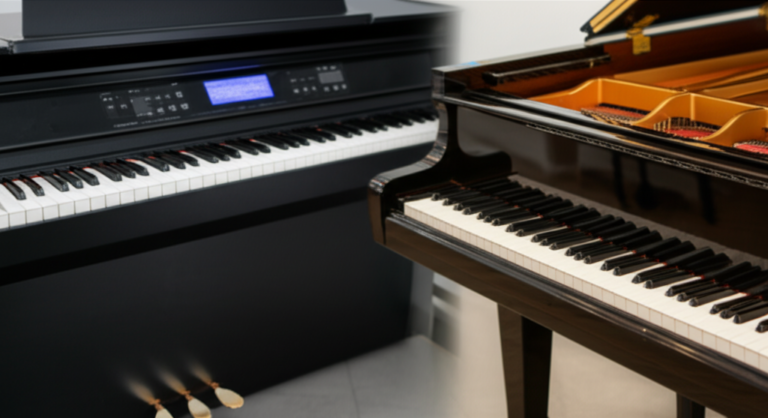
Choosing between the Kawai ND21 and the legendary Yamaha U1 can feel like picking between two musical soulmates — each with its own distinct voice, touch, and personality. Whether you’re a beginner eager to make your first acoustic piano purchase or a seasoned pianist hunting for a reliable workhorse, this head-to-head comparison will unravel everything you need to know. From the warmth of Kawai’s solid spruce soundboard to the precision of Yamaha’s iconic action, we dive deep into tone, build quality, playability, and value.
Did you know that the Kawai ND21 was designed specifically to disrupt the massive used Yamaha U1 market by offering a brand-new piano with features rarely found at its price? But does it truly match the U1’s decades-long reputation for durability and performance? Stick around as we reveal which piano might be your perfect match — and why many buyers are surprised by the answer.
Key Takeaways
- Kawai ND21 offers exceptional value with a solid Sitka spruce soundboard and modern ABS-Carbon action, making it ideal for beginners, families, and institutions seeking a new piano without breaking the bank.
- Yamaha U1 remains the gold standard for professionals and serious students, boasting a bright, clear tone, legendary action, and unmatched build quality from Japan.
- Both pianos are durable and reliable, but Kawai’s modern materials provide enhanced climate stability, while Yamaha’s traditional craftsmanship ensures long-term tuning stability and resale value.
- Your choice depends on priorities: new vs. used, warmth vs. brightness, lighter vs. heavier touch, and upfront cost vs. long-term investment.
- For a hands-on comparison and sound demos, check out our detailed reviews and expert insights below.
👉 Shop Kawai ND21 on: Sweetwater | Musician’s Friend | Kawai Official Website
👉 Shop Yamaha U1 on: Sweetwater | Musician’s Friend | Yamaha Official Website
Table of Contents
- ⚡️ Quick Tips and Facts About Kawai ND21 vs Yamaha U1
- 🎹 The Legacy and Craftsmanship Behind Kawai ND21 and Yamaha U1
- 🎼 1. Detailed Kawai ND21 Upright Piano Review & Sound Demo
- 🎼 2. In-Depth Yamaha U1 Upright Piano Review & Performance Analysis
- 🎹 3. Comparing Build Quality and Materials: Kawai ND21 vs Yamaha U1
- 🎹 4. Action Mechanism and Touch Response: What Sets Them Apart?
- 🎼 5. Sound Characteristics and Tonal Quality: Which Piano Wins?
- 🎹 6. Durability and Longevity: Which Piano Ages Like Fine Wine?
- 🎼 7. Price, Value, and Resale: Making Your Investment Count
- 🎹 8. Ideal Use Cases: Who Should Choose Kawai ND21 or Yamaha U1?
- 🎼 9. Maintenance, Tuning, and Service Tips for Both Models
- 🎹 10. Customer Reviews and Professional Opinions: What Are People Saying?
- 🎼 11. Bonus: How to Spot a Genuine Kawai ND21 or Yamaha U1 in the Market
- 🎹 Conclusion: Which Upright Piano Triumphs in the Kawai ND21 vs Yamaha U1 Battle?
- 🔗 Recommended Links for Further Exploration
- ❓ Frequently Asked Questions About Kawai ND21 and Yamaha U1
- 📚 Reference Links and Sources
⚡️ Quick Tips and Facts About Kawai ND21 vs Yamaha U1
Welcome, fellow music lovers, to the ultimate showdown between two titans of the upright piano world: the Kawai ND21 and the Yamaha U1. Here at Piano Brands™, we’ve had our hands on more pianos than a centipede has shoes, and this is a comparison we get asked about all the time. So, let’s cut to the chase with some quick takeaways before we dive deep. Still trying to decide between the two brands? Our detailed guide on Which One is Better: Kawai or Yamaha? 🎹 | 9 Key Factors to Consider in 2025 is a great place to start.
Here’s the skinny:
| Feature | Kawai ND21 | Yamaha U1 | The Lowdown |
|---|---|---|---|
| Sound Profile | Warmer, more resonant, “bigger acoustical envelope”. | Brighter, clearer, “sparkly but conservative” tone. | Do you prefer a cozy hug or a crisp high-five? |
| Action | Ultra-Responsive Action™ with ABS-Carbon parts. | Balanced and precise, a long-standing industry benchmark. | Kawai’s is known for stability; Yamaha’s for its classic feel. |
| Primary Competitor | A direct challenge to the used Yamaha U1 market. | The industry-standard 48″ professional upright. | New kid on the block vs. the reigning champ. |
| Manufacturing | Assembled in Kawai’s Indonesian facility. | Made in Hamamatsu, Japan. | Indonesian craftsmanship vs. Japanese precision. |
| Aesthetics | Modern monochrome design with nickel/silver hardware. | Classic look with multiple finish options (polished ebony, walnut, etc.). | Sleek and modern vs. timeless and traditional. |
| Key Feature | Solid Sitka Spruce Soundboard at its price point. | Soft-close fallboard (a lifesaver for little fingers!). | A feature-rich newcomer vs. a refined classic. |
| Best For | Beginners, institutions, and budget-conscious buyers wanting a new piano. | Experienced pianists, professionals, and those seeking a proven workhorse. | A fantastic start vs. a long-term investment. |
| Warranty | Full 10 or 12-year transferable warranty. | 10-year warranty. | Both offer great peace of mind. |
✅ Kawai ND21: A fantastic value proposition, offering features like a solid spruce soundboard typically found on more expensive pianos. It’s a “disruptive and hugely successful force” for a reason.
❌ Kawai ND21: The action, while excellent for beginners, might not satisfy advanced players seeking the nuance of a grand piano feel. It also lacks a slow-fall mechanism for the fallboard.
✅ Yamaha U1: A legendary “workhorse” with a reputation for reliability and a consistently precise touch that professionals have trusted for over half a century. Its resale value is typically very strong.
❌ Yamaha U1: A new U1 represents a more significant financial investment. The brighter tone might not be to everyone’s taste, and some find it can become even brighter with age.
So, are you intrigued? Do you want to know which piano’s “voice” will truly speak to you? Stick with us as we unpack every hammer, string, and key!
🎹 The Legacy and Craftsmanship Behind Kawai ND21 and Yamaha U1
Every great instrument has a story, a soul shaped by its creators. Understanding the history of Kawai and Yamaha is like knowing the secret ingredient in your favorite recipe—it just makes you appreciate the final product more!
The Yamaha Dynasty: A Century of Precision
Yamaha’s journey began way back in 1887 when a watchmaker named Torakusu Yamaha decided to try his hand at building a reed organ. That passion for meticulous craftsmanship quickly translated to pianos, and by 1899, he was learning the trade in the USA. This history is crucial because it established Yamaha’s core philosophy: precision, consistency, and technological innovation.
The Yamaha U1 is the culmination of this philosophy. For over 50 years, it has been the go-to 48″ upright for professionals, teachers, and conservatories worldwide. It’s the piano you’ll find in a thousand practice rooms for a reason: it’s built to be a reliable, consistent “workhorse”. Yamaha’s dedication to quality is so renowned that they even “season” their pianos for their destination, ensuring stability in different climates.
The Kawai Revolution: A Passion for Innovation
The Kawai story is beautifully intertwined with Yamaha’s. The founder, Koichi Kawai, was actually an apprentice to Torakusu Yamaha and a key member of the team that first brought pianos to Japan. After Yamaha’s passing and a shift in the company’s direction, Koichi Kawai founded his own company in 1927 with a dream of building the world’s finest piano.
This spirit of passionate innovation is the heartbeat of Kawai. They are known for constantly evolving their designs and materials. A prime example is their pioneering use of ABS-Carbon composite materials in their actions, which they introduced to enhance stability and speed, addressing issues that traditional wooden parts can face with temperature and humidity changes.
The Kawai ND21 is a fascinating product of this legacy. It’s essentially a reissue of the popular Kawai K25 model from the 1990s, but with a modern aesthetic. It was created to be a “disruptive” force, offering a brand-new, high-quality Japanese-designed piano at a price point that directly competes with the massive market for used Yamaha U1s. It’s a bold move, and one that shows Kawai’s keen understanding of what today’s piano buyers are looking for. You can explore more about the evolution of piano making in our Piano History section.
🎼 1. Detailed Kawai ND21 Upright Piano Review & Sound Demo
The Kawai ND21 is the plucky underdog that’s been shaking up the piano world. It’s a piano we at Piano Brands™ have been incredibly excited about because it answers a question so many buyers have: “How can I get a great new acoustic piano without breaking the bank?” Let’s break it down.
| Rating Aspect | Score (1-10) | Why? |
|---|---|---|
| Tone & Resonance | 9.0 | Warm, rich, and surprisingly resonant for its price, thanks to the solid spruce soundboard. |
| Action & Touch | 8.0 | The Ultra-Responsive Action™ is reliable and great for beginners/intermediates, but lacks the refinement of higher-end models. |
| Build Quality | 8.5 | Solid construction, made in Kawai’s Indonesian facility. The monochrome hardware is a stylish touch. |
| Features | 8.0 | The solid soundboard is a huge plus. Lacks a slow-fall fallboard, but has rugged casters. |
| Value for Money | 9.5 | “Incomparable value” is the phrase that comes up again and again. It’s a game-changer. |
The ND21’s Sonic Soul
The first thing you’ll notice about the ND21 is its voice. It has that characteristic Kawai warmth. One review aptly describes it as having a “bigger acoustical envelope” than a Yamaha of the same size. This is largely due to two key factors:
- Solid Spruce Soundboard: This is the heart of the piano’s sound. Getting a solid (not laminated) Sitka spruce soundboard on an instrument in this price range is “super unusual” and a massive win for the ND21. It gives the piano fantastic sustain and a beautiful, resonant quality.
- Sympathetic Resonance: Kawai cabinets are often designed to resonate more freely, contributing to that warmer, fuller sound. The bass is clear, and the treble is strong without being harsh or metallic.
If you’re curious to hear it for yourself, the first video embedded in this article (#featured-video) offers a great comparison between the ND21 and its bigger brother, the K-300, showcasing its lovely tone.
Under the Fingers: The Action
The ND21 uses Kawai’s Ultra-Responsive Action™. This is a well-proven, first-generation ABS action that has been reliable for decades. Here’s what that means for you:
- ✅ Stability: Kawai pioneered using ABS composite parts in actions to combat issues like shrinking or swelling due to humidity, making the action more stable and requiring less maintenance over time.
- ✅ Great for Learning: The action is responsive enough for beginners and intermediate players, rated a “7 out of 10” for responsiveness in one review. It provides excellent control, especially for younger players learning to manage dynamics.
- ❌ A Limit for the Advanced: For a seasoned pianist, this action might feel a bit less refined. It doesn’t have the longer keysticks or the advanced geometry of the Millennium III action found in Kawai’s more expensive K-series pianos (like the K-300), which offers faster repetition and more subtle control.
Design and Practicality
Aesthetically, the ND21 is a modern beauty. It comes in a polished ebony finish with striking monochrome nickel/silver hardware, giving it a sleek, contemporary look that usually costs a premium.
One of our favorite practical features is the set of rugged double rubber casters. This makes the piano surprisingly easy to move, a huge bonus for schools, churches, or anyone who likes to rearrange their furniture! The one notable omission is a slow-fall fallboard, so you’ll have to teach the kids (and maybe some adults!) not to slam the lid.
👉 Shop Kawai Pianos on:
- Kawai ND21: Sweetwater | Musician’s Friend | Kawai Official Website
🎼 2. In-Depth Yamaha U1 Upright Piano Review & Performance Analysis
If the Kawai ND21 is the exciting newcomer, the Yamaha U1 is the undisputed heavyweight champion. It’s a piano that has defined the 48-inch upright category for decades, becoming a “perennial favorite among discerning pianists”. When you’re looking for a piano, our Piano Buying Guide is a great resource, and the U1 is a model you’ll see mentioned time and time again.
| Rating Aspect | Score (1-10) | Why? |
|---|---|---|
| Tone & Resonance | 8.5 | Clear, bright, and powerful. A versatile sound that suits many genres, though some may find it lacks warmth. |
| Action & Touch | 9.5 | The benchmark for upright piano actions. Exceptionally precise, balanced, and reliable. |
| Build Quality | 9.5 | Legendary Japanese craftsmanship. Built to last for generations with outstanding structural stability. |
| Features | 9.0 | The soft-close fallboard is a premium touch. Available in a wide variety of finishes. |
| Value for Money | 8.0 | A higher initial investment, but holds its value exceptionally well. A true long-term asset. |
The U1’s Signature Sound
The Yamaha U1’s sound is often described as bright, clear, and full-bodied. It has a “sparkly but conservative” tone that is incredibly versatile, making it suitable for everything from classical to jazz and pop.
- Clarity and Punch: Unlike the warmer, more blended sound of the Kawai, the Yamaha U1 has a sharper attack and a very clean sound. This makes it a favorite for recording studios, as it “punches through the mix” without sounding muddy.
- Tonal Consistency: Yamaha has perfected the art of consistency. Refinements in its scale design and soundboard construction give the U series a remarkably “evenly balanced timbre across the entire keyboard”.
- A Note on Brightness: It’s worth noting that Yamahas can tend to get brighter with age. This isn’t necessarily a bad thing and can be managed by a good technician through voicing, but it’s a characteristic to be aware of.
The Feel of a Legend: The Action
This is where the Yamaha U1 truly shines. The Yamaha action is the gold standard by which other uprights are often judged.
- ✅ Unmatched Precision: The U1’s action is lauded for being exceptionally precise and responsive, giving the pianist incredible control over dynamics and expression.
- ✅ Balanced and Consistent: Yamaha’s balanced action, featuring spruce keys and aluminum alloy action rails, ensures an even feel from the heavy bass notes to the lighter treble. This consistency is why so many universities and conservatories use them.
- ✅ Durability: The action is built to withstand heavy use, making it a reliable choice for institutions and serious students who practice for hours a day.
Design and Refinements
The Yamaha U1 boasts a timeless, professional design. Unlike the ND21’s single finish, the U1 is available in a variety of beautiful finishes, including Polished Ebony, Satin American Walnut, and Polished White, allowing it to fit into any decor.
A key feature that sets the U1 apart, especially for families, is the soft-close fallboard. This damping mechanism, once found only on grand pianos, prevents the key cover from slamming shut, protecting both the piano and wandering fingers. It’s a small but significant touch of luxury and safety.
👉 Shop Yamaha Pianos on:
- Yamaha U1: Sweetwater | Musician’s Friend | Yamaha Official Website
🎹 3. Comparing Build Quality and Materials: Kawai ND21 vs Yamaha U1
So, we’ve established that both pianos are fantastic, but how are they put together? What’s under the hood? This is where the philosophies of Kawai and Yamaha really diverge, and it’s a fascinating part of our Piano Comparison journey.
Let’s pop the lid and take a look at the core components.
| Component | Kawai ND21 | Yamaha U1 | Our Expert Take |
|---|---|---|---|
| Soundboard | Solid, straight-grained Sitka Spruce. | Solid Spruce with special rib configurations for strength. | ✅ Advantage: Kawai ND21. Getting a solid Sitka spruce soundboard at this price is exceptional. Yamaha’s is excellent, but Kawai offers incredible value here. |
| Action Materials | Ultra-Responsive Action™ with ABS-Styran and ABS-Carbon components. | Yamaha Balanced Action with spruce keys and aluminum alloy action rails. | 🤷♂️ It’s a Tie. Kawai’s composites offer superior stability against humidity. Yamaha’s traditional wood/metal combo is a proven, reliable industry standard. |
| Hammers | Single-felted, 100% wool felt on hardwood shanks. | Yamaha-designed hammers with T-fasteners, materials selected for each model. | ✅ Advantage: Yamaha U1. While the ND21’s hammers are good, the U1’s are designed for optimal tone and durability across the board. The ND21’s single-felted hammers may distort at very high volumes. |
| Back Posts | 4 back posts for structural support. | Multiple back posts for enhanced rigidity and resonance. | ✅ Advantage: Yamaha U1. Yamaha’s U-series frame is legendary for its structural stability. |
| Hardware | Modern monochrome look with nickel/silver pedals and hinges. | Traditional brass or chrome hardware depending on the finish. | 🎨 Aesthetic Choice. This is purely down to personal preference: modern chic vs. classic elegance. |
| Place of Assembly | Kawai’s facility in Karawang, Indonesia. | Hamamatsu, Japan. | ✅ Advantage: Yamaha U1. While the Indonesian factory is excellent, the “Made in Japan” label carries a prestige and a history of unparalleled quality control. |
The Great Soundboard Debate
The soundboard is the soul of the piano. It’s the large wooden panel that amplifies the vibrations of the strings. The Kawai ND21’s use of a solid Sitka spruce soundboard is its trump card. This is a feature usually reserved for more expensive “professional” grade instruments. It’s a testament to Kawai’s strategy of packing as much value as possible into the ND21. The Yamaha U1 also uses a fantastic solid spruce soundboard, but the fact that the more affordable ND21 does too is a major point in its favor.
Wood vs. Plastic: The Action Material Controversy
Here’s where things get spicy! For decades, piano actions were made of wood. Yamaha largely sticks to this tradition, using high-quality spruce for its keys. Kawai, ever the innovator, pioneered the use of ABS-Carbon composites in its actions.
Now, don’t let the word “plastic” scare you. This isn’t the stuff your TV remote is made of. ABS-Carbon is incredibly strong, lightweight, and, most importantly, impervious to changes in temperature and humidity. This means a Kawai action is less likely to feel sluggish on a humid day or develop clicks from swollen parts. It offers a consistency that wood can sometimes struggle to match. Is it “better”? Not necessarily. Many purists love the feel of a traditional wood action. It’s a different approach to achieving the same goal: a responsive, reliable playing experience.
🎹 4. Action Mechanism and Touch Response: What Sets Them Apart?
If the soundboard is the piano’s soul, the action is its nervous system. It’s the incredibly complex mechanism of over 6,000 parts that translates the movement of your finger on a key into a hammer striking a string. The “feel” of a piano is everything, and this is where the ND21 and U1 offer distinctly different experiences.
Kawai’s Ultra-Responsive Action™: Control and Stability
The Kawai ND21 features the Ultra-Responsive Action™. As we touched on, this action uses Kawai’s proprietary ABS-Carbon parts. But what does that mean for the feel?
- Lighter, Faster Feel: One of the key benefits of ABS-Carbon is that it’s lighter than wood. This allows for a slightly faster and more nimble action. Some players, especially those accustomed to digital pianos or lighter actions, might feel right at home.
- Focus on Control: The ND21’s action is often described as prioritizing control, particularly in softer dynamic ranges. This makes it excellent for beginners who are just learning to shape their phrases and play with expression.
- A Proven Design: While it’s not the latest and greatest Millennium III action found in the Kawai K-300, the ND21’s action is a time-tested design based on the K-25 from the 90s. It has “30 years of proven performance”.
One of our team members, a classical pianist who grew up playing on a variety of school pianos, put it this way: “The ND21 feels very predictable, in a good way. You know exactly what you’re going to get with every key press. It doesn’t fight you, which is great for long practice sessions.”
Yamaha’s Balanced Action: The Professional’s Benchmark
The Yamaha U1’s action is, in a word, iconic. It’s the standard by which many other uprights are measured.
- A Firmer, More Substantial Touch: Forum users and reviewers often note that Yamaha actions tend to have a “heavier feel” compared to Kawai. This isn’t a negative; many pianists prefer this more substantial touch, as it can feel more like playing a grand piano.
- Incredible Nuance and Repetition: The U1’s action is known for its precision and ability to handle demanding music. The double escapement mechanism, a feature perfected over a century, allows for incredibly fast note repetition, essential for advanced classical pieces and virtuosic passages.
- The “Workhorse” Feel: The U1 feels solid and reliable under the fingers. It’s built to withstand thousands of hours of use in conservatories, which is why it has earned its “workhorse” reputation.
Which is better? That’s the million-dollar question, isn’t it? A forum user on Piano World aptly stated that Yamaha and Kawai are “pretty much polar opposite brands” in terms of feel. The only way to know for sure is to sit down and play them both. Does the lighter, nimbler feel of the Kawai appeal to you, or does the substantial, precise feel of the Yamaha give you more confidence?
🎼 5. Sound Characteristics and Tonal Quality: Which Piano Wins?
Ah, the sound! This is the most subjective, personal, and, let’s be honest, the most important part of choosing a piano. It’s the reason we fall in love with an instrument. The Kawai ND21 and Yamaha U1 are like two different master vocalists—both are brilliant, but they have very different voices.
The Kawai ND21: A Warm, Resonant Embrace
The word that consistently comes up when describing the Kawai sound is “warmth.”
- Rich Overtones: The ND21 produces a sound with a “ton of sympathetic resonance.” This means that when you play a note, other strings that are harmonically related also vibrate gently, creating a rich, complex, and enveloping sound. It’s like the difference between a solo singer and a choir humming in the background.
- A “Bigger Acoustical Envelope”: Thanks to its resonant cabinet design and solid spruce soundboard, the ND21 creates a sound that feels larger and more encompassing than you might expect from its size.
- Mellow and Singing Tone: Compared to the Yamaha, the Kawai tone is generally more mellow. The bass is clear and sustained, and the treble sings without being harsh or “metallic.” This can be particularly pleasing for romantic and impressionistic music.
One reviewer noted that the difference in sound is a “trademark” that separates Kawai from Yamaha. It’s a sound that invites you in, perfect for intimate home settings.
The Yamaha U1: A Bright, Clear Proclamation
If the Kawai is a warm embrace, the Yamaha is a clear, confident statement.
- Bright and “Sparkly” Tone: The U1 is famous for its bright, energetic sound. It has a crispness and clarity that can cut through an ensemble or fill a large room. This makes it incredibly versatile for genres like pop, jazz, and rock.
- Focused and Pure Sound: The U1’s sound is very direct and clean. There’s less of the “muddy fuzzy sound” that can sometimes be difficult to record, which is why it’s a staple in many studios.
- Powerful and Consistent: The U1 is a powerhouse. Its sound is strong and consistent across the entire keyboard, from a thundering bass to a crystalline treble. While some find it can be too bright, especially as it ages, this is a matter of personal taste and can be adjusted by a skilled technician.
So, what’s the verdict? There’s no “winner” here, only what’s right for your ears. Do you want a piano that wraps you in a warm, resonant hug, or one that sings with a bright, clear, and powerful voice? The best advice we can give is to listen to as many recordings as you can (like the one at #featured-video) and, if possible, play both pianos in person. Close your eyes and see which voice truly speaks to you.
🎹 6. Durability and Longevity: Which Piano Ages Like Fine Wine?
Buying a piano is a major investment, not just of money, but of space and dreams. You want an instrument that will not only last but will mature gracefully, becoming a cherished member of your family for generations. Both the Kawai ND21 and the Yamaha U1 are built to last, but they approach longevity from slightly different angles.
Kawai ND21: Modern Materials for a Stable Future
Kawai’s philosophy of incorporating modern materials is central to the ND21’s durability.
- Climate-Resistant Action: The biggest story here is the ABS-Carbon action. Traditional wooden action parts can be susceptible to swelling and shrinking with changes in humidity, leading to sticking keys or a change in touch. Kawai’s composite parts are designed to be incredibly stable, resisting these climatic changes. This means a more consistent performance year-round and potentially less need for regulation adjustments.
- Solid Construction: The ND21 is built with 4 solid back posts, providing a sturdy frame to support the immense tension of the strings (upwards of 20 tons!). While it’s built in Indonesia, it’s done in a Kawai-owned and operated facility, ensuring their high standards are met.
- Transferable Warranty: Kawai offers a full 10 or 12-year transferable warranty on the ND21. This is a huge vote of confidence in their product and a fantastic selling point if you decide to upgrade down the line. The fact that the warranty can pass to the next owner adds significant value.
Yamaha U1: The Indestructible Workhorse
The Yamaha U1’s reputation for durability is the stuff of legend. There’s a reason you see 30 or 40-year-old U1s still being played and loved in schools and homes around the world.
- The “Workhorse” Frame: The U1’s back post and frame design is engineered for maximum rigidity and structural stability. This is key to the piano holding its tuning so well and withstanding years of heavy use. Piano technicians often comment on the U1’s outstanding tuning stability.
- Proven Materials and Craftsmanship: Built in Hamamatsu, Japan, the U1 benefits from decades of refinement in materials and manufacturing processes. From the hard maple bridges to the cut thread tuning pins, every component is designed for longevity.
- A History of Reliability: As one technician put it, “Even after years of heavy use, the Yamaha U1 acoustic piano continues to have outstanding tone, tight pins, and great structural stability.” They are known for being easy to service, with parts readily available, making them a safe long-term investment.
The Verdict? 🤷♂️ It’s another tie! You simply can’t go wrong with either piano in terms of durability. The Kawai ND21 offers modern, climate-resistant technology and a fantastic transferable warranty. The Yamaha U1 offers a legendary track record of being virtually indestructible, a true “buy it for life” instrument. Your choice depends on whether you trust in modern material science or in a decades-long reputation for unwavering traditional craftsmanship.
🎼 7. Price, Value, and Resale: Making Your Investment Count
Let’s talk money. For most of us, this is a huge factor in the decision-making process. This is where the Kawai ND21 and Yamaha U1 present two very different but equally compelling arguments. It’s a classic case of upfront cost versus long-term investment.
Kawai ND21: Unbeatable Initial Value
The Kawai ND21’s entire reason for being is to offer “incomparable value.”
- The New vs. Used Dilemma: Kawai cleverly positioned the ND21 to compete directly with the massive market for 20- to 40-year-old used Yamaha U1s. For a similar price to a decades-old used piano, you can get a brand new instrument with a full factory warranty. For many buyers, especially first-timers, this is a “total no-brainer.”
- More Piano for Your Buck: As we’ve discussed, the ND21 includes features like a solid Sitka spruce soundboard that are highly unusual at its price point. You are simply getting more raw materials and features for your initial investment.
- Resale Potential: While it doesn’t have the long-term track record of the U1, the ND21’s strong feature set and transferable warranty give it excellent resale potential. It’s a very safe, low-risk option for parents or institutions.
Yamaha U1: The Blue-Chip Investment
The Yamaha U1 is the piano equivalent of a blue-chip stock: it’s a higher initial investment, but it’s known for holding its value exceptionally well.
- Strong Resale Market: The U1 is arguably the most recognized and sought-after upright piano on the used market. Its reputation for quality and durability means that even older models command strong prices. There’s always a buyer for a well-maintained U1.
- The Cost of “New”: A brand new piano, like a new car, does experience an initial depreciation hit the moment it leaves the showroom. One source suggests a new piano can lose up to 35% of its value initially. However, the U1’s depreciation tends to level off and remain stable over many years.
- A Generational Asset: A Yamaha U1 isn’t just a purchase; it’s an asset. It’s an instrument that, with proper care, can be passed down through generations or sold for a significant portion of its original cost decades later.
So, what’s the smarter financial move?
- Choose the Kawai ND21 if your priority is getting the absolute most piano for your money right now. It’s a fantastic way to get a new, high-quality instrument without the premium price tag, making it an ideal choice for a first acoustic piano.
- Choose the Yamaha U1 if you view the purchase as a long-term investment and are comfortable with a higher upfront cost. Its legendary status ensures it will always be a valuable and desirable instrument.
🎹 8. Ideal Use Cases: Who Should Choose Kawai ND21 or Yamaha U1?
Alright, we’ve dissected the specs, debated the tone, and crunched the numbers. Now for the most important question: which piano is right for YOU? Let’s match these amazing instruments to the people who will love them most.
The Kawai ND21 is Perfect For…
- 👨👩👧👦 First-Time Buyers and Families: If you’re buying your first acoustic piano for your child (or yourself!), the ND21 is a dream come true. You get the reliability and peace of mind of a brand new instrument with a full warranty, all for the price of a used piano. It’s a “safe, low risk option.”
- 🏫 Institutions on a Budget: Churches, schools, and teaching studios have been “loving this model.” Its durable construction, easy-to-move casters, and fantastic value make it an institutional workhorse that doesn’t require a massive capital outlay.
- 🤔 The Undecided Digital-to-Acoustic Jumper: Are you currently playing a digital piano and craving the authentic touch and resonance of an acoustic? The ND21 is the perfect bridge. It offers a “welcome alternative to the age-old binary option of selecting a digital piano or a 40 year old used Yamaha U1.”
- 🎶 Players Who Prefer a Warmer Tone: If your musical taste leans towards a mellower, more resonant sound, the ND21’s characteristic Kawai warmth will be music to your ears.
The Yamaha U1 is the Ideal Choice For…
- 🎓 Serious Students and Aspiring Professionals: If you are a dedicated pianist who practices for hours a day and needs an instrument that can keep up with your growing skills, the U1 is your steadfast partner. Its precise, responsive action will not hold you back.
- 🎹 Experienced Pianists and Teachers: Professionals choose the U1 because they know exactly what they’re getting: unparalleled consistency, reliability, and a touch that is considered the industry benchmark.
- 🏢 Recording Studios and Performance Venues: The U1’s clear, bright tone records beautifully and has the power to fill a room. Its versatility across genres makes it a valuable tool for any professional setting.
- 💰 The Long-Term Investor: If you want a piano that is not only a beautiful musical instrument but also a solid financial asset that will hold its value for decades, the U1 is the proven choice.
Ultimately, the choice comes down to your priorities. The Kawai ND21 offers incredible new value and features for the price, while the Yamaha U1 offers proven performance and a legendary reputation.
🎼 9. Maintenance, Tuning, and Service Tips for Both Models
Congratulations! You’ve chosen your piano. Now, how do you keep it sounding and playing its best for years to come? Proper maintenance is key. While both the ND21 and U1 are robustly built, a little TLC goes a long way.
Universal Truths of Piano Care
Whether you choose Kawai or Yamaha, these rules always apply:
- Placement is Key: Keep your piano away from direct sunlight, heating/cooling vents, and windows. Extreme and frequent changes in temperature and humidity are a piano’s worst enemy.
- Regular Tuning: A new piano needs to settle into its new environment. Plan on having it tuned 3-4 times in the first year. After that, tuning twice a year is generally recommended to keep it sounding its best.
- Keep it Clean: Dust the cabinet with a soft, dry cloth. For the keys, use a slightly dampened cloth (water only) and dry them immediately. Avoid chemical cleaners.
- Find a Good Technician: A qualified Registered Piano Technician (RPT) is your piano’s best friend. They will not only tune it but can also perform regulation (adjusting the action) and voicing (adjusting the tone) to keep it playing perfectly.
Specifics for the Kawai ND21
- Action Stability: Thanks to the ABS-Carbon action parts, the ND21 may require less frequent regulation due to humidity changes compared to an all-wood action. However, it’s still wise to have it checked by your technician every few years.
- Hammer Voicing: The ND21 has single-felted hammers. While great for most playing, if you find the tone becoming too bright or compacted over many years, a technician can voice the hammers to restore a softer, warmer tone.
Specifics for the Yamaha U1
- Tuning Stability: The U1 is renowned for its ability to hold a tune exceptionally well, a testament to its solid construction. Even so, don’t skip your regular tunings!
- Action Regulation: With heavy use, the felt and leather parts in any action will compress. A periodic regulation every 5-10 years will keep that famous Yamaha touch feeling crisp and responsive.
- Managing Brightness: If you find your U1’s tone becoming too bright over time, don’t despair! This is common and easily addressed. Ask your technician to “voice the piano down a little” to achieve a more mellow, pleasant sound.
No matter which piano you choose, treating it with care will ensure it remains a source of joy and inspiration for a lifetime.
🎹 10. Customer Reviews and Professional Opinions: What Are People Saying?
Don’t just take our word for it! The debate between the Kawai ND21 and the Yamaha U1 is a hot topic in piano forums and showrooms around the world. Here’s a collection of what other players, teachers, and technicians are saying.
On the Kawai ND21: The Value Champion
The consensus on the ND21 is overwhelmingly positive, focusing on its incredible value.
- A Smart Alternative: One reviewer calls it the “ideal and straightforward alternative to a used Japanese 48-inch piano.” Another notes it’s a “welcome alternative to the age-old binary option of selecting a digital piano or a 40 year old used Yamaha U1.”
- Institutional Favorite: It’s praised as being “perfect for churches or public schools” due to its robust build and easy-to-move casters.
- Sound and Feel: The sound is described as having “beautiful resonance” and “fantastic sustain” thanks to its solid spruce soundboard. The action is considered ideal for beginners and intermediate players, offering “tremendous amount of control and finesse for the price.”
- A Word of Caution: While the value is undeniable, some note that it is an Indonesian-built “value” line piano, and advanced players might prefer the Japanese-made K-series for its more refined action and tone.
On the Yamaha U1: The Gold Standard
The Yamaha U1 is spoken of with a certain reverence, a respect earned over decades of reliable performance.
- The Technician’s Choice: Technicians love the U1. One states it’s “one of the easiest pianos to work on and tune cleanly.” They praise its tuning stability and the fact that parts are readily available.
- The University Standard: As one pianist noted, “So many Universities have them, they’ve become the gold standard for what an upright piano ought to feel like and sound like.”
- Versatile Tone: Its tone is called “rich and resonant” and “very suitable for classical music of any era, but also for jazz, pop and rock.”
- A Warning on Used Models: While a great used U1 is a treasure, buyers are cautioned to be wary of models that have come from schools, as they may have endured “tens of thousands of hours” of use. A professional inspection is always recommended.
The sentiment in a Piano World forum thread sums it up well: Yamaha and Kawai are “polar opposite brands” in feel and sound. The Yamaha has a “heavy feel” and “big sound,” while the Kawai has a “lighter touch and more mellow sound.” The best advice, echoed by countless users, is to go and try them for yourself.
🎼 11. Bonus: How to Spot a Genuine Kawai ND21 or Yamaha U1 in the Market
You’re ready to buy! But in the world of popular pianos, especially on the used market, it pays to be a savvy shopper. Here are some tips from our team at Piano Brands™ to ensure you’re getting the real deal.
Identifying a Genuine Kawai ND21
Since the ND21 is a relatively new model designed to compete with used pianos, you’re more likely to be buying it new or very lightly used from a dealer.
- Check the Serial Number: The serial number is your piano’s fingerprint. It’s typically located on the iron plate inside the piano, visible when you lift the lid. You can use this number to verify the piano’s age and origin with a Kawai dealer.
- Look for the Monochrome Hardware: The ND21’s signature look is its polished ebony finish paired with nickel or silver-colored hardware (pedals, hinges, logo). This is a key visual cue.
- Confirm the Solid Spruce Soundboard: Ask the dealer to confirm this feature. It’s the ND21’s main selling point, and any knowledgeable salesperson will be able to point it out.
- “Made in Indonesia”: The ND21 is assembled at Kawai’s Indonesian facility. This should be clearly marked on the piano. Don’t let this deter you; it’s a state-of-the-art, Kawai-owned factory.
Identifying a Genuine Yamaha U1
The Yamaha U1 has been around for a long time, so the used market is vast. Here’s how to navigate it safely.
- The Serial Number is Crucial: Just like with the Kawai, the serial number tells you everything. It’s usually found on the right side of the iron plate. Use Yamaha’s official serial number lookup to determine the piano’s age and, importantly, its intended market.
- Beware the “Grey Market”: This is a big one. “Grey market” pianos are those that were originally sold in Japan and later imported to other countries as used instruments. While not inherently bad, they were not “seasoned for destination” and may have issues with tuning stability in different climates. A serial number check can help identify these. Buying from a reputable dealer who guarantees their refurbished pianos is the safest bet.
- Inspect for Wear and Tear: For any used piano, a thorough inspection is a must. Look for:
- Hammer Grooves: Deep grooves in the hammer felt indicate heavy use.
- Key Condition: Are the keys level? Do they feel loose or sticky?
- Soundboard Cracks: Shine a light on the soundboard to check for any cracks, which can be a costly repair.
- Tuning Pin Tightness: A technician can check if the tuning pins are still tight, which is essential for holding a tune.
- Hire a Pro: The absolute best way to buy a used U1 is to hire an independent piano technician to inspect it for you. Their small fee could save you thousands in future repairs and give you invaluable peace of mind.
Conclusion: Which Upright Piano Triumphs in the Kawai ND21 vs Yamaha U1 Battle?

After our deep dive into the world of the Kawai ND21 and Yamaha U1, it’s clear that both pianos bring unique strengths to the table, making this a classic case of “it depends on what you value most.” But fear not — we’re here to help you make a confident choice!
Kawai ND21: The Value Powerhouse
Positives:
- Exceptional value for a brand-new piano with a full transferable warranty.
- Solid Sitka spruce soundboard uncommon at this price point, delivering warm, rich resonance.
- Ultra-Responsive ABS-Carbon action offers stable, consistent touch, especially great for beginners and intermediate players.
- Modern, sleek design with practical features like rugged casters for easy movement.
- Ideal for families, schools, and institutions seeking a reliable new acoustic piano without the risk of buying used.
Negatives:
- Action and hammer quality may not satisfy advanced pianists craving grand-piano-like responsiveness.
- Lacks a slow-fall fallboard, which some may miss for safety and finesse.
- Assembled in Indonesia, which some purists might view as less prestigious than Japanese manufacturing (though quality is excellent).
Yamaha U1: The Legendary Workhorse
Positives:
- Time-tested, precise action that professionals and teachers swear by.
- Bright, clear, and powerful tone with excellent versatility across genres.
- Exceptional build quality and tuning stability from decades of Japanese craftsmanship.
- Soft-close fallboard adds safety and elegance.
- Strong resale value and a piano that can truly be a lifelong investment.
Negatives:
- Higher upfront cost for a new instrument.
- Tone can be brighter than some prefer, especially as the piano ages.
- Used models from heavy institutional use may require careful inspection and possible refurbishment.
Our Confident Recommendation
If you’re a first-time buyer, parent, or institution looking for a brand-new piano with excellent value and a warm tone, the Kawai ND21 is a fantastic choice that punches well above its weight. It’s a safe, low-risk option that delivers remarkable quality for the price.
If you’re a serious student, professional, or someone seeking a proven, long-term investment with a classic bright tone and legendary action, the Yamaha U1 remains the gold standard. It’s a piano that will reward your dedication and grow with you over decades.
Still wondering which voice will speak to your soul? The best advice is to try both in person if you can — your ears and fingers will tell you the rest!
Recommended Links for Further Exploration
👉 Shop Kawai ND21 Upright Piano on:
👉 Shop Yamaha U1 Upright Piano on:
Recommended Books on Piano Care and Playing:
- Piano Maintenance and Tuning by Stefan Knüpfer — Amazon Link
- The Piano Book: Buying & Owning a New or Used Piano by Larry Fine — Amazon Link
- Fundamentals of Piano Practice by Chuan C. Chang — Amazon Link
❓ Frequently Asked Questions About Kawai ND21 and Yamaha U1
What are the key differences between Kawai and Yamaha pianos?
Both brands are giants in the piano world but differ in philosophy and design. Kawai often emphasizes modern materials like ABS-Carbon composites in their actions for stability and lightness, resulting in a warmer, more resonant sound. Yamaha sticks to traditional wood and metal components, producing a brighter, clearer tone with a heavier, more precise action. Yamaha pianos are typically made in Japan, while some Kawai models, like the ND21, are assembled in Indonesia but maintain high-quality standards. Both offer excellent durability, but Yamaha has a longer track record of institutional use and resale value.
How does the Kawai ND21 compare to the Yamaha U1 in terms of sound quality?
The ND21 delivers a warm, rich, and enveloping tone thanks to its solid Sitka spruce soundboard and resonant cabinet design. It’s ideal for players who prefer a mellower sound with lots of sympathetic resonance. The Yamaha U1 offers a bright, clear, and powerful sound that is versatile across many musical styles. Its tone is more direct and crisp, favored by professionals and studios. Your choice depends on whether you prefer a warm “hug” or a bright “sparkle” in your piano’s voice.
Which piano is better for beginners, the Kawai ND21 or the Yamaha U1?
For beginners, the Kawai ND21 is often the better choice due to its lighter, more controllable action and excellent value as a brand-new piano with warranty. It’s forgiving and stable, making it easier for new players to develop good technique. The Yamaha U1, while superb, has a heavier action that might be more challenging for some beginners but is excellent for those committed to serious study. The ND21’s warmth also encourages expressive playing early on.
What are the maintenance and tuning requirements for the Kawai ND21 and Yamaha U1 pianos?
Both pianos require regular tuning (about twice a year) and proper environmental care (stable humidity and temperature). The Kawai ND21’s ABS-Carbon action parts provide greater resistance to humidity-related changes, potentially reducing the frequency of action regulation. The Yamaha U1, with its traditional wooden action, may require more frequent regulation but is known for excellent tuning stability. Both pianos benefit greatly from professional servicing every few years to maintain optimal touch and tone.
How does the warranty coverage compare between the Kawai ND21 and Yamaha U1?
The Kawai ND21 offers a full 10 or 12-year transferable warranty, which is a significant advantage for buyers concerned about long-term protection and resale value. The Yamaha U1 typically comes with a 10-year warranty, but it is generally non-transferable. This makes the ND21 particularly appealing for first-time buyers and institutions.
Can the Kawai ND21 match the Yamaha U1’s resale value?
While the Yamaha U1 has a proven track record of strong resale value due to its legendary status and demand, the Kawai ND21’s transferable warranty and new condition make it a very competitive option. The ND21 is still relatively new on the market, but early signs suggest it holds value well, especially compared to used pianos of similar price.
📚 Reference Links and Sources
- Kawai Official Website – ND21 Upright Piano
- Yamaha Official Website – U1 Upright Piano
- Merriam Music: Kawai ND21 Upright Piano – Incomparable Value with Outstanding Features
- Piano World Forums: Kawai ND21 vs Yamaha U1 Discussions
- Piano Brands™ – Which One is Better: Kawai or Yamaha? 🎹 | 9 Key Factors to Consider in 2025
- Piano Brands™ – Piano Buying Guide
- Piano Brands™ – Piano Comparison