
Support our educational content for free when you buy through links on our site. Learn more
🎹 Top 10 Best Acoustic Piano Makers to Know in 2025

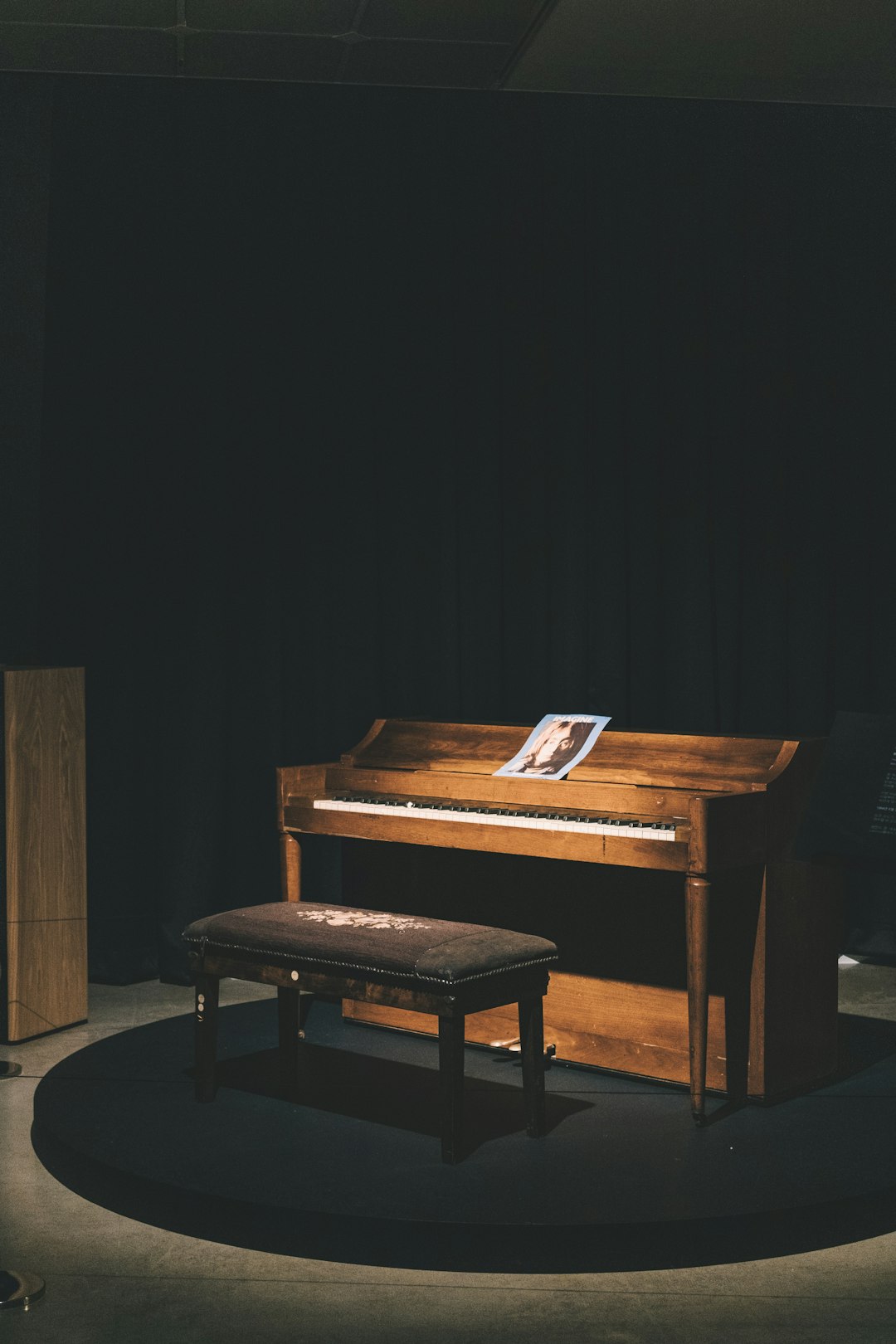
Imagine sitting down at a piano that feels like it was made just for you — every key responding perfectly, every note singing with rich, vibrant tone. That magical connection between pianist and instrument is what the best acoustic piano makers strive to create. But with so many legendary brands out there, how do you choose the one that will become your lifelong musical partner?
In this ultimate guide, we unravel the stories, craftsmanship, and signature sounds behind the world’s top 10 acoustic piano makers — from the iconic Steinway & Sons to the boutique Italian marvel Fazioli. Whether you’re a concert pianist chasing perfection or a passionate hobbyist seeking your first grand, we’ll help you navigate the nuances of design, tone, and innovation to find your perfect match. Plus, stay tuned for insider tips on maintenance, buying smart, and why acoustic pianos still reign supreme in a digital age.
Ready to discover which piano maker will make your music truly sing? Let’s dive in! 🎼
Key Takeaways
- Steinway & Sons, Yamaha, and Kawai dominate the market with a blend of tradition, innovation, and reliability.
- European makers like Bösendorfer, Schimmel, and Fazioli offer unique tonal warmth and handcrafted artistry.
- Grand vs. Upright pianos: Your space and sound goals will guide the best body style choice.
- Materials and craftsmanship deeply impact tone, touch, and longevity — spruce soundboards and precise action mechanisms matter!
- Maintenance and climate control are essential for preserving your piano’s beauty and sound.
- Investment potential varies by brand and condition; high-end concert grands often retain or appreciate in value.
- Try before you buy: nothing replaces the feel of your fingers on the keys when choosing your perfect piano.
👉 Shop top acoustic piano brands:
- Steinway & Sons on Amazon | Steinway Official
- Yamaha Acoustic Pianos on Amazon | Yamaha Official
- Kawai Acoustic Pianos on Amazon | Kawai Official
- Fazioli on Amazon | Fazioli Official
Table of Contents
- ⚡️ Quick Tips and Facts: Your Acoustic Piano Cheat Sheet
- 🎶 The Grand Overture: A Brief History of Acoustic Piano Craftsmanship
- 🤔 Why Acoustic Pianos Still Reign Supreme in a Digital World
- 🔬 Decoding the Magic: What Makes an Acoustic Piano Truly Great?
- 🏆 The Maestros of Melody: Our Top Picks for Acoustic Piano Makers (and Why!)
- 1. 👑 Steinway & Sons: The Legendary American Icon
- 2. 🇯🇵 Yamaha: The Versatile Japanese Powerhouse
- 3. 🇯🇵 Kawai: Innovation and Craftsmanship from Japan
- 4. 🇦🇹 Bösendorfer: Austrian Elegance and Unrivaled Depth
- 5. 🇩🇪 Schimmel: German Precision and Lyrical Tone
- 6. 🇮🇹 Fazioli: The Italian Artisan’s Masterpiece
- 7. 🇩🇪 Steingraeber & Söhne: Bavarian Brilliance and Heritage
- 8. 🇩🇪 Blüthner: The Golden Tone of Leipzig
- 9. 🇩🇪 Sauter: German Engineering with a Unique Voice
- 10. 🇩🇪 Grotrian: A Legacy of German Grandeur
- 🌍 Beyond the Big Names: Other Notable Acoustic Piano Brands Worth Exploring
- 📐 Grand vs. Upright: Which Acoustic Piano Body Style is Right for Your Space and Sound?
- 🌳 The Heart of the Matter: Key Components and Materials in Premium Acoustic Pianos
- 🛒 Navigating the Purchase: Essential Considerations When Buying an Acoustic Piano
- 🧼 Caring for Your Masterpiece: Maintenance Tips for Acoustic Pianos
- 💰 The Investment Perspective: Understanding the Value and Resale of Acoustic Pianos
- 🤝 Which Acoustic Piano Maker Is Right for You? Finding Your Perfect Musical Partner
- 🎉 Conclusion: Your Journey to Acoustic Piano Perfection Begins Now!
- 🔗 Recommended Links: Dive Deeper into the World of Pianos
- ❓ FAQ: Your Most Pressing Acoustic Piano Questions Answered
- 📚 Reference Links: Our Sources and Further Reading
⚡️ Quick Tips and Facts: Your Acoustic Piano Cheat Sheet
Welcome to the wonderful world of acoustic pianos! Before we dive deep into the craftsmanship and legacy of the best acoustic piano makers, here’s a quick cheat sheet from your friends at Piano Brands™ to get you started:
- Acoustic pianos produce sound mechanically via hammers striking strings, unlike digital pianos which use sampled sounds.
- The quality of wood, especially the soundboard (often spruce), dramatically influences tone and resonance.
- Grand pianos generally offer richer sound and better action than uprights but require more space.
- The action mechanism (how the keys respond) is crucial for expressiveness and playability.
- Top brands often handcraft their pianos, requiring months to over a year per instrument.
- Climate and humidity affect tuning stability and wood integrity; maintenance is key.
- The number of keys is usually 88, but Bösendorfer offers extended keyboards with up to 97 keys.
- Pedals vary: most have three, but some brands like Fazioli add a fourth for nuanced control.
- Price and resale value often correlate with brand reputation, craftsmanship, and rarity.
- Famous pianists tend to prefer Steinway & Sons, Bösendorfer, or Fazioli for concert grands.
For a detailed dive into the “Big 4” piano manufacturers and their unique traits, check out our Who are the Big 4 piano manufacturers? guide.
Keep these tips in mind as we explore the legends of acoustic piano making! 🎹
🎶 The Grand Overture: A Brief History of Acoustic Piano Craftsmanship

The acoustic piano is a marvel of engineering and artistry, evolving over centuries. From the early fortepiano invented by Bartolomeo Cristofori around 1700 to the modern concert grand, the instrument has undergone continuous refinement.
The Evolution of Piano Making
- 18th Century: Early pianos had wooden frames and leather-covered hammers, producing a delicate sound.
- 19th Century: Introduction of iron frames allowed higher string tension, richer tone, and larger instruments.
- American Innovations: Steinway & Sons revolutionized piano design with cross-stringing and duplex scaling.
- European Traditions: Brands like Bösendorfer and Blüthner emphasized warm, rich tonal colors and handcrafted excellence.
- Modern Era: Integration of carbon fiber and advanced materials for durability and precision (e.g., Kawai’s Millennium III action).
This rich history is not just about technology but also about the artisans’ passion and the quest for the perfect sound. For a deeper historical perspective, visit our Piano History section.
🤔 Why Acoustic Pianos Still Reign Supreme in a Digital World
You might wonder, with all the digital pianos and keyboards flooding the market, why do acoustic pianos still hold their throne?
The Acoustic Advantage
- Authentic Sound: The physical interaction of hammers, strings, and soundboard creates a dynamic, organic tone that digital samples can only approximate.
- Expressive Touch: The nuanced mechanical action allows for subtle control over dynamics and articulation.
- Aesthetic and Emotional Impact: A grand piano is a centerpiece, inspiring creativity and commanding presence.
- Longevity: Well-maintained acoustic pianos can last for generations, often appreciating in value.
- Resale Value: High-end acoustic pianos often retain or increase their value over time.
That said, digital pianos shine in portability, volume control, and versatility. But if you’re after timeless tone and touch, acoustic is the way to go. Explore more in our Digital Pianos category for comparisons.
🔬 Decoding the Magic: What Makes an Acoustic Piano Truly Great?
What separates a good piano from a great one? Let’s break down the key elements:
1. Materials Matter
- Soundboard: Usually made from Sitka spruce or Italian red spruce; quality and grain affect resonance.
- Strings: High-tensile steel for treble, copper-wound for bass.
- Frame: Cast iron frames provide strength and stability.
- Action Components: Wood, felt, and sometimes carbon fiber (Kawai) for responsiveness.
2. Craftsmanship & Design
- Handcrafting: Many top brands hand-assemble and regulate each piano.
- Scale Design: The precise length, tension, and placement of strings affect tone and sustain.
- Keyboard Action: The weight and balance of keys influence playability.
- Pedal Mechanisms: More pedals allow nuanced control (e.g., Fazioli’s fourth pedal).
3. Sound Characteristics
- Tone Color: Warmth, brightness, clarity, and richness vary by brand and model.
- Dynamic Range: Ability to play from whisper-soft to thunderous forte.
- Sustain & Decay: How long notes resonate and how they fade.
4. Durability & Maintenance
- Climate Resistance: Some brands use materials less sensitive to humidity.
- Tuning Stability: Quality of pins and strings affect how often you need tuning.
Understanding these factors helps you appreciate why some pianos command premium prices and why they sound so special. For a detailed comparison, check out our Piano Comparison guides.
🏆 The Maestros of Melody: Our Top Picks for Acoustic Piano Makers (and Why!)
Ready for the main event? Here’s our detailed rating and analysis of the top acoustic piano makers, based on decades of musician feedback and expert reviews.
1. 👑 Steinway & Sons: The Legendary American Icon
| Aspect | Rating (1-10) |
|---|---|
| Design | 9 |
| Sound Quality | 10 |
| Action | 9 |
| Craftsmanship | 10 |
| Innovation | 8 |
| Resale Value | 10 |
Overview
Founded in 1853 in New York City, Steinway & Sons is synonymous with concert pianos. Their Model D concert grand is the gold standard for concert halls worldwide. Steinway’s patented cross-stringing and diaphragmatic soundboard create a rich, powerful tone with exceptional sustain.
Design & Craftsmanship
- Over 12,000 components meticulously assembled.
- Use of Alaskan Sitka spruce soundboards.
- Hand-finished with exotic woods in the Crown Jewel Collection.
- Takes about 11 months to build each piano.
Sound & Playability
- Warm, balanced tone with a wide dynamic range.
- Responsive action favored by 97% of concert pianists.
- Offers a single upright model (K-52) with the same quality standards.
Drawbacks
- Pricey and limited production (~1,100 pianos/year).
- Some find the tone less bright compared to Yamaha or Kawai.
User Anecdote
One of our team members recalls practicing on a Steinway grand during college — “The moment you touch the keys, you feel like the piano breathes with you. It’s an emotional connection you can’t fake.”
👉 CHECK PRICE on:
2. 🇯🇵 Yamaha: The Versatile Japanese Powerhouse
| Aspect | Rating (1-10) |
|---|---|
| Design | 8 |
| Sound Quality | 8 |
| Action | 8 |
| Craftsmanship | 8 |
| Innovation | 9 |
| Resale Value | 7 |
Overview
Yamaha is the world’s largest piano manufacturer, producing a wide range of instruments from entry-level uprights to concert grands like the CFX. Known for bright, clear tone and consistent quality, Yamaha pianos are a favorite for both beginners and professionals.
Innovations
- Developed the CFX concert grand, praised for its singing tone.
- Uses advanced manufacturing techniques for consistency.
- Offers hybrid models like the AvantGrand series.
Sound & Playability
- Crisp, bright sound with quick action.
- Durable and reliable in various climates.
- Popular models: U1 upright, CFX grand.
Drawbacks
- Some purists find Yamaha’s tone less warm than European brands.
- Mass production can mean less individual character.
User Anecdote
A jazz pianist we know swears by Yamaha uprights for their reliable touch and clear articulation during fast runs.
👉 Shop Yamaha on:
3. 🇯🇵 Kawai: Innovation and Craftsmanship from Japan
| Aspect | Rating (1-10) |
|---|---|
| Design | 8 |
| Sound Quality | 8 |
| Action | 9 |
| Craftsmanship | 8 |
| Innovation | 10 |
| Resale Value | 7 |
Overview
Founded in 1927, Kawai is a specialist in piano manufacturing, known for its Millennium III carbon fiber action that offers durability and lightning-fast repetition. Their Shigeru Kawai line is a concert-level flagship.
Features
- Carbon fiber action parts resist humidity and wear.
- Longer keys for better leverage and control.
- Darker, mellower tone compared to Yamaha.
Drawbacks
- Less brand prestige than Steinway.
- Resale value is good but not top-tier.
User Anecdote
One of our studio pianists loves the smooth, consistent touch of Kawai uprights for recording sessions, especially in humid environments.
👉 Shop Kawai on:
4. 🇦🇹 Bösendorfer: Austrian Elegance and Unrivaled Depth
| Aspect | Rating (1-10) |
|---|---|
| Design | 9 |
| Sound Quality | 10 |
| Action | 8 |
| Craftsmanship | 10 |
| Innovation | 7 |
| Resale Value | 9 |
Overview
Bösendorfer, founded in 1828 in Vienna, is the oldest piano brand still in operation. Known for its warm, majestic tone and the unique Imperial Grand with 97 keys, Bösendorfer pianos are handcrafted masterpieces.
Unique Features
- Use of solid spruce hinge joints instead of veneers.
- Extended keyboard adds depth and range.
- Owned by Yamaha but operates independently.
Drawbacks
- Very limited production (~300 pianos/year).
- Higher maintenance due to complex design.
User Anecdote
A concert pianist once described playing a Bösendorfer as “like speaking in a rich, velvety voice that fills the room with emotion.”
👉 CHECK PRICE on:
5. 🇩🇪 Schimmel: German Precision and Lyrical Tone
| Aspect | Rating (1-10) |
|---|---|
| Design | 8 |
| Sound Quality | 9 |
| Action | 8 |
| Craftsmanship | 9 |
| Innovation | 7 |
| Resale Value | 8 |
Overview
Schimmel, a German brand with roots dating back to 1885, is known for its clear, rich tone and high-quality uprights and grands. Producing around 500 grands and 2,500 uprights annually, Schimmel balances craftsmanship with accessibility.
Highlights
- Offers a range of models from entry-level to concert grands.
- Known for precise action and balanced tone.
- Uses high-quality spruce soundboards.
Drawbacks
- Less global name recognition.
- Some models are less handcrafted compared to Steinway or Bösendorfer.
👉 Shop Schimmel on:
6. 🇮🇹 Fazioli: The Italian Artisan’s Masterpiece
| Aspect | Rating (1-10) |
|---|---|
| Design | 10 |
| Sound Quality | 10 |
| Action | 9 |
| Craftsmanship | 10 |
| Innovation | 9 |
| Resale Value | 9 |
Overview
Founded in 1981 by Paolo Fazioli, this Italian boutique brand produces fewer than 150 pianos a year, each taking 2-3 years to build. Fazioli is famous for its extraordinary tone, beautiful design, and the fourth pedal that softens sound without tonal change.
Features
- Uses Italian red spruce and gold-plated hinges.
- Longest concert grand (F308) at over 10 feet.
- Customizable finishes and designs.
Drawbacks
- Very high price point.
- Limited availability and long wait times.
User Anecdote
A professional pianist told us, “Playing a Fazioli is like having a conversation with a living instrument — every nuance is crystal clear and deeply expressive.”
👉 CHECK PRICE on:
7. 🇩🇪 Steingraeber & Söhne: Bavarian Brilliance and Heritage
| Aspect | Rating (1-10) |
|---|---|
| Design | 9 |
| Sound Quality | 9 |
| Action | 8 |
| Craftsmanship | 9 |
| Innovation | 8 |
| Resale Value | 8 |
Overview
A family-run German company since 1852, Steingraeber & Söhne is known for its innovative features like the “Mozart Rail” and climate-resistant carbon fiber soundboards. Their upright Model 122 has unique “twist and change” panels.
Highlights
- Focus on professional-grade instruments.
- Combines tradition with modern materials.
- Offers magnetic action uprights for precise touch.
Drawbacks
- Smaller production scale.
- Less known outside Europe.
👉 Shop Steingraeber on:
8. 🇩🇪 Blüthner: The Golden Tone of Leipzig
| Aspect | Rating (1-10) |
|---|---|
| Design | 8 |
| Sound Quality | 9 |
| Action | 8 |
| Craftsmanship | 9 |
| Innovation | 7 |
| Resale Value | 8 |
Overview
Founded in 1853, Blüthner is famous for its “golden tone” achieved through a unique fourth string on most notes and meticulous engineering. Their crystal-clear sound and elegant design make them a favorite among pianists seeking warmth and clarity.
Popular Models
- Model B (upright) and Model S (proportioned design).
- Blüthner Lucid series: crystal pianos for luxury collectors.
Drawbacks
- Some find the tone too mellow for certain genres.
- Limited dealer network outside Europe.
👉 Shop Blüthner on:
9. 🇩🇪 Sauter: German Engineering with a Unique Voice
| Aspect | Rating (1-10) |
|---|---|
| Design | 9 |
| Sound Quality | 8 |
| Action | 9 |
| Craftsmanship | 9 |
| Innovation | 8 |
| Resale Value | 7 |
Overview
Sauter is known for its sleek, modern designs and patented R2 Double Escapement action allowing fast repetition. Their sound is often described as bell-like and clear, with a focus on precision.
Unique Points
- Uses Alpine spruce for soundboards.
- Metal components made from pure titanium.
- Artistic designs by Peter Maly, including glass pianos.
Drawbacks
- Less traditional sound may not suit all tastes.
- Smaller production volume.
👉 Shop Sauter on:
10. 🇩🇪 Grotrian: A Legacy of German Grandeur
| Aspect | Rating (1-10) |
|---|---|
| Design | 8 |
| Sound Quality | 9 |
| Action | 8 |
| Craftsmanship | 9 |
| Innovation | 7 |
| Resale Value | 8 |
Overview
Grotrian, established in the 19th century, is known for its star-shaped back frame patented in 1905, which enhances structural stability and sound projection. Their pianos offer sustained treble, powerful bass, and a light attack.
Highlights
- Combines tradition with subtle modern improvements.
- Offers grand and upright pianos with rich tonal palette.
Drawbacks
- Less widespread availability.
- Some models are niche and handcrafted in small batches.
👉 Shop Grotrian on:
🌍 Beyond the Big Names: Other Notable Acoustic Piano Brands Worth Exploring
While the giants dominate, several other brands deserve a shout-out for their unique qualities:
- C. Bechstein: Known for voice-like tone and museum-quality craftsmanship.
- Baldwin: American brand with rich history and warm tone.
- Mason & Hamlin: Heavy, powerful pianos with a loyal following.
- Boston and Essex: Steinway-designed, more affordable lines.
- Fritz Dobbert: Boutique German pianos with vintage charm.
Exploring these brands can uncover hidden gems tailored to your taste and budget. For more, visit our Piano Brand Guides.
📐 Grand vs. Upright: Which Acoustic Piano Body Style is Right for Your Space and Sound?
Choosing between a grand and an upright piano is like deciding between a sports car and a luxury sedan — both have their charm but serve different needs.
Grand Piano
- Pros:
- Superior sound projection and tonal richness.
- Responsive action with longer keys.
- Visual centerpiece for homes or studios.
- Cons:
- Requires significant space.
- Higher cost and maintenance.
Upright Piano
- Pros:
- Compact footprint ideal for apartments or small rooms.
- More affordable.
- Easier to move.
- Cons:
- Less dynamic range and tonal depth.
- Action is generally less responsive.
Quick Comparison Table
| Feature | Grand Piano | Upright Piano |
|---|---|---|
| Size | Large (5-9 ft) | Compact (3-5 ft) |
| Sound Quality | Rich, full, dynamic | Good but limited |
| Action | Superior | Adequate |
| Price Range | Higher | More affordable |
| Space Requirement | High | Low |
Your choice depends on your space, budget, and musical goals. Need help deciding? Check our Piano Buying Guide.
🌳 The Heart of the Matter: Key Components and Materials in Premium Acoustic Pianos
Let’s peek under the lid and see what makes these pianos sing.
Soundboard
- The “lungs” of the piano, usually made from spruce.
- Quality spruce has tight, straight grain for optimal resonance.
Strings
- Made of high-tensile steel for treble.
- Bass strings are wrapped with copper for depth.
Frame
- Cast iron frame withstands string tension (~20 tons).
- Provides stability and longevity.
Action Mechanism
- Composed of wood, felt, and sometimes carbon fiber.
- Responsible for translating key presses into hammer strikes.
Pedals
- Standard: Damper (sustain), Soft (una corda), Sostenuto.
- Some brands add a fourth pedal for tonal control (e.g., Fazioli).
Understanding these parts helps you appreciate the complexity and beauty of acoustic pianos. For more technical insights, visit our Piano Brand Guides.
🛒 Navigating the Purchase: Essential Considerations When Buying an Acoustic Piano
Buying an acoustic piano is a major investment and a lifelong companion. Here’s how to make the best choice:
Step 1: Define Your Needs
- Space available
- Intended use (practice, performance, recording)
- Budget range
Step 2: Research Brands and Models
- Use our detailed reviews above.
- Visit showrooms to test different pianos.
- Consider new vs. used — used can offer value but requires inspection.
Step 3: Inspect the Piano
- Check tuning stability.
- Examine action responsiveness.
- Look for cracks or damage in the soundboard and keys.
Step 4: Consider Maintenance Costs
- Regular tuning (2-4 times/year).
- Voicing and regulation by a technician.
- Climate control to prevent damage.
Step 5: Purchase and Delivery
- Arrange professional moving.
- Allow time for acclimation before tuning.
Our Piano Buying Guide has a full checklist and tips to make your purchase smooth and satisfying.
🧼 Caring for Your Masterpiece: Maintenance Tips for Acoustic Pianos
To keep your piano sounding heavenly for decades:
- Tune regularly: At least twice a year, more if new or in fluctuating climates.
- Control humidity: Ideal range is 40-50%. Use humidifiers or dehumidifiers.
- Keep it clean: Dust keys and surfaces with a soft cloth; avoid harsh chemicals.
- Avoid direct sunlight and heat sources: Prevent warping and fading.
- Professional servicing: Regulation and voicing every few years to maintain action and tone.
Remember, a well-maintained piano is a joy to play and a valuable asset. For detailed care advice, visit our Piano Brand Guides.
💰 The Investment Perspective: Understanding the Value and Resale of Acoustic Pianos
Buying an acoustic piano is not just about music — it’s also an investment.
Factors Affecting Value
- Brand reputation (Steinway & Sons, Bösendorfer, Fazioli hold high resale).
- Condition and maintenance history.
- Rarity and model.
- Market demand.
Resale Tips
- Keep original documentation.
- Maintain regular tuning and servicing.
- Store in stable climate conditions.
- Consider professional appraisal before sale.
While some pianos appreciate over time, many depreciate like cars. However, high-end concert grands often retain or increase value, especially limited editions or vintage models.
🤝 Which Acoustic Piano Maker Is Right for You? Finding Your Perfect Musical Partner
Choosing your piano is like choosing a soulmate — it must resonate with your style, needs, and dreams.
Ask Yourself:
- Do you want a bright, clear tone (Yamaha) or a warm, rich voice (Bösendorfer, Blüthner)?
- Is innovation and durability important (Kawai, Steingraeber)?
- Do you prefer artisan craftsmanship and exclusivity (Fazioli, Steinway)?
- What is your space and budget?
- Are you a professional performer or a hobbyist?
Our Recommendation
- For concert pianists: Steinway & Sons, Fazioli, or Bösendorfer.
- For versatile home use: Yamaha or Kawai.
- For boutique craftsmanship: Schimmel, Steingraeber, or Blüthner.
- For unique design and sound: Sauter or Grotrian.
Try before you buy! Nothing beats the feel of your fingers dancing on the keys. Our Piano Buying Guide can help you prepare for your visit.
Ready to find your perfect acoustic piano? Stay tuned for our conclusion and FAQs coming up next! 🎹
🎉 Conclusion: Your Journey to Acoustic Piano Perfection Begins Now!

Wow, what a journey! We’ve explored the rich history, technical marvels, and legendary makers behind the finest acoustic pianos on the planet. From the timeless elegance of Steinway & Sons, the innovative spirit of Kawai, to the artisan mastery of Fazioli, each brand offers a unique voice and personality that can transform your musical expression.
Quick Recap of Our Top Picks
| Brand | Positives | Negatives | Our Take |
|---|---|---|---|
| Steinway & Sons | Legendary tone, unmatched craftsmanship, resale value | High cost, limited models | The gold standard for concert pianists and collectors. Worth every penny if you can afford it. |
| Yamaha | Consistent quality, bright tone, versatile lineup | Less warm tone, mass production feel | Ideal for beginners to professionals seeking reliability and value. |
| Kawai | Innovative carbon fiber action, durable, smooth touch | Less prestigious brand image | Perfect for those who want cutting-edge technology with traditional feel. |
| Bösendorfer | Warm, majestic tone, extended keyboard options | Expensive, limited production | For pianists craving a deep, rich sound with historic pedigree. |
| Fazioli | Exquisite design, unique fourth pedal, boutique production | Very high price, long wait times | The ultimate artisan piano for connoisseurs and performers seeking exclusivity. |
Final Thoughts
Choosing an acoustic piano is deeply personal. It’s about finding your musical soulmate — the instrument that inspires you every day. Whether you’re a professional concert pianist or a passionate hobbyist, the perfect piano is out there waiting to sing with your fingers.
Remember, the best piano is the one you love to play. So, take your time, try different brands, and trust your ears and heart. We hope our guide lights the way for you on this exciting adventure.
Ready to start playing? Your perfect acoustic piano awaits! 🎹✨
🔗 Recommended Links: Dive Deeper into the World of Pianos
Looking to explore or shop for your dream piano? Here are some handy links to get you started:
-
Steinway & Sons:
Amazon Search | Steinway Official Website -
Yamaha Acoustic Pianos:
Amazon Search | Yamaha Official Website -
Kawai Acoustic Pianos:
Amazon Search | Kawai Official Website -
Bösendorfer:
Amazon Search | Bösendorfer Official Website -
Fazioli:
Amazon Search | Fazioli Official Website -
Schimmel:
Amazon Search | Schimmel Official Website -
Steingraeber & Söhne:
Steingraeber Official Website -
Blüthner:
Blüthner Official Website -
Sauter:
Sauter Official Website -
Grotrian:
Grotrian Official Website
Recommended Books on Piano Craftsmanship and History
-
Pianos and Their Makers by Alfred Dolge — A classic deep dive into piano history and makers.
Amazon Link -
The Piano Book by Larry Fine — A comprehensive guide to buying and caring for pianos.
Amazon Link -
Steinway & Sons by Richard K. Lieberman — The story of the iconic piano maker.
Amazon Link
❓ FAQ: Your Most Pressing Acoustic Piano Questions Answered

What are the top-rated acoustic piano brands for beginners?
For beginners, Yamaha and Kawai are often recommended due to their consistent quality, durability, and affordability. Yamaha’s U1 upright is a classic starter piano with bright tone and reliable action, while Kawai’s uprights offer smooth touch and innovative carbon fiber components that resist humidity — a plus for home use. These brands provide a great balance of quality and value, making them ideal for those new to the instrument.
Read more about “12 Most Popular Acoustic Piano Manufacturers to Know in 2025 🎹”
How do I choose the best acoustic piano for my home or studio?
Start by considering:
- Space: Uprights for smaller rooms; grands if you have the room and budget.
- Sound preference: Bright and clear (Yamaha), warm and rich (Bösendorfer, Blüthner).
- Budget: New vs. used, brand reputation, and maintenance costs.
- Usage: Professional performance demands concert grands; hobbyists may prefer uprights.
- Try before you buy: Visit showrooms and play multiple brands.
Our Piano Buying Guide offers a step-by-step approach to help you make an informed decision.
What are the key differences between European and Asian acoustic piano makers?
European brands like Steinway (American-European heritage), Bösendorfer, Blüthner, and Fazioli emphasize handcrafted artistry, warm tonal colors, and traditional materials such as solid spruce soundboards and exotic woods. Their pianos often have a richer, more complex tonal palette.
Asian makers like Yamaha and Kawai focus on precision manufacturing, innovation, and consistency. Their pianos tend to have a brighter, more direct sound and incorporate modern materials like carbon fiber for durability.
Both traditions produce world-class instruments; your choice depends on tonal preference and playing style.
Are high-end acoustic pianos worth the investment for professional pianists?
✅ Absolutely! High-end pianos like Steinway & Sons, Fazioli, and Bösendorfer offer unparalleled tonal richness, responsive action, and craftsmanship that can elevate a professional’s performance and recording quality. They also tend to retain or appreciate in value, making them sound investments.
❌ However, if you’re a beginner or casual player, investing in a high-end grand may be unnecessary. Mid-range brands like Yamaha or Kawai provide excellent quality for most players at a fraction of the cost.
Read more about “Are Kawai Pianos Worth the Extra Cost? 7 Features Compared 🎹 (2025)”
How often should I tune and maintain my acoustic piano?
- Tuning: At least twice a year; more frequently if new or in fluctuating climates.
- Regulation and voicing: Every 3-5 years by a professional technician.
- Humidity control: Maintain 40-50% humidity to prevent wood damage.
- Cleaning: Regular dusting and careful key cleaning.
Proper maintenance preserves your piano’s tone, touch, and value.
Read more about “🎹 8 Advantages & Disadvantages of Owning a Piano from the Big 4 (2025)”
Can I buy a used acoustic piano with confidence?
Yes, but with caution:
- Have a qualified technician inspect it for structural issues, soundboard cracks, and action wear.
- Check the tuning stability and key responsiveness.
- Research the brand and model’s reputation.
- Buying from reputable dealers or certified pre-owned programs reduces risk.
Used pianos can offer excellent value if well-maintained.
📚 Reference Links: Our Sources and Further Reading
- Steinway & Sons Official Site
- Yamaha Acoustic Pianos
- Kawai Official Website
- Bösendorfer Official Website
- Fazioli Official Website
- Schimmel Official Website
- Steingraeber & Söhne
- Blüthner Pianos
- Sauter Pianos
- Grotrian Pianos
For a comprehensive overview, check out the excellent article All About The Most Popular Piano Brands | Pianote:
https://www.pianote.com/blog/piano-brands/
Thanks for joining us on this deep dive into the best acoustic piano makers! We hope you feel empowered to find the piano that will be your lifelong musical companion. 🎹✨



I don’t have enough details to provide but would like your opinion on Hardman baby grand pianos. I only know it’s tuned and visually in very good condition.
Thank you. Paul
Thanks for the question! Hardman baby grands can be solid instruments, but the make‑year matters more than the name on the fallboard.
* **Pre‑1930 New‑York‑built** Hardmans are well‑crafted “golden‑age” pianos; if they’ve been lovingly maintained they can sound lovely.
* **Modern Hardmans** (1990s‑present, built by Pearl River in China under the Hardman badge) are decent entry‑level grands—reliable, but priced and voiced like other budget Asian pianos.
A quick check of recent listings shows clean used Hardman baby grands trading roughly **\$3 k–\$5 k**; pristine vintage examples or recent showroom models can climb higher. Whatever the era, get a technician to inspect the soundboard, pinblock, and action before you buy—the \$100 evaluation can save thousands later.
Bottom line: if it plays evenly, holds tune, and the tech gives a thumbs‑up, a Hardman baby grand can be a good, affordable choice.