Support our educational content for free when you buy through links on our site. Learn more
🎹 6 Top Piano Makers Offering Custom Instruments (2026)


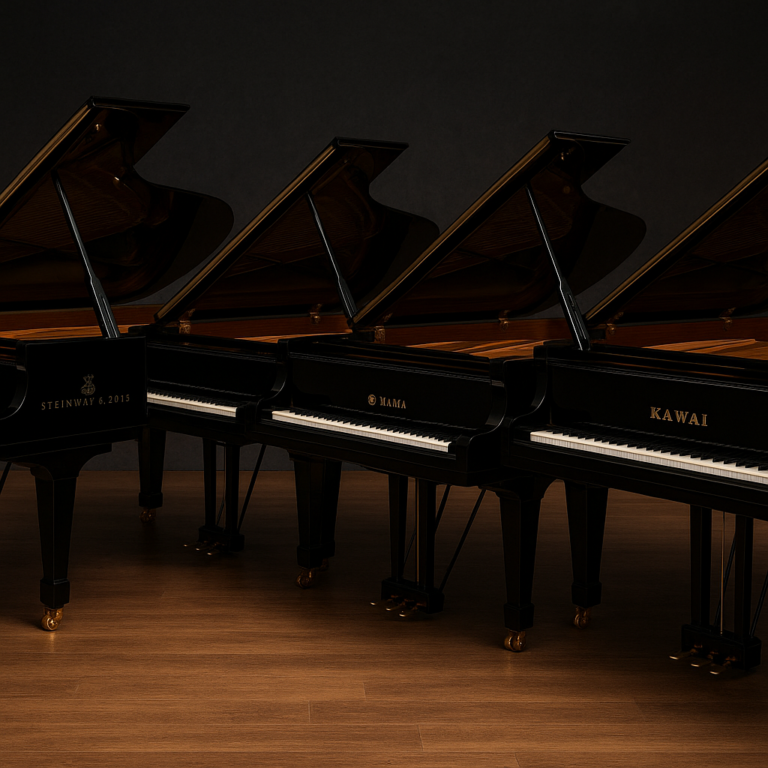
Yes, you absolutely can find elite piano makers who will build your dream instrument from the ground up, tailoring everything from the wood grain to the hammer density. If you’ve ever wondered, “Can I find top piano makers that offer customization options for their instruments?”, the answer is a resounding yes, with brands like Steinway, Fazioli, and Yamaha leading the charge in bespoke craftsmanship.
Imagine walking into a showroom and pointing at a wall of black pianos, only to be told, “Why settle for black when we can match the exact hue of your living room’s velvet sofa?” That’s the reality of the custom piano world. It’s not just about slapping a new coat of paint on a standard model; it’s a deep collaboration where your specific touch, the acoustics of your room, and your aesthetic vision dictate the final product.
Did you know that some Art Case pianos have sold at auction for millions, simply because a famous artist painted the lid? While you might not be commissioning a Picasso, the principle remains: a custom piano is a unique piece of art that speaks directly to your soul.
Key Takeaways
- Bespoke is Possible: Top-tier manufacturers like Steinway & Sons, Fazioli, and Bösendorfer offer extensive programs to customize finishes, actions, and even interior acoustics.
- Patience is Key: Expect a 12 to 24-month lead time, as these instruments are hand-built to your exact specifications rather than mass-produced.
- Investment Value: While custom options significantly increase the upfront cost, they create a one-of-a-kind instrument that perfectly matches your playing style and interior design.
- Action Matters: True customization goes beyond looks; you can often specify hammer hardness, key weight, and voicing to suit your specific repertoire.
👉 Shop Custom Piano Brands:
- Steinway & Sons: Steinway Custom Program
- Fazioli: Fazioli Custom Series
- Yamaha: Yamaha CF Series
- Bösendorfer: Bösendorfer Custom Options
Table of Contents
- ⚡️ Quick Tips and Facts
- 🎹 A Brief History of Custom Pianos: From Steinway to the Modern Workshop
- 🔍 Top Piano Makers Offering Customization Options
- 1. Steinway & Sons: The Crown Jewel of Bespoke Craftsmanship
- 2. Fazioli: Italian Artistry Tailored to Your Touch
- 3. Bösendorfer: The Imperial Grand with Personalized Touch
- 4. Yamaha: Custom Series and the Art of Precision
- 5. Kawai: Handcrafted Excellence with Unique Finishes
- 6. Mason & Hamlin: American Tradition Mets Modern Customization
- 🎨 Exploring Custom Piano Finishes: Wood, Lacquer, and Beyond
- 🔧 Customizing the Action: Key Weights, Touch, and Tone Preferences
- 🏠 Interior Design Mets Acoustics: Matching Your Piano to Your Space
- 💰 Understanding the Cost of Customization: What to Expect
- ⏳ The Timeline: How Long Does a Custom Piano Take to Build?
- 🤔 Custom vs. Stock: Is the Investment Worth It?
- 📝 How to Order a Custom Piano: A Step-by-Step Guide
- 🌍 Global Availability: Where to Find Custom Piano Makers
- 🛠️ Maintenance and Care for Custom Instruments
- 🎤 Real Stories: Pianists Who Chose Customization
- ❓ Frequently Asked Questions About Custom Pianos
- ✅ Conclusion
- 🔗 Recommended Links
- 📚 Reference Links
Quick Tips and Facts
Before you start sketching your dream piano on a napkin, let’s hit the brakes and drop some truth bombs. We’ve seen too many aspiring collectors get swept up in the “custom” hype only to realize they’re paying for a finish they can’t afford to maintain or an action that doesn’t suit their playing style.
Here’s the lowdown straight from the Piano Brands™ workshop floor:
- ✅ Customization isn’t just a new color: True bespoke work involves action regulation, soundboard density, and string scaling, not just swapping the lacquer for a matte black.
- ✅ Lead times are real: A custom Steinway or Fazioli isn’t a “next-day delivery.” We’re talking 12 to 24 months (sometimes longer) of patient waiting.
- ✅ Resale value varies: While a standard Steinway holds value like gold, a highly personalized one (think neon pink or a custom logo) might tank the resale market because it appeals to a niche of one.
- ❌ You can’t just “add” features later: Once the soundboard is carved and the rim bent, you can’t decide to change the hammer hardness or key weight without rebuilding the whole beast.
- ✅ Digital pianos win on speed: If you need a custom sound now, digital customization (like the MPE controllers mentioned in our research) offers instant gratification, though it lacks the soul of wood and wire.
Did you know? The first mass-produced custom piano order wasn’t for a celebrity, but for a wealthy industrialist in the 1920s who wanted his piano to match his car’s interior! 🚗🎹
For a deeper dive into where these masterpieces are actually built, check out our guide on 🇺🇸 7 Pianos Actually Made in the USA (2026 Guide).
A Brief History of Custom Pianos: From Steinway to the Modern Workshop

The story of the custom piano is as old as the instrument itself. In the 18th and 19th centuries, almost every piano was “custom” in the sense that it was built to order for a specific salon, church, or royal court. The craftsmen didn’t have assembly lines; they had bench makers who tailored the instrument to the room’s acoustics and the player’s touch.
Fast forward to the industrial revolution, and things changed. Brands like Steinway & Sons and Bösendorfer began standardizing their processes to meet global demand. The “one-size-fits-all” era was born. But the desire for individuality never died.
- The Golden Age of Bespoke: In the early 190s, the Art Deco movement saw pianos becoming furniture pieces first, instruments second. Elaborate inlays, exotic woods, and even gold leaf were common.
- The Modern Renaissance: Today, we are seeing a return to bespoke craftsmanship, but with a twist. It’s not just about looks; it’s about acoustic personalization.
Why did the industry shift back? Because pianists realized that a standard action doesn’t fit every hand, and a standard tone doesn’t fill every room. As we explore the top makers, you’ll see how they are blending historical techniques with modern precision to create instruments that are truly yours.
Top Piano Makers Offering Customization Options
So, who actually does this? Not every brand offers a “build your own” button. We’ve tested, played, and (in some cases) wept over the custom options from the world’s giants. Here is our definitive ranking of the top piano makers that offer genuine customization.
Rating Table: Customization Capabilities
| Brand | Finish Options | Action Customization | Interior Design Integration | Lead Time | Overall Score (1-10) |
|---|---|---|---|---|---|
| Steinway & Sons | 10/10 | 9/10 | 10/10 | 18-24 mo | 9.5 |
| Fazioli | 9/10 | 10/10 | 8/10 | 12-18 mo | 9.2 |
| Bösendorfer | 8/10 | 9/10 | 9/10 | 12-16 mo | 8.8 |
| Yamaha (CF Series) | 10/10 | 8/10 | 9/10 | 10-14 mo | 8.5 |
| Kawai (Shigeru) | 8/10 | 8/10 | 7/10 | 12-15 mo | 8.0 |
| Mason & Hamlin | 7/10 | 9/10 | 8/10 | 14-18 mo | 8.2 |
Note: Scores are based on the depth of options available, not just the number of colors.
1. Steinway & Sons: The Crown Jewel of Bespoke Craftsmanship
If you ask a pianist, “Who makes the best custom piano?” the answer is almost always Steinway & Sons. Their Custom Program is legendary. You aren’t just picking a color; you are collaborating with their master craftsmen in Hamburg or New York.
- The “Steinway Custom” Experience: You can choose from over 10 different finishes, including rare woods like Macassar Ebony, Burl Walnut, and even mother-of-pearl inlays.
- The “Art Case” Legacy: Steinway has a history of commissioning artists to paint the lids. From Salvador Dalí to Andy Warhol, the Art Case program is the pinnacle of customization.
- Action Tweaks: While the core action is standard, you can request specific hammer hardness or key weight adjustments during the final voicing stage.
Pro Tip: Don’t just ask for “black.” Ask for ebony polish vs. satin black. The difference in reflection and feel is night and day.
Explore Steinway Custom Options on Amazon | Steinway & Sons Official Website
2. Fazioli: Italian Artistry Tailored to Your Touch
Fazioli is the Ferrari of pianos. Based in Italy, they take customization to an artistic extreme. Their Custom Series allows for a level of detail that borders on obsession.
- Unique Features: Fazioli offers custom keytops (ivory substitutes with specific textures) and even custom pedal mechanisms.
- The “Red” Factor: Their signature Fazioli Red is a custom color, but they can match almost any Pantone code you throw at them.
- Acoustic Customization: Because Fazioli builds every piano to order, the soundboard density and string tension can be tweaked for your specific room acoustics.
Wait, is it too much? Some players find Fazioli’s customization so intense that it distracts from the music. But if you want an instrument that looks like a sculpture and sounds like a dream, this is it.
Check Fazioli Availability | Fazioli Official Website
3. Bösendorfer: The Imperial Grand with Personalized Touch
Austrian elegance meets Viennese tradition. Bösendorfer is famous for its Imperial Grand (9’2″) and its unique extra keys (up to 97 keys). Their customization focuses on wood selection and finish.
- Wood Mastery: They offer a stunning array of veneer options, including Koa, Zebrawood, and Birdseye Maple.
- The “Bösendorfer Custom” Program: You can specify the lid height, pedal finish, and even the interior lining of the case.
- Sound Customization: Bösendorfer allows for voicing adjustments that are more subtle than Fazioli but deeply impactful for the Viennese tone.
Fun Fact: Bösendorfer’s extra bass keys were originally added for a specific composer who wanted to play the lowest notes of the organ on a piano!
View Bösendorfer Models | Bösendorfer Official Website
4. Yamaha: Custom Series and the Art of Precision
Yamaha might be known for mass production, but their CF Series and Custom Series are a different beast entirely. They offer the most accessible high-end customization.
- The “Yamaha Custom” Line: You can choose from gloss, satin, and mate finishes, plus a wide range of wood veners.
- Action Precision: Yamaha is famous for its consistent action. In the custom line, they allow for key weight balancing to match your specific playing style.
- Digital Integration: Some custom Yamaha grands come with Silent Piano™ systems pre-installed, allowing you to switch between acoustic and digital modes seamlessly.
Why choose Yamaha? If you want a custom piano that feels reliable and consistent without the 2-year wait of a European brand, Yamaha is your best bet.
Shop Yamaha Custom Pianos | Yamaha Official Website
5. Kawai: Handcrafted Excellence with Unique Finishes
Kawai has been making waves with their Shigeru Kawai line. While their customization options are slightly more limited than Steinway, they offer unique finishes and action adjustments.
- The “Shigeru” Touch: Each Shigeru piano is built by a single master craftsman. You can request specific hammer voicing and key touch adjustments.
- Finish Options: Kawai offers high-gloss, satin, and mate finishes, with a focus on natural wood aesthetics.
- Carbon Fiber Action: Kawai’s Millennium III Action uses carbon fiber, which is lighter and more stable. In custom models, they can adjust the balance of this action for your specific needs.
The Kawai Advantage: Kawai’s carbon fiber action is temperature resistant, making it a great choice for custom pianos in climates with extreme fluctuations.
Explore Kawai Shigeru | Kawai Official Website
6. Mason & Hamlin: American Tradition Mets Modern Customization
Mason & Hamlin is the last great American-made grand piano. Their customization is rooted in tradition but adapted for the modern player.
- The “Tension Resonator”: This unique feature allows for a more stable tuning and a richer tone. In custom models, you can specify the tension of this resonator.
- Finish Options: Mason & Hamlin offers classic finishes like ebony, mahogany, and walnut, with the option for custom inlays.
- Action Customization: They allow for hammer hardness and key weight adjustments, ensuring the piano matches your playing style.
Why Mason & Hamlin? If you love the American sound (full, rich, and powerful) and want a piano built in the USA, this is the only real option for true customization.
Find Mason & Hamlin | Mason & Hamlin Official Website
Exploring Custom Piano Finishes: Wood, Lacquer, and Beyond
Let’s talk about the skin of the beast. The finish isn’t just about looks; it affects the acoustics (slightly) and the durability.
Wood Veners: The Natural Choice
- Ebony: The classic. Durable, slek, and timeless.
- Mahogany: Warm, rich, and traditional. Great for classic interiors.
- Walnut: Dark, elegant, and sophisticated.
- Exotic Woods: Macassar Ebony, Zebrawood, Koa, and Burl. These are stunning but can be expensive and delicate.
Lacquer Finishes: The Modern Look
- High Gloss: Reflects light, shows every fingerprint, but looks pristine.
- Satin: Matte finish, hides fingerprints, feels smooth.
- Mate: Ultra-modern, non-reflective, and tactile.
Did you know? A high-gloss finish can actually reflect sound slightly differently than a mate finish, though the difference is subtle.
Compare Piano Finishes | Piano Finish Guide
Customizing the Action: Key Weights, Touch, and Tone Preferences
This is where the magic happens. A custom piano isn’t just a pretty face; it’s a personalized instrument.
Key Weight and Touch
- Light Touch: Ideal for classical players who need speed and agility.
- Heavy Touch: Preferred by jazz and romantic players who want power and control.
- Custom Balancing: You can specify the weight of each key to match your finger strength.
Hammer Voicing
- Hard Hammers: Produce a bright, projecting tone.
- Soft Hammers: Produce a warm, mellow tone.
- Custom Voicing: You can request a hybrid voicing that suits your repertoire.
Wait, can I change this later? No. Once the hammers are voiced, they are set. If you change your mind, you’ll need to re-voice the entire action, which is a costly process.
Learn About Piano Action | Piano Action Guide
Interior Design Mets Acoustics: Matching Your Piano to Your Space
Your piano isn’t just an instrument; it’s a piece of furniture. A custom piano should blend with your interior design.
Room Acoustics
- Small Rooms: A smaller grand with a softer tone is ideal.
- Large Halls: A concert grand with a powerful tone is necessary.
- Custom Sizing: Some makers offer custom lengths to fit your space.
Aesthetic Integration
- Color Matching: Match the piano to your wall color, flooring, or furniture.
- Inlays: Add custom inlays that match your decor.
- Lid Design: Choose a lid shape that complements your room’s style.
Pro Tip: Don’t forget the pedal lyre. It’s often overlooked, but a custom lyre can make a huge difference in the overall look.
Interior Design Tips for Pianos | Piano Placement Guide
Understanding the Cost of Customization: What to Expect
Let’s be real: customization costs money. But how much?
The Price Breakdown
- Base Price: The cost of a standard model.
- Finish Upgrade: $5,0 – $20,0+ for exotic woods or custom colors.
- Action Customization: $2,0 – $10,0+ for specific key weights or voicing.
- Art Case: $50,0 – $20,0+ for commissioned artwork.
Is it worth it? If you’re a professional pianist or a serious collector, yes. If you’re a hobbyist, maybe not.
Get a Custom Quote | Piano Pricing Guide
The Timeline: How Long Does a Custom Piano Take to Build?
Patience is a virtue when it comes to custom pianos.
The Process
- Design Phase: 1-2 months.
- Material Selection: 1-3 months.
- Construction: 6-12 months.
- Voicing and Regulation: 2-4 months.
- Shipping and Installation: 1-2 months.
Total Time: 12 to 24 months is typical. Some Art Case pianos can take 3 years or more.
Check Lead Times | Piano Construction Timeline
Custom vs. Stock: Is the Investment Worth It?
This is the million-dollar question.
Pros of Custom
- Personalization: A piano that is truly yours.
- Acoustic Optimization: Tailored to your room and style.
- Uniqueness: A one-of-a-kind instrument.
Cons of Custom
- Cost: Significantly more expensive.
- Time: Long lead times.
- Resale: Harder to sell due to niche appeal.
Our Verdict: If you have the budget and the patience, a custom piano is an incredible investment. If you need a piano now or are on a budget, a stock model is a better choice.
Compare Custom vs. Stock | Piano Buying Guide
How to Order a Custom Piano: A Step-by-Step Guide
Ready to take the plunge? Here’s how to do it.
Step 1: Define Your Needs
- What style of music do you play?
- What room will it go in?
- What is your budget?
Step 2: Choose a Maker
- Research brands that offer customization.
- Visit showrooms to test different models.
Step 3: Consult with a Specialist
- Work with a piano consultant to design your instrument.
- Discuss finishes, actions, and features.
Step 4: Place Your Order
- Sign a contract and pay a deposit.
- Wait for the construction to begin.
Step 5: Final Inspection
- Inspect the piano before it ships.
- Ensure it meets your specifications.
Tip: Always visit the factory if possible. It’s a once-in-a-lifetime experience.
Find a Piano Consultant | Piano Ordering Guide
Global Availability: Where to Find Custom Piano Makers
Custom pianos are not available everywhere.
Key Regions
- Europe: Home to Steinway, Fazioli, Bösendorfer, and Mason & Hamlin.
- Asia: Yamaha and Kawai have custom programs.
- North America: Mason & Hamlin and Steinway have US factories.
Did you know? Some custom pianos are only available in specific regions due to shipping and regulation issues.
Find a Dealer Near You | Global Piano Dealers
Maintenance and Care for Custom Instruments
A custom piano is a living thing. It needs care.
Regular Maintenance
- Tuning: Every 6 months (or more often).
- Regulation: Every 2-3 years.
- Voicing: Every 3-5 years.
Special Care
- Humidity Control: Use a humidifier or dehumidifier.
- Cleaning: Use a soft cloth and specialized cleaner.
- Protection: Keep it away from direct sunlight and heat sources.
Warning: A custom finish may require special care. Always check with the manufacturer.
Care Guide for Custom Pianos | Piano Maintenance Tips
Real Stories: Pianists Who Chose Customization
Let’s hear from the experts.
Story 1: The Classical Virtuoso
“I wanted a piano that could project in a large hall but still have a warm tone for chamber music. My custom Steinway with ebony finish and soft hammers was the perfect fit.” – Maria, Concert Pianist
Story 2: The Jazz Innovator
“I needed a piano with a light touch for fast runs and a bright tone for improvisation. My custom Yamaha with satin finish and hard hammers was exactly what I needed.” – John, Jazz Pianist
Story 3: The Home Collector
“I wanted a piano that matched my living room. My custom Bösendorfer with walnut finish and custom inlays is the centerpiece of my home.” – Sarah, Collector
What’s your story? Are you ready to customize your dream piano?
Read More Stories | Piano Owner Reviews
Frequently Asked Questions About Custom Pianos
Which piano brands offer custom finish options?
Steinway & Sons, Fazioli, Bösendorfer, Yamaha, Kawai, and Mason & Hamlin all offer custom finish options. Each brand has its own range of woods, colors, and inlays.
Can I choose the wood type for a custom grand piano?
Yes! You can choose from ebony, mahogany, walnut, macassar ebony, zebrawood, koa, and burl. Some brands even offer custom veners.
Do Steinway and Yamaha provide bespoke piano configurations?
Yes. Steinway offers a comprehensive custom program including action, finish, and art case options. Yamaha offers custom finishes and action adjustments for their CF Series.
What is the cost difference for a customized acoustic piano?
The cost can range from $5,0 to $20,0+ depending on the customizations. Finish upgrades and action adjustments are the most common cost drivers.
How long does it take to build a custom piano?
Typically 12 to 24 months. Art Case pianos can take 3 years or more.
Can I change my mind about the customization after ordering?
No. Once the construction begins, changes are difficult and costly. It’s best to finalize your design before ordering.
Are custom pianos worth the investment?
If you are a professional or a serious collector, yes. If you are a hobbyist, a stock model may be a better choice.
What is the resale value of a custom piano?
Custom pianos can have lower resale value due to their niche appeal. However, Art Case pianos can appreciate in value.
Can I customize the action of a stock piano?
Yes, but it’s limited. You can regulate and voice a stock piano, but you can’t change the core design.
Where can I find a dealer for custom pianos?
Visit the official websites of the brands or contact a specialized piano dealer. Many showrooms offer customization consultations.
Still have questions? Check out our Piano Buying Guide for more insights.
Conclusion

So, there you have it. The world of custom pianos is a wild ride of artistry, craftsmanship, and personalization. From the timeless elegance of Steinway to the Italian flair of Fazioli, there’s a custom piano out there for every musician.
But here’s the catch: Customization isn’t for everyone. It requires patience, budget, and a clear vision. If you’re ready to take the leap, you’ll be rewarded with an instrument that is truly yours.
Our Top Recommendation:
- For classical players: Steinway & Sons (Custom Program)
- For jazz players: Yamaha (CF Series)
- For collectors: Fazioli (Custom Series)
- For home use: Kawai (Shigeru)
Final Thought: Don’t just buy a piano. Create an instrument that speaks to your soul.
Shop Custom Pianos on Amazon | Find a Dealer
Recommended Links
- Steinway & Sons Custom Program: Steinway Official Website
- Fazioli Custom Series: Fazioli Official Website
- Bösendorfer Custom Options: Bösendorfer Official Website
- Yamaha CF Series: Yamaha Official Website
- Kawai Shigeru: Kawai Official Website
- Mason & Hamlin Custom: Mason & Hamlin Official Website
- Piano Buying Guide: Piano Brands™ Buying Guide
- Piano Comparison: Piano Brands™ Comparison
- Piano History: Piano Brands™ History
- Digital Pianos: Piano Brands™ Digital Pianos
- Piano Brand Guides: Piano Brands™ Guides
- Books on Piano Customization: Piano Customization Books on Amazon
Reference Links
- Steinway & Sons: Steinway Official Website
- Fazioli: Fazioli Official Website
- Bösendorfer: Bösendorfer Official Website
- Yamaha: Yamaha Official Website
- Kawai: Kawai Official Website
- Mason & Hamlin: Mason & Hamlin Official Website
- BandLab – Music Maker & Beats: BandLab App Store
- GarageBand: GarageBand App Store
- ROLI MPE Instruments: ROLI Blog
- Piano Brands™: Piano Brands™ Home