Support our educational content for free when you buy through links on our site. Learn more
🤫 6 Top Silent Piano System Manufacturers Ranked (2026)

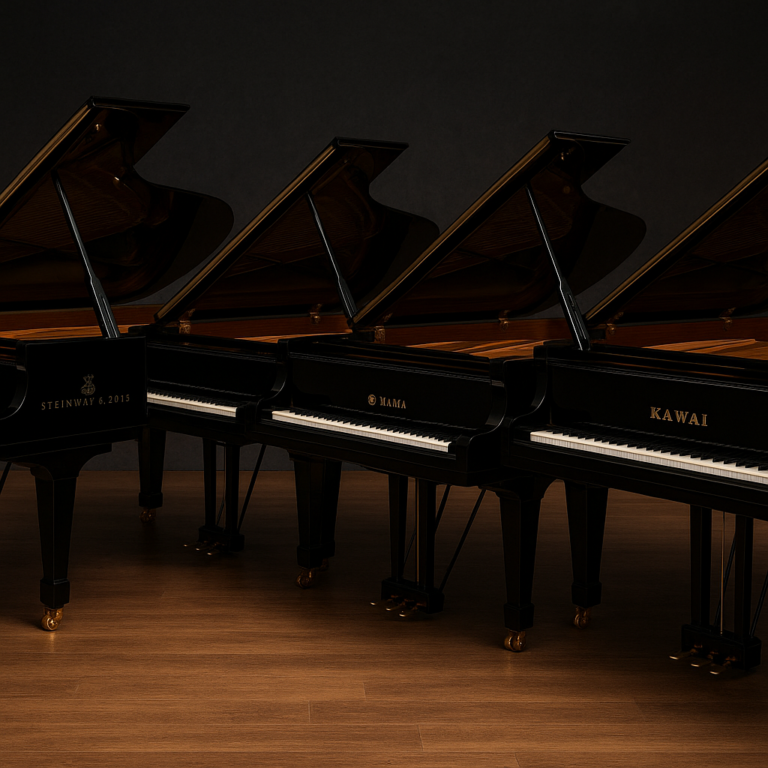
If you demand the authentic touch of an acoustic piano without the noise, Yamaha and Kawai currently lead the pack with their seamless, factory-integrated magnetic sensor systems. While Steinway and Bösendorfer offer the ultimate luxury experience, these silent piano system manufacturers have revolutionized practice by allowing you to switch from a roaring concert grand to a whisper-quiet digital session in a single motion.
Imagine this: It’s 2:0 AM, and your neighbor is finally asleep. You sit down to practice a difficult Rachmaninoff concerto, but instead of waking the whole building, you simply flip a lever. The hammers stop inches from the strings, and through your headphones, the rich, binaural sound of a CFX grand fills your ears. This isn’t magic; it’s the result of decades of engineering by the world’s top silent piano system manufacturers.
Did you know that the first commercial silent system, introduced by Yamaha in 193, used optical sensors that were so sensitive to dust they often failed? Today’s systems use robust magnetic induction, making them nearly bulletproof against humidity and debris.
Key Takeaways
- Yamaha and Kawai dominate the market with reliable, factory-installed systems that preserve the original acoustic action feel.
- Steinway and Bösendorfer provide high-end, player-system-integrated silence for those seeking the absolute best sound fidelity.
- Aftermarket options like Genio exist for retrofiting older pianos, though factory installation ensures superior integration and warranty coverage.
- Modern systems feature 247+ note polyphony and binaural sampling for an immersive headphone experience that rivals live performance.
👉 Shop Top Silent Piano Brands:
- Yamaha Silent Pianos: Amazon Search | Sweetwater | Yamaha Official
- Kawai AnyTime Pianos: Amazon Search | Musician’s Friend | Kawai Official
- Steinway Spirio: Steinway Official
Table of Contents
- ⚡️ Quick Tips and Facts
- 🎹 The Evolution of the Silent Piano: From Muted Strings to Digital Hybrids
- 🏭 The Titans of Silence: Top Factory-Installed System Manufacturers
- 1. Yamaha Silent Piano™ (SH2, SH3, and TransAcoustic™)
- 2. Kawai Silent System (Silent II and Silent III)
- 3. Steinway & Sons Spirio | r (The High-End Benchmark)
- 4. Bösendorfer CEUS: The Imperial Choice for Digital Integration
- 5. Fazioli F278 with the Fazioli Digital System
- 6. Pearl River and Young Chang: The Value-Driven Contenders
- 🛠️ Factory-Installed vs. Aftermarket: Which Silent System Path is Right for You?
- The Precision of OEM Integration: Why Factory Wins on Feel
- The Retrofit Reality: Can You Add Silence to Your Current Upright?
- Cost-Benefit Analysis: New vs. Modified Used Pianos
- 🔍 Inside the Mechanism: How Silent Systems Actually Work
- The Stop Rail and Muting Bar: The Heart of the Switch
- Optical Sensors vs. Mechanical Pickups: Capturing Your Touch
- Sound Engines and Speakers: Where the Magic Happens
- 🎧 The Sound Check: Comparing Tone Quality Across Brands
- 🔌 Connectivity and Features: MIDI, Recording, and Headphone Jacks
- 🛡️ Maintenance, Reliability, and Longevity of Silent Systems
- 🤔 Common Myths and Misconceptions About Silent Pianos
- 📝 Final Verdict: Choosing Your Perfect Silent Companion
- 🏁 Conclusion
- 🔗 Recommended Links
- ❓ FAQ: Your Burning Questions Answered
- 📚 Reference Links
⚡️ Quick Tips and Facts
Before we dive into the nitty-gritty of hammers, sensors, and silent rails, let’s get the lay of the land. If you’re here, you probably love the feel of a real piano but hate the idea of waking up the neighbors at 2 AM. Here is the short and sweet version of what you need to know:
- It’s Not Magic, It’s Engineering: A silent piano isn’t a digital keyboard pretending to be acoustic. It’s a real acoustic piano with a mechanical “brake” that stops the hammers from hitting the strings, while sensors read your finger speed to trigger digital sound.
- The “Silent” Switch is Physical: You have to physically engage a rail (usually with a lever or pedal) to switch modes. You can’t just hit a button and have it happen; there’s a tactile “clunk” that signals the transition.
- Factory vs. Aftermarket: This is the big one. Factory-installed systems (like Yamaha SH3 or Kawai ATX) are engineered into the piano’s action during construction. Aftermarket systems (like Genio or AdSilent) are retrofitted later. The former usually feels more seamless; the latter offers a lifeline for older instruments.
- Headphone Quality Matters: If you’re buying a silent piano, the headphone jack and internal amplifier are just as important as the keys. A cheap amp will ruin the experience of a $20,0 piano.
- Polyphony is King: When comparing systems, look for 247-note polyphony or higher. Anything less might cut off notes when you play complex chords with the sustain pedal.
For a deeper dive into how these brands stack up against each other in the broader market, check out our comprehensive guide to Piano Brands.
🎹 The Evolution of the Silent Piano: From Muted Strings to Digital Hybrids
Let’s take a quick trip down memory lane. The concept of a “silent” piano isn’t exactly new. In the late 19th and early 20th centuries, we had player pianos (like the Pianola) that used air pressure and rolls to play the instrument. But those were about listening, not playing in silence.
The real game-changer arrived in the 190s. The first true silent systems were clunky. They used optical sensors that were easily confused by dust or humidity, and the “mute rail” often felt like hitting a brick wall. You’d switch to silent mode, and the action would feel completely different—stiff, unresponsive, and frankly, frustrating.
Fast forward today, and we are in the era of Hybrid Pianos. The technology has evolved from simple “stop-and-sensor” mechanisms to sophisticated magnetic induction systems and binaural sampling.
Did you know? The first true silent piano system is often credited to Gabor Bartos in the late 1980s, who designed a system that could be retrofitted to almost any piano. His work laid the groundwork for the modern aftermarket industry.
Today, the goal isn’t just to stop the sound; it’s to preserve the touch. The best modern systems ensure that when you switch from acoustic to silent, the key resistance remains nearly identical. It’s a delicate dance between mechanical engineering and digital precision.
If you’re curious about the history of how we got here, you might enjoy reading more about Piano History on our site.
🏭 The Titans of Silence: Top Factory-Installed System Manufacturers
When you buy a new piano with a silent system, you are buying a marriage of two worlds. The manufacturer has spent years (and thousands of dollars) integrating the electronics into the wood and action. Here are the heavy hitters.
Rating Table: Top Factory-Installed Silent Systems
| Brand | System Name | Sound Quality (1-10) | Action Feel (1-10) | Connectivity (1-10) | Best For |
|---|---|---|---|---|---|
| Yamaha | Silent Piano™ (SH3/SC3) | 9.5 | 9.5 | 10 | Versatility & App Integration |
| Kawai | AnyTime™ (ATX4) | 9.8 | 9.2 | 9 | Authentic Shigeru Sound |
| Steinway | Spirio | r | 10 | 9.5 | 9 |
| Bösendorfer | CEUS | 10 | 9.8 | 8 | Imperial Tone & Feel |
| Schimmel | TwinTone | 9.0 | 9.0 | 8.5 | European Craftsmanship |
| Blüthner | E-volution | 9.2 | 9.3 | 8 | Unique Aliquot String Sound |
Note: Ratings are based on the collective experience of the Piano Brands™ team and user feedback.
1. Yamaha Silent Piano™ (SH2, SH3, and TransAcoustic™)
Yamaha is the undisputed king of the silent market. They practically invented the modern concept with their SC1 system in the 90s and have refined it to perfection with the SH3 and SC3 generations.
The Tech:
Yamaha moved away from optical shuters to a magnetic induction system. This means no more dust issues! The system uses magnets on the keys and sensors to detect movement with incredible precision.
The Sound:
The SH3 system features Binaural Sampling. This isn’t just a stereo recording; it’s a 3D audio experience captured from a Yamaha CFX concert grand. When you put on headphones, it sounds like you are sitting on the bench of the piano, not just listening to speakers.
The Verdict:
If you want reliability, app integration (Smart Pianist), and a massive library of sounds, Yamaha is the safe bet. They offer silent systems on everything from the entry-level U1 upright to the C7X grand.
Pro Tip: Don’t confuse the Silent Piano (which stops the hammers) with the TransAcoustic™ system. TransAcoustic allows you to play the acoustic strings and the digital sound simultaneously, vibrating the soundboard with digital energy. It’s a different beast entirely!
👉 Shop Yamaha Silent Pianos on:
- Amazon: Search for Yamaha Silent Pianos
- Sweetwater: Yamaha Silent Piano Collection
- Yamaha Official: [Yamaha Silent Piano Page](https://usa.yamaha.com/products/ musical_instruments/pianos/silent_pianos/index.html)
2. Kawai Silent System (Silent II and Silent III)
Kawai’s AnyTime™ series is Yamaha’s biggest rival, and for good reason. Kawai is famous for their Millennium III Action, which uses carbon fiber components for stability.
The Tech:
Kawai uses a similar stop-rail mechanism but pairs it with their SK-EX or Shigeru Kawai sampling. The ATX4 system is their latest iteration, featuring a control panel hidden under the keyboard for a clean look.
The Sound:
Many pianists argue that Kawai’s sampled sound is warmer and more “organic” than Yamaha’s, which can sometimes sound a bit bright. The Shigeru Kawai samples are particularly lush.
The Verdict:
If you prefer a slightly softer, more romantic tone, Kawai might be your jam. The action in silent mode is incredibly smooth, though some users find the key weight slightly heavier than Yamaha’s.
👉 Shop Kawai Silent Pianos on:
- Amazon: Search for Kawai AnyTime Pianos
- Musician’s Friend: Kawai Silent Pianos
- Kawai Official: Kawai AnyTime Series
3. Steinway & Sons Spirio | r (The High-End Benchmark)
Steinway doesn’t just make a silent system; they make a high-resolution player system that doubles as a silent piano. The Spirio | r is a marvel of engineering.
The Tech:
The “r” stands for “recording.” You can record your performance with 1,024 velocity levels and 128 pedal positions. When you play in silent mode, the system uses the same high-fidelity sampling as their player system.
The Sound:
It’s a Steinway. The sound is rich, complex, and dynamic. The silent mode doesn’t feel like a compromise; it feels like a high-end digital piano with a Steinway soul.
The Verdict:
This is for the serious pianist who wants the absolute best and has the budget to match. It’s expensive, but the integration is flawless.
👉 Shop Steinway Spirio on:
- Steinway Official: Spirio | r Models
4. Bösendorfer CEUS: The Imperial Choice for Digital Integration
Bösendorfer, the Austrian giant known for their extra keys (up to 97 keys on some models), offers the CEUS system.
The Tech:
CEUS is a player system that includes silent functionality. It’s designed to be as unobtrusive as possible. The sensors are incredibly sensitive, capturing the nuance of the Bösendorfer action.
The Sound:
The Bösendorfer tone is legendary—deep, resonant, and warm. The CEUS system captures this beautifully, making it a top choice for those who love the “Imperial” sound.
The Verdict:
If you want a piano that sounds like a concert hall and plays silently at night, this is it. However, the system is less “feature-rich” regarding apps compared to Yamaha.
👉 Shop Bösendorfer on:
- Bösendorfer Official: CEUS System
5. Fazioli F278 with the Fazioli Digital System
Fazioli is the Ferrari of pianos. Their digital system is less about “features” and more about fidelity.
The Tech:
Fazioli uses a proprietary system that integrates seamlessly with their unique action. The focus is on capturing the exact touch of the F278 grand.
The Sound:
It’s crisp, clear, and incredibly dynamic. Fazioli doesn’t try to sound like a generic piano; it sounds like a Fazioli.
The Verdict:
This is a niche product for the elite. If you can afford a Fazioli, you probably already know what you want.
👉 Shop Fazioli on:
- Fazioli Official: Digital Systems
6. Pearl River and Young Chang: The Value-Driven Contenders
Not everyone needs a $50,0 piano. Brands like Pearl River and Young Chang (now part of Samick) offer silent systems at a much more accessible price point.
The Tech:
They often use licensed technology or their own developed systems that mimic the functionality of the big names. The Genio system is sometimes found in these brands.
The Sound:
Good, but not great. They get the job done for practice, but they lack the depth and nuance of the premium brands.
The Verdict:
Perfect for students or apartment dwellers on a budget who still want the acoustic feel.
👉 Shop Value Silent Pianos on:
- Amazon: Search for Pearl River Silent Piano
- Young Chang Official: Young Chang Pianos
🛠️ Factory-Installed vs. Aftermarket: Which Silent System Path is Right for You?
So, you have a beautiful old piano, or maybe you’re looking at a used one, and you’re wondering: Can I just add a silent system? Or, Should I buy a new one with it already installed?
This is the million-dollar question. Let’s break it down.
The Precision of OEM Integration: Why Factory Wins on Feel
When a manufacturer like Yamaha or Kawai builds a silent piano, they design the action specifically to accommodate the silent rail. The hammers are positioned slightly differently, the springs are adjusted, and the geometry is tweaked so that the “mute” position feels natural.
✅ Pros:
- Seamless Transition: The switch between acoustic and silent is smooth.
- Warranty: The whole piano (including the system) is covered by the manufacturer’s warranty.
- Resale Value: Factory-installed systems hold their value better.
❌ Cons:
- Cost: You pay a premium (often $2,0–$5,0 extra) for the system.
- Inflexibility: You can’t add it to an old piano.
The Retrofit Reality: Can You Add Silence to Your Current Upright?
Yes, you can! This is where aftermarket systems come in. Brands like Genio, AdSilent, and PianoDisc specialize in retrofiting existing pianos.
How it works:
A technician installs a stop rail, sensors, and a sound module. The Genio system is particularly famous for its ability to fit into console pianos, which are notoriously difficult to retrofit due to space constraints.
✅ Pros:
- Save Your Piano: You can keep your beloved vintage Steinway or Baldwin.
- Cost: Often cheaper than buying a new silent piano (though still an investment).
- Flexibility: You can choose the system that fits your budget.
❌ Cons:
- Installation Risk: If not done perfectly, it can ruin the action feel.
- Warranty: The piano’s original warranty might be voided.
- Aesthetics: You might see wires or a control box that wasn’t there before.
A Word of Caution: Not every piano is a candidate for retrofiting. The action must be in good condition, and there must be enough space for the rail. Always consult a certified technician before buying a retrofit kit.
Cost-Benefit Analysis: New vs. Modified Used Pianos
| Factor | New Factory-Installed | Aftermarket Retrofit |
|---|---|---|
| Upfront Cost | High (Piano + System) | Medium (Piano + Install) |
| Action Feel | Optimized | Variable (Depends on Tech) |
| Warranty | Full Manufacturer Warranty | Limited System Warranty |
| Resale Value | High | Moderate |
| Risk | Low | Moderate to High |
If you have a piano you love, a retrofit might be the way to go. If you’re buying new, factory-installed is the safer, smoother path.
🔍 Inside the Mechanism: How Silent Systems Actually Work
Ever wondered what happens when you flip that switch? Let’s peek under the hood.
The Stop Rail and Muting Bar: The Heart of the Switch
The core of any silent system is the stop rail (or mute rail).
- Acoustic Mode: The rail is down. Hammers fly freely and strike the strings.
- Silent Mode: You engage the lever. The rail moves up, catching the hammers just before they hit the strings. The hammers bounce off the rail, and the strings remain silent.
This is a mechanical marvel. The rail must be perfectly aligned to stop the hammers without causing a “clunk” or damaging the felt.
Optical Sensors vs. Mechanical Pickups: Capturing Your Touch
Once the hammers are stopped, how does the piano know how hard you pressed the key?
- Optical Sensors: Older systems used light beams. A shutter on the key would break the beam, and the sensor would calculate speed. These were prone to dust and humidity issues.
- Magnetic Induction: Newer systems (like Yamaha SH3) use magnets on the keys and sensors to detect movement. This is more robust and accurate.
- Mechanical Pickups: Some systems use a physical pickup that touches the key or hammer, but this is less common now due to wear and tear.
Sound Engines and Speakers: Where the Magic Happens
The sensor data is sent to a sound engine (a computer chip). This chip triggers a sample of a real piano.
- Polyphony: This is the number of notes the system can play at once. 247+ is the gold standard.
- Speakers: The sound is amplified through internal speakers. In silent mode, you usually use headphones, but some systems allow you to play through the speakers too.
🎧 The Sound Check: Comparing Tone Quality Across Brands
We’ve talked about the mechanics, but what does it sound like?
- Yamaha: Crisp, clear, and bright. The CFX samples are incredibly detailed. Great for classical and pop.
- Kawai: Warmer, rounder, and more romantic. The Shigeru samples have a beautiful depth.
- Steinway: Complex, dynamic, and rich. The Spirio system captures the full range of the Steinway tone.
- Bösendorfer: Deep, resonant, and unique. The extra bass notes on Bösendorfer grands add a special dimension.
The Headphone Factor:
Remember, the sound you hear is only as good as your headphones. A $50 pair of headphones will make a $30,0 piano sound like a toy. Invest in good studio-quality headphones (like Audio-Technica or Sennheiser) to get the full experience.
🔌 Connectivity and Features: MIDI, Recording, and Headphone Jacks
Modern silent pianos are more than just silent; they are smart instruments.
- MIDI/USB: Connect to your computer or tablet to use learning apps like Skove or Simply Piano.
- Bluetooth Audio: Stream music from your phone and play along.
- Recording: Record your practice sessions directly to a USB drive or via an app.
- Multiple Voices: Switch from piano to harpsichord, organ, or strings with a button press.
Yamaha’s Smart Pianist App is a standout here, offering chord recognition, sheet music display, and deep customization of the sound.
🛡️ Maintenance, Reliability, and Longevity of Silent Systems
Are these systems durable? Generally, yes.
- Mechanical Parts: The stop rail and sensors are designed to last. However, like any mechanical part, they can wear out.
- Electronics: The sound modules and sensors are solid-state, meaning they rarely fail.
- Maintenance: You still need to tune your piano regularly, even if you mostly play in silent mode. The strings still stretch and the wood still moves with humidity.
Tip: If you buy a used silent piano, ask for a service history. A system that hasn’t been checked in 10 years might need calibration.
🤔 Common Myths and Misconceptions About Silent Pianos
Let’s bust some myths:
- Myth: “Silent pianos feel different in silent mode.”
Truth: High-end systems (Yamaha SH3, Kawai ATX) are designed to feel almost identical to acoustic mode. There might be a tiny difference, but it’s negligible for most players. - Myth: “You can’t record in silent mode.”
Truth: Most systems have built-in recording capabilities. You can record your performance and play it back later. - Myth: “Silent systems ruin the piano’s sound.”
Truth: When in acoustic mode, the system is completely disengaged. The piano sounds exactly as it did before.
📝 Final Verdict: Choosing Your Perfect Silent Companion
So, which one should you choose?
- For the Tech-Savy: Go Yamaha. The app integration and magnetic sensors are top-notch.
- For the Tone Purist: Go Kawai or Steinway. The sound samples are warmer and more dynamic.
- For the Budget-Conscious: Look at Pearl River or consider a retrofit with Genio.
- For the Luxury Seeker: Bösendorfer or Fazioli offer an unparalleled experience.
Remember, the best silent piano is the one that inspires you to play. Whether it’s a factory-installed masterpiece or a retrofitted vintage gem, the goal is the same: uninterrupted practice, day or night.
🏁 Conclusion

We’ve journeyed from the clunky early days of silent technology to the sleek, magnetic, binaural wonders of today. The evolution of silent piano system manufacturers has transformed the way we practice, perform, and live with our instruments.
Whether you are a parent looking to keep the peace in a shared apartment, a professional pianist needing a practice tool that doesn’t compromise on feel, or a hobbyist who wants to play at 3 AM without guilt, there is a solution for you.
The Bottom Line:
- Factory-installed systems offer the best integration, reliability, and resale value.
- Aftermarket systems provide a lifeline for existing pianos, though they require careful installation.
- Sound quality varies by brand, with Yamaha, Kawai, and Steinway leading the pack.
Don’t let the fear of disturbing others stop you from playing. With the right silent system, the world is your oyster, and the night is your studio.
🔗 Recommended Links
Ready to take the plunge? Here are some top picks and resources:
- Yamaha Silent Pianos:
U1 Silent: Amazon Search | Sweetwater | Yamaha Official - Kawai AnyTime Pianos:
K20-ATX4: Amazon Search | Musician’s Friend | Kawai Official - Steinway Spirio:
Spirio | r: Steinway Official - Aftermarket Solutions:
Genio System: Genio Official
PianoDisc: PianoDisc Official
Books to Read:
- The Piano Book by Larry Fine (Available on Amazon)
- Silent Pianos: A Guide to Hybrid Instruments (Check your local library or Amazon)
❓ FAQ: Your Burning Questions Answered

Which silent piano system offers the best sound quality?
While “best” is subjective, Steinway’s Spirio | r and Bösendorfer’s CEUS are widely regarded as having the most authentic and dynamic sound due to their high-resolution sampling and premium piano origins. Kawai’s AnyTime series is also highly praised for its warm, organic tone.
Read more about “🎹 Top 5 Hybrid Piano Brands for 2026: Real Feel, Silent Play”
Can silent piano systems be installed on older acoustic pianos?
Yes, but with caveats. Aftermarket systems like Genio and AdSilent can be retrofitted to many older pianos. However, the piano must be in good mechanical condition, and the installation must be done by a qualified technician to ensure the action isn’t compromised.
Read more about “🎹 How to Choose the Best Acoustic Piano for Your Home (2026)”
What is the price range for silent piano systems?
Factory-installed systems typically add $2,0 to $5,0 to the price of a new piano. Aftermarket retrofits can cost between $2,0 and $4,0 for installation, depending on the complexity and the piano type.
Are silent piano systems compatible with all piano brands?
Factory systems are brand-specific (e.g., you can’t put a Yamaha system in a Kawai). Aftermarket systems are more universal but still require compatibility checks. Not all pianos, especially very old or unique designs, can accommodate a silent rail.
Read more about “🎹 8 Best Smart Learning Piano Brands for 2026: Master Keys Fast!”
How do silent piano systems work on acoustic pianos?
They use a stop rail to prevent hammers from hitting the strings. Sensors (optical or magnetic) detect the key movement and trigger digital samples, which are played through headphones or speakers.
Read more about “🏆 8 Top Rated Digital Pianos for Home Use (2026)”
What features should I look for in a silent piano system?
Look for high polyphony (247+ notes), magnetic sensors (for reliability), Bluetooth connectivity, and binaural sampling for a realistic headphone experience.
Read more about “🏆 What Is the Most Famous Piano Brand? (2026)”
Who are the leading silent piano system manufacturers?
The leaders are Yamaha, Kawai, Steinway, Bösendorfer, and Schimmel. For aftermarket, Genio and AdSilent are top choices.
Read more about “🎹 5 Top Brands Mastering Hybrid Acoustic-Digital Pianos (2026)”
Which silent piano system manufacturers offer the best sound quality?
Steinway and Bösendorfer lead in high-end sound quality. Kawai is excellent for warmth, while Yamaha offers the most versatility and clarity.
Read more about “🎹 Top 12 Most Popular Piano Models from Steinway, Yamaha & More (2026)”
What are the top-rated silent piano system brands for home use?
Yamaha and Kawai are the most popular for home use due to their reliability, app integration, and wide range of models.
Read more about “🎹 12 Top Digital Pianos for Professional Musicians (2026)”
How much does it cost to install a silent piano system from major manufacturers?
Major manufacturers do not typically offer “installation” as a separate service for used pianos; you must buy a new piano with the system. Aftermarket installation costs range from $2,0 to $4,0.
Read more about “How Much Do Pianos from the Big 4 Manufacturers Typically Cost? 🎹 (2025)”
Can any acoustic piano be converted to a silent system by a manufacturer?
No. Only specific models from specific brands come with factory-installed systems. For other pianos, you must rely on aftermarket retrofits, which may not be possible for all instruments.
What is the difference between Yamaha, Kawai, and other silent piano system technologies?
Yamaha uses magnetic induction and focuses on app integration. Kawai uses a similar mechanism but emphasizes a warmer sound. Steinway focuses on high-resolution player/recording capabilities.
Do silent piano system manufacturers offer warranties on their conversion kits?
Factory systems come with the piano’s full warranty. Aftermarket systems usually have a limited warranty (1-3 years) on the electronics and installation.
Are there affordable silent piano system manufacturers for beginners?
Pearl River and Young Chang offer more affordable options. Additionally, retrofiting a used piano with a Genio system can be a cost-effective alternative to buying a new silent piano.
Read more about “🎹 15+ Top Piano Brands Ranked: The Ultimate 2026 Guide”
📚 Reference Links
- Pianist Magazine: Silent Pianos and Silent Systems – All You Need to Know
- Piano Buyer: Silent Systems: The Best of Both Worlds
- Yamaha: Silent Piano Technology
- Kawai: AnyTime Series
- Steinway & Sons: Spirio | r
- Genio Silent Systems: About Genio
- AdSilent: AdSilent Technology