Support our educational content for free when you buy through links on our site. Learn more
🎹 How to Choose the Best Digital Piano for Your Needs (2026)

Remember the first time you tried to play a real piano after years on a cheap, springy keyboard? Your fingers felt like they were wading through molasses, and the sound was flat, lifeless, and utterly disappointing. We’ve all been there, and it’s the exact reason why choosing the right digital piano isn’t just about buying a gadget—it’s about investing in your musical future. With the market flooded by everything from $20 “toy” keyboards to $5,0 hybrid masterpieces, finding the instrument that actually fels and sounds like a real grand can feel like searching for a needle in a haystack of plastic keys.
In this guide, we’re cutting through the marketing fluff to give you the unvarnished truth from the musicians at Piano Brands™. We’ll reveal the one specific feature that matters more than the number of voices or built-in speakers, expose why “touch sensitivity” isn’t enough, and show you exactly which models deliver that elusive “real piano” sound without breaking the bank. Whether you’re a total beginner, a returning student, or a giging pro, we’ve tested the top contenders so you don’t have to guess. Ready to stop settling for “good enough” and start playing with confidence? Let’s dive in.
Key Takeaways
- Prioritize Action Over Features: The most critical factor is a fully weighted, graded hammer action that mimics the resistance of an acoustic piano; never compromise on this for extra voices or lights.
- Polyphony Matters: Aim for at least 128-note polyphony to ensure notes don’t cut off when using the sustain pedal or layering sounds.
- Know Your Form Factor: Choose between Portable (slab) for flexibility, Console for a permanent furniture look, or Stage models for live performance needs.
- Stick to the Big Brands: For reliability, realistic sound, and resale value, focus on Yamaha, Roland, Kawai, and Casio.
👉 Shop Top Digital Piano Categories:
- Best Portable Pianos: Amazon | Sweetwater
- Best Console Pianos: Amazon | Sweetwater
- Best Stage Pianos: Amazon | Sweetwater
Table of Contents
⚡️ Quick Tips and Facts
Before we dive into the deep end of the digital ocean, let’s grab a life jacket and hit the high notes. If you’re in a rush, here are the non-negotiables for choosing a digital piano that won’t leave you regreting your purchase in six months:
- 8 Keys is King: Unless you are strictly a synth player or have zero space, do not settle for less than 8 keys. Your fingers need the full range to learn proper technique. Learn why 8 keys matter here.
- Weighted Action is Mandatory: If the keys feel like springs or plastic buttons, walk away. You need fully weighted hammer action to build the muscle memory required for real piano playing.
- Polyphony Matters: Don’t get tricked by “64 notes” if you plan to use the sustain pedal or layer sounds. Aim for 128 notes or higher to avoid notes cutting off mid-sustain.
- Sound Quality > Features: A piano with 50 voices but a cheap sound engine is worse than a piano with 10 voices that sounds like a Steinway. Prioritize the piano tone above all else.
- The “Try Before You Buy” Myth: While testing in a store is great, the best way to judge a digital piano is often through detailed video reviews and return policies from major retailers.
Did you know? The first digital pianos in the 1970s sounded more like electric organs than pianos! It took decades of sampling technology and physical modeling to get us to the point where a $1,0 digital piano can fool a trained ear. Check out our full history of digital pianos here.
🎹 The Evolution of Digital Keys: A Brief History

You might think digital pianos are a modern invention, but the journey from “bep-bop” to “concert grand” is a fascinating tale of engineering grit.
In the early days, companies like Casio and Yamaha were experimenting with sampling. Imagine recording a single note of a grand piano, stretching it out, and playing it back at different speeds. It worked, but it sounded… well, a bit like a robot playing a piano in a cave.
Fast forward to the 20s, and the game changed. Roland introduced SuperNATURAL Piano Modeling, a technology that didn’t just play back recordings but calculated the sound in real-time, simulating string resonance and hammer mechanics. Suddenly, the “digital” sound vanished, replaced by something that breathed.
Today, we have multi-layer sampling (recording the same note at 10+ different velocities) and hybrid actions that combine real wood keys with digital sensors. The goal has always been the same: to make the digital feel indistinguishable from the acoustic.
Fun Fact: The first commercially successful digital piano, the Yamaha CP-70, was actually an electric grand piano with real strings and pickups, not a digital sampler! It paved the way for the fully digital instruments we know today. Read more about piano history on our site.
🔍 Defining Your Musical Needs: The First Step
Before you start droling over the latest Nord Grand or Kawai CA901, we need to have a serious heart-to-heart. What is your goal?
🎓 The Serious Student
If you are taking lessons or planning to take them, your needs are specific. You need an instrument that mimics the resistance of an acoustic piano. If you practice on a cheap keyboard with light keys, your fingers will develop bad habits, and you’ll struggle to play on a real piano later.
- Must-haves: 8 fully weighted keys, graded hammer action, 3 pedals (sustain, soft, sostenuto), and a realistic piano sound engine.
- Recommended Path: Look at Console or high-end Portable models from Yamaha, Kawai, or Roland.
🎸 The Hobbyist & Explorer
Maybe you just want to play along with your favorite songs, experiment with different sounds (strings, organs, synths), and have fun without the pressure of conservatory exams.
- Must-haves: A wide variety of voices, built-in rhythms, and perhaps Bluetooth audio streaming. Weighted keys are still good, but semi-weighted might suffice if you dabble in synths.
- Recommended Path: Arranger Keyboards or Stage Pianos with extensive sound libraries.
🏠 The Apartment Dweller
Space is your enemy. You need something that fits in a corner, doesn’t weigh 10 lbs, and won’t wake the neighbors at 2 AM.
- Must-haves: Headphone jacks (obviously), compact design, and a sturdy but portable stand.
- Recommended Path: Slab-style Portable Pianos like the Roland FP-30X or Casio PX-S10.
Wait, what about the “I just want to play chords for my band” crowd? That’s a different beast entirely! We’ll get to Stage Pianos later, but remember: a stage piano often lacks built-in speakers because it’s designed to plug into a PA system.
🎼 Digital vs Acoustic: The Magic of The Digital World
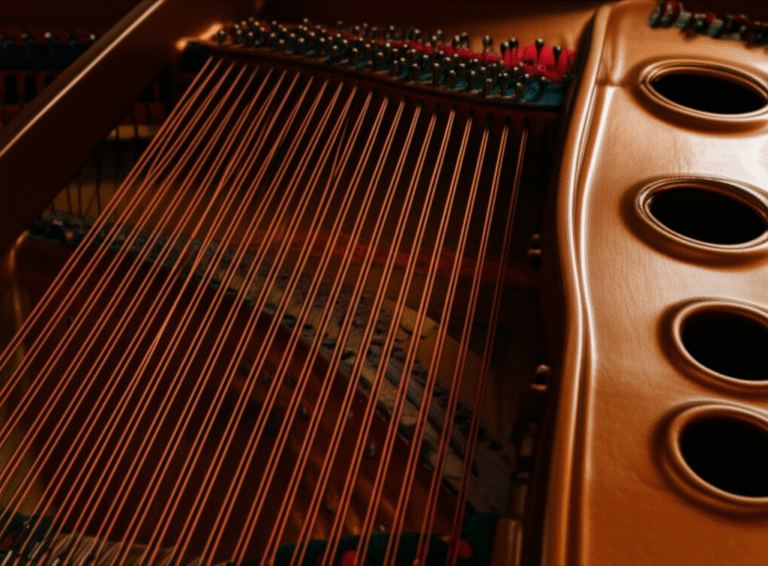
This is the eternal debate. Acoustic pianos are beautiful, mechanical beasts. They have strings, hammers, and a soundboard that vibrates in a room. They require tuning twice a year, cost a fortune, and take up a lot of space.
Digital pianos, on the other hand, are the Swiss Army Knives of the music world.
The Acoustic Advantage
- Authenticity: Nothing beats the physical connection of a hammer hitting a string.
- Resonance: The sound fills the room naturally.
- Value: A well-maintained acoustic piano can hold its value (or even appreciate) for decades.
The Digital Dominance
- Silence: Headphone practice is a game-changer for families and apartment dwellers.
- Maintenance: Never needs tuning. Ever.
- Versatility: One instrument can be a Steinway, a Rhodes, a harpsichord, and a synth.
- Connectivity: Connect to apps like Flowkey or Simply Piano via USB or Bluetooth.
The Verdict? If you have the space, budget, and desire for the “real thing,” an acoustic is magical. But for 90% of learners and modern musicians, a high-quality digital piano offers 95% of the experience with 10% of the convenience.
For a deeper dive into the differences, check out our Piano Comparison Guide.
🎹 Keyboard vs Digital Piano: Clearing the Confusion
Let’s clear up the biggest misconception in the industry: Not all keyboards are digital pianos.
| Feature | Digital Piano | Portable Keyboard |
|---|---|---|
| Keys | 8 Fully Weighted (Hamer Action) | 61/76 keys, Semi-weighted or Unweighted |
| Sound Focus | Realistic Piano Tones (20-30 voices) | Hundreds of voices, rhythms, auto-acompaniment |
| Action | Mimics acoustic resistance | Spring-loaded, light feel |
| Speakers | High-quality, directional speakers | Basic, often low wattage |
| Pedals | 3 pedals (often included) | 1 sustain pedal (often an afterthought) |
| Purpose | Learning piano technique | Entertainment, songwriting, beginners |
Why does this matter?
If you buy a 61-key unweighted keyboard to learn “Chopsticks,” you’ll be fine. But if you try to learn a Bethoven Sonata on it, your fingers will never develop the strength and control needed. It’s like trying to learn to run on a treadmill that doesn’t have a belt.
Pro Tip: If you see a keyboard with “Touch Sensitivity” but no “Weighted Keys,” run. Touch sensitivity just means the volume changes with how hard you press; it doesn’t mean the keys feel like a real piano.
🏠 Types of Digital Pianos for Every Space
Now that we know what we need, let’s talk about where it lives. Digital pianos come in three main flavors, each with its own pros and cons.
1. Portable (Slab) Pianos
These are the “laptops” of the piano world. They are sleek, lightweight, and sit on an X-stand or a dedicated stand.
- Best For: Students, giging musicians, and small apartments.
- Pros: Affordable, easy to move, often have the same sound engine as their console cousins.
- Cons: No built-in stand or 3-pedal unit (usually sold separately), speakers can be less powerful.
- Top Contenders: Yamaha P-145, Roland FP-30X, Kawai ES120, Casio PX-S10.
2. Console (Furniture) Pianos
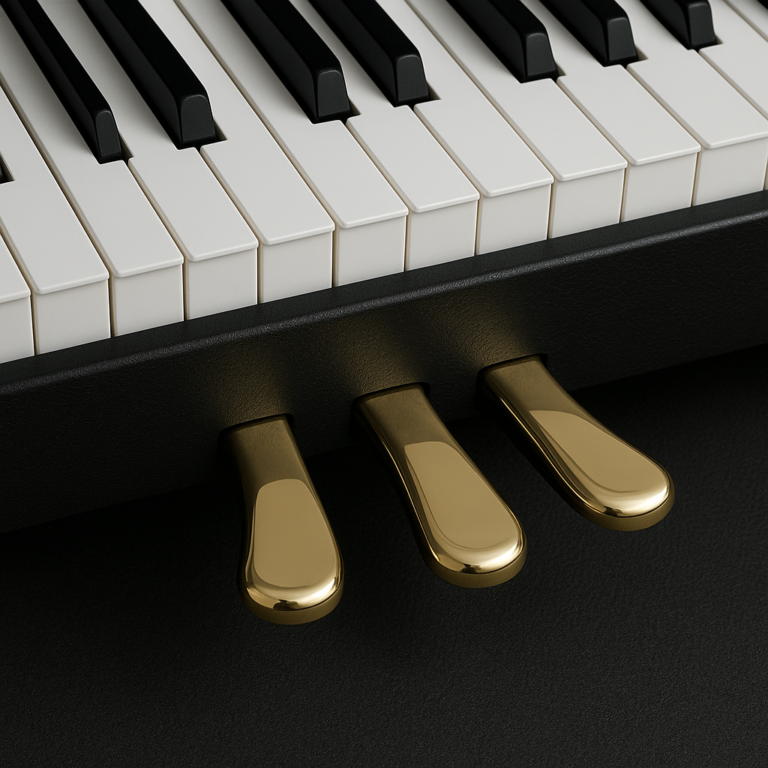
These look like traditional upright pianos. They come with a built-in stand, cabinet, and often a 3-pedal unit.
- Best For: Home use, living rooms, and serious students who want a permanent setup.
- Pros: Beautiful furniture, better speaker systems, stable 3-pedal action, feels more “real.”
- Cons: Heavy, expensive, takes up significant floor space.
- Top Contenders: Yamaha YDP-145, Roland RP701, Kawai KDP120, Casio PX-870.
3. Stage Pianos
Designed for the road. These are slab pianos but stripped of unnecessary features to focus on sound and action. They often lack built-in speakers.
- Best For: Professional performers who plug into PA systems.
- Pros: Rugged, lightweight, incredible sound engines, fast access to controls.
- Cons: No speakers (need external amp), expensive, not “furniture” friendly.
- Top Contenders: Nord Stage 4, Roland RD-20, Korg SV-2, Yamaha CP8.
Wait, what about Digital Grand Pianos? Yes, they exist! Brands like Yamaha (Clavinova CLP series) and Kawai (CA series) make digital pianos with grand piano cabinets and lid simulators. They are the Rolls Royce of digital pianos, but they come with a price tag to match.
📊 Comparison Table of Digital Piano Types
To help you visualize the differences, here is a quick breakdown:
| Feature | Portable | Console | Stage |
|---|---|---|---|
| Price Range | $ | $$ | $$$ |
| Weight | Light (25-40 lbs) | Heavy (60-10+ lbs) | Medium (30-50 lbs) |
| Built-in Speakers | Yes (Good) | Yes (Excellent) | No (or minimal) |
| Pedals | Optional (1 or 3) | Included (3) | Optional (1 or 3) |
| Aesthetics | Modern/Minimalist | Furniture Style | Industrial/Pro |
| Best Use Case | Practice/Small Gigs | Home Learning | Live Performance |
🎸 Types of Keyboards: Beyond the Piano
While our focus is on digital pianos, it’s worth mentioning the other siblings in the family if your needs are different.
- Arranger Keyboards: These are the “one-man band” machines. They have auto-acompaniment features that play drums and bass when you press a chord. Great for solo entertainers, but not for learning piano technique. (e.g., Yamaha PSR-EW425, Casio CT-S30).
- Synthesizers: Built for sound design. You tweak knobs to create new sounds from scratch. They usually have semi-weighted or unweighted keys. (e.g., Korg Minilogue, Roland JD-Xi).
- MIDI Controllers: These have no sound of their own. They are just a fancy keyboard that sends data to your computer. You need software (DAW) to make sound. (e.g., Native Instruments Komplete Kontrol, Arturia KeyLab).
Confused? If you want to play “Piano,” stick to the Digital Piano category. If you want to make electronic music, look at Synths and MIDI Controllers.
🏆 Best Digital Piano Brands: Industry Leaders
Not all brands are created equal. In the world of digital pianos, a few names consistently deliver top-tier sound and action.
The “Big Four” (and a few others)
- Yamaha: The industry giant. Known for their Graded Hammer Standard (GHS) and Natural Wood (NW) actions. Their sound is bright and crisp.
Top Pick: Yamaha P-145 (Portable), Yamaha CLP-735 (Console).
- Roland: The tech innovator. Their PHA-4 Standard and Hybrid Grand actions are legendary. They use SuperNATURAL modeling for incredibly realistic sound.
Top Pick: Roland FP-30X (Portable), Roland HP704 (Console).
- Kawai: The acoustic specialist. Kawai makes real acoustic pianos, so their digital actions (like Responsive Hammer III) are often considered the most realistic. Their sound is warm and mellow.
Top Pick: Kawai ES120 (Portable), Kawai CA501 (Console).
- Casio: The value king. Casio offers incredible features for the price. Their Tri-Sensor Scaled Hammer Action is surprisingly good for the money.
Top Pick: Casio PX-S10 (Portable), Casio PX-870 (Console).
- Nord: The performer’s choice. Known for their iconic red color and Nord Piano series. They are expensive but offer unmatched sound customization for live players.
Top Pick: Nord Stage 4, Nord Grand.
Brands to Approach with Caution: While brands like Williams, Suzuki, and Artesia exist, they often cut corners on sound engines and key actions. Unless you are on an extremely tight budget, we recommend sticking to the major brands for a better long-term investment.
👆 Types of Keyboard Actions: Feel Matters Most
This is the single most important factor in choosing a digital piano. If the keys don’t feel right, the best sound in the world won’t save it.
The Hierarchy of Action
- Non-Weighted (Spring): Found on cheap keyboards. Keys are light and bouncy. ❌ Avoid for piano learning.
- Semi-Weighted: Stiffer springs, but no hammer mechanism. Good for organ/synth, bad for piano. ❌ Not recommended.
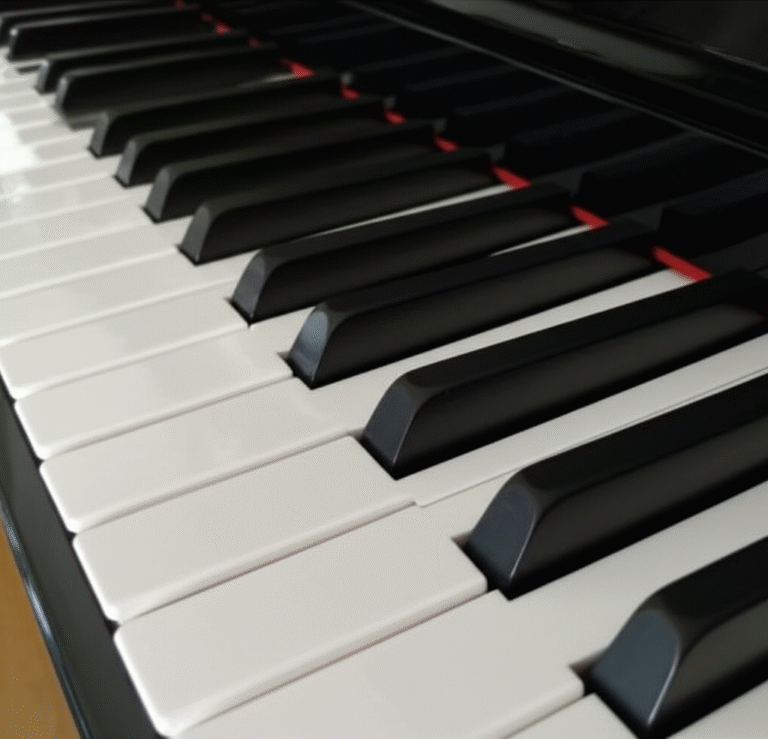
- Fully Weighted (Hamer Action): Uses internal weights to mimic the feel of a real piano. ✅ Essential.
Graded Hammer Action: Keys are heavier in the low end and lighter in the high end, just like a real piano. ✅ Highly Recommended. - Hybrid/Real Wood Action: Uses real wood keys and mechanical hammers. Found in high-end models ($2,0+). ✅ The Gold Standard.
Key Features to Look For
- Ivory/Ebony Simulation: Textured keys that absorb moisture and prevent slipping.
- Escapement: A slight “notch” feeling when pressing a key gently, mimicking the mechanical escapement of an acoustic piano.
- 3-Sensor vs. 2-Sensor: 3-sensor actions allow for faster note repetition (playing the same note quickly) without releasing the key fully. Crucial for advanced repertoire.
My Story: I once tried to teach a student on a 61-key unweighted keyboard. After two weeks, she couldn’t play a simple scale on a real piano because her fingers had no strength. We switched to a Yamaha P-45 with weighted keys, and within a month, her technique improved dramatically. Never compromise on action.
📖 The Definitive Glossary of Piano Terms
Confused by the jargon? Here’s your cheat sheet.
- Polyphony: The number of notes that can be played simultaneously. 64 is the minimum; 128+ is recommended.
- Sampling: Recording real acoustic piano notes to play back digitally.
- Physical Modeling: Using math to generate sound in real-time (no samples).
- Hamer Action: A mechanism inside the key that simulates the weight of a real piano hammer.
- Graded Hammer: Heavier keys in the bass, lighter in the treble.
- Sustain Pedal: The right pedal that holds notes.
- Sostenuto Pedal: The middle pedal that sustains only the notes held down when the pedal is pressed.
- Soft Pedal: The left pedal that softens the sound.
- MIDI: Musical Instrument Digital Interface. Allows your piano to talk to computers and apps.
- Bluetooth Audio: Streaming music from your phone to the piano’s speakers.
- Bluetooth MIDI: Wireless connection to apps for learning or recording.
⏳ How Long Do Digital Pianos Last?
A common question: “Will my digital piano become obsolete in 5 years?”
The short answer: Mechanically, they can last 10-20 years. The electronics might fail, or the keys might get noisy, but the core technology doesn’t “expire” like a phone.
However, technological obsolescence is real. A piano from 2010 might lack Bluetooth or have a dated sound engine. But if you buy a quality model from a top brand today, it will likely serve you well for a decade or more.
Maintenance Tip: Keep your piano away from direct sunlight, extreme heat, and humidity. Dust can clog the key sensors over time. A simple cover goes a long way!
🎒 Essential Accessories for Your Setup
You bought the piano. Now, what else do you need? Don’t skip these!
1. The Stand
- X-Stand: Cheap, portable, but wobbly.
- Z-Stand: More stable, looks better.
- Furniture Stand: Best for console pianos, but often specific to the model.
- Recommendation: If you have a portable piano, invest in a solid Z-stand or the manufacturer’s dedicated stand.
2. The Pedals
- Footswitch: The cheap plastic one that comes with entry-level pianos. It only does “on/off.”
- Damper Pedal (M-Audio SP-2): A proper piano-style pedal with half-pedaling capability. Essential for expression.
- 3-Pedal Unit: Required for soft and sostenuto pedals. Usually requires a specific stand.
3. Headphones
- Closed-back headphones are best to prevent sound leakage.
- Recommendation: Audio-Technica ATH-M50x or Sony MDR-7506.
4. Bench
- X-Bench: Adjustable, portable.
- Classic Bench: Wooden, stable, looks great.
- Tip: Ensure the height is adjustable. Your elbows should be slightly above the keys.
5. Cases
- Gig Bag: For light travel.
- Flight Case: For touring musicians.
Pro Tip: Many “bundles” on Amazon include cheap accessories. It’s often better to buy the piano separately and get a high-quality stand and pedal from a dedicated music retailer.
🛒 Buying a Digital Piano: My Recommendations
Ready to pull the trigger? Here is our step-by-step guide to making the right choice.
Step 1: Set Your Budget
Be realistic. A decent digital piano starts around $40-$50. Anything under $30 is likely a toy for beginners.
- Budget ($40-$70): Yamaha P-145, Roland FP-30X, Casio PX-S10.
- Mid-Range ($80-$1,50): Kawai ES120, Roland FP-60X, Yamaha P-525.
- High-End ($1,50+): Kawai CA501, Roland HP704, Yamaha CLP-735.
Step 2: Decide on Form Factor
- Portable: If you move often or have limited space.
- Console: If you want a permanent, beautiful piece of furniture.
Step 3: Test the Action
If possible, go to a store. Play scales, play fast passages, play softly. Does it feel right?
- Can’t go to a store? Read detailed reviews and watch video demos. Look for unboxing videos that show the key action.
Step 4: Check Connectivity
Do you need Bluetooth? USB to Host? Audio In? Make sure the piano has the ports you need for your apps and setup.
Step 5: Buy from a Reputable Retailer
- Amazon: Great selection, easy returns.
- Sweetwater: Excellent customer service, 2-year warranty.
- Musician’s Friend: Good return policy (45 days).
- Thomann (Europe): 3-year warranty, great prices.
Final Thought: Don’t get distracted by the number of voices or the flashy lights. Focus on the piano sound and the key action. That’s what you’ll be playing every day.
👉 CHECK PRICE on:
- Yamaha P-145: Amazon | Sweetwater | Yamaha Official
- Roland FP-30X: Amazon | Sweetwater | Roland Official
- Kawai ES120: Amazon | Sweetwater | Kawai Official
- Casio PX-S10: Amazon | Sweetwater | Casio Official
❓ Frequently Asked Questions
Q: Do I need 8 keys?
A: Yes, if you want to learn piano properly. 8 keys are the standard. 76 keys might work for some, but you’ll miss the low bass and high treble notes in many pieces.
Q: Can I use a digital piano for classical music?
A: Absolutely! High-end digital pianos are used by conservatories and professionals. Just ensure you get a model with graded hammer action and a realistic sound engine.
Q: How do I connect my digital piano to my computer?
A: Use a USB Type-B to Type-A cable. This allows you to use the piano as a MIDI controller for software like GarageBand, Logic, or Simply Piano.
Q: Do digital pianos need tuning?
A: No! They are digital. They stay in tune forever (unless the internal clock or software glitches, which is rare).
Q: What is the difference between a stage piano and a portable piano?
A: Stage pianos are built for performance, often lack speakers, and have more robust controls. Portable pianos are designed for home practice and usually have built-in speakers and a simpler interface.
Q: Is it better to buy used or new?
A: Used can be a great deal if you know what to look for. Check the keys for wear, test all buttons, and ensure the sound engine is working. However, buying new gives you a warranty and the latest technology.
Q: Can I upgrade the sound of my digital piano?
A: Generally, no. The sound engine is built into the hardware. However, you can improve the sound by using better headphones, external speakers, or connecting to a computer with high-quality VST plugins.
🔗 Recommended Links
- Piano Brand Guides
- Piano Buying Guide
- Piano Comparison
- Piano History
- Digital Pianos
- Which brand is best for piano?
📚 Reference Links
- Piano Dreamers: How to Choose the Best Digital Piano
- American Choral Directors Association (Facebook Group)
- Synthesizer Zone (Facebook Group)
- Featured Video: Digital Piano vs. Keyboard
Conclusion

So, we’ve journeyed from the clunky, robotic sounds of the 1970s to the hyper-realistic, physically modeled masterpieces of today. We’ve dissected the difference between a “keyboard” and a “digital piano,” weighed the pros and cons of portable slabs versus furniture consoles, and navigated the complex world of hammer actions.
But remember the question we started with: “How do I choose the best digital piano for my needs?”
The answer isn’t a single model number; it’s a match between your musical goals and the instrument’s capabilities.
- If you are a serious student or a classical pianist, the Kawai CA series or Yamaha Clavinova with wooden keys and 3-pedal units are your best friends. They offer the closest approximation to an acoustic grand without the tuning bills.
- If you are a bedroom musician or traveling giging artist, the Roland FP-30X or Kawai ES120 strikes the perfect balance between portability and authentic feel.
- If you are a producer or live performer who needs to plug into a PA, the Nord Stage 4 or Roland RD-20 is the undisputed king of the stage.
The Bottom Line: Do not let the price tag or the number of “voices” (sounds) fool you. A piano with 50 sounds but a cheap, springy action will ruin your technique. A piano with 10 sounds and a graded hammer action will make you a better musician. Invest in the action first, the sound second, and the features last.
You don’t need to spend a fortune to get a great start, but you do need to spend wisely. Avoid the “toy” brands, stick to the industry leaders like Yamaha, Roland, Kawai, and Casio, and you’ll have an instrument that inspires you for decades.
Ready to make your move? The keys are waiting. 🎹✨
Recommended Links
🛒 Shop Top Digital Pianos & Brands
- Yamaha Digital Pianos: Amazon | Sweetwater | Yamaha Official Site
- Roland Digital Pianos: Amazon | Sweetwater | Roland Official Site
- Kawai Digital Pianos: Amazon | Sweetwater | Kawai Official Site
- Casio Digital Pianos: Amazon | Sweetwater | Casio Official Site
- Nord Keyboards: Sweetwater | Nord Official Site
🎧 Essential Accessories
- M-Audio SP-2 Sustain Pedal: Amazon | Sweetwater
- Audio-Technica ATH-M50x Headphones: Amazon | Sweetwater
- X-Stand for Digital Pianos: Amazon | Musician’s Friend
📚 Recommended Reading
- “The Piano Book” by Larry Fine: Amazon – The bible for acoustic and digital piano buyers.
- “Piano For Dummies” by Blake Nely: Amazon – A great starter guide for beginners.
❓ Frequently Asked Questions
What are the key differences between weighted and semi-weighted keys for beginners?
The Mechanics of Touch
The difference lies in the internal mechanism.
- Weighted Keys (Hamer Action): These contain small weights inside the key that mimic the hammers of an acoustic piano. When you press a key, you feel resistance that increases as you press deeper. This builds the finger strength and muscle memory required for dynamic control (playing softly vs. loudly).
- Semi-Weighted Keys: These use springs to provide some resistance, but there are no internal weights. The feel is often “bouncy” or “spongy.” While they are easier to press, they do not train your fingers for the heavier resistance of a real piano.
Why It Matters for Beginners
If a beginner learns on semi-weighted keys, they may struggle to transition to an acoustic piano later. Their fingers won’t have the strength to control the heavier keys, leading to fatigue and poor technique. For any student aiming to play classical, jazz, or pop piano seriously, fully weighted keys are non-negotiable.
How many keys do I really need on a digital piano for classical training?
The 8-Key Standard
For classical training, 8 keys are the absolute requirement.
- Range: The standard piano range spans from A0 to C8. Most classical repertoire (from Bach to Rachmaninoff) utilizes the full range or significant portions of the extreme low and high registers.
- The 76-Key Compromise: While 76-key instruments exist, they often cut off the lowest A’s and the highest C’s. You might find yourself unable to play certain pieces or having to transpose them, which hinders learning.
- The 61-Key Trap: 61-key keyboards are strictly for synth players or casual hobbyists. They are unsuitable for classical training.
Exception to the Rule
The only exception is if you are a very young child (under 5) with small hands and limited space, where a 61 or 76-key instrument might be a temporary stepping stone. However, the goal should always be to upgrade to 8 keys as soon as possible.
Is a digital piano with 8 keys better than an acoustic piano for small apartments?
The “Better” Debate
“Better” is subjective, but in the context of small apartments, digital pianos often win on practicality, while acoustics win on authenticity.
-
Digital Advantages:
Silence: You can practice at 3 AM with headphones without disturbing neighbors.
Space: Portable digital pianos can be folded away or fit into tight corners.
Maintenance: No tuning required, no humidity sensitivity.
Volume Control: You can play as loud as you want (or as quiet as you want) without changing the instrument. -
Acoustic Advantages:
Resonance: The sound fills the room naturally, which is hard to replicate digitally in a small space.
Feel: The mechanical connection is unmatched.
The Verdict
If your primary constraint is noise and space, a high-quality digital piano is definitely better for your situation. You can practice consistently without guilt, which leads to faster progress than struggling to find time to play an acoustic piano in a noisy apartment.
What budget should I set for a digital piano that feels like a real acoustic instrument?
The Price of Realism
To get a digital piano that truly fels like an acoustic instrument, you need to invest in the action mechanism.
- Entry-Level ($40 – $60): Models like the Yamaha P-145 or Casio CDP-S160 offer decent weighted actions. They are good for beginners but may feel slightly “light” or “plastic” compared to a grand piano.
- Mid-Range ($70 – $1,20): This is the sweet spot. Models like the Roland FP-60X, Kawai ES120, or Yamaha P-525 feature advanced hammer actions (often with 3 sensors and ivory/ebony textures) that closely mimic the feel of an upright or grand piano.
- High-End ($1,50+): Models like the Kawai CA series or Yamaha Clavinova use wooden keys and hybrid actions that are virtually indistinguishable from acoustic pianos to most players.
Recommendation
Set a budget of at least $60 – $80 if you want a realistic feel that will last you through intermediate and advanced levels. Going below this often means compromising on the key action, which is the most critical part of the instrument.
Reference Links
- Yamaha Corporation: Official Website
- Roland Corporation: Official Website
- Kawai America: Official Website
- Casio: Official Website
- Nord Keyboards: Official Website
- Piano Dreamers: How to Choose the Best Digital Piano
- Synthesizer Zone: I need help! A digital grand piano that sounds real … – Facebook
- American Choral Directors Association: Facebook Group