Support our educational content for free when you buy through links on our site. Learn more
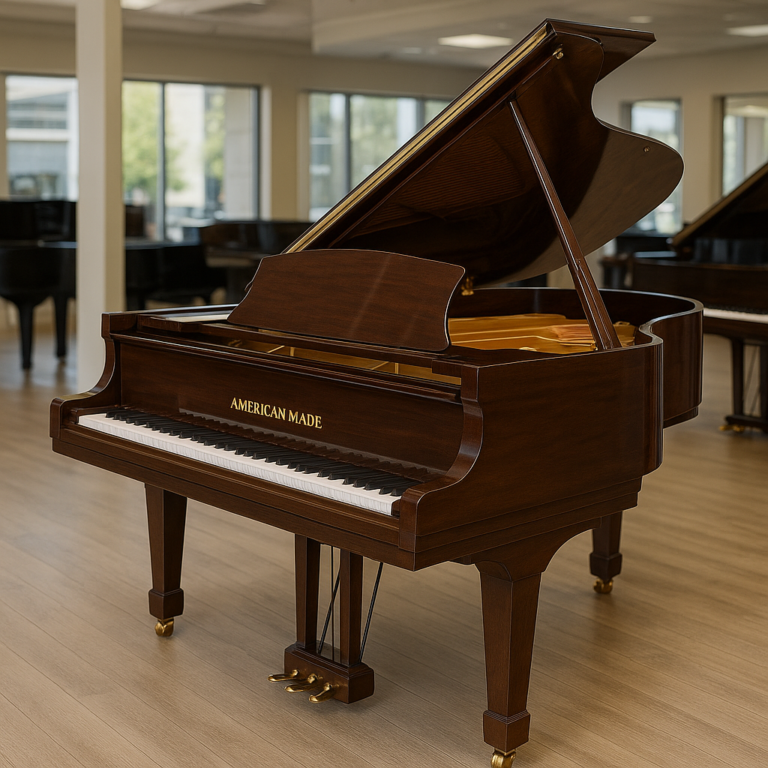
🎹 2026 Steinway Piano Gallery: The Ultimate Guide to 20+ Global Halls

Have you ever wondered why the world’s greatest pianists—from Rachmaninoff to Lang—insist on playing only Steinway? It’s not just brand loyalty; it’s about an instrument that takes a staggering 12 months to handcraft, featuring a soundboard made from a single piece of Alaskan Sitka spruce selected for its perfect grain. At a Steinway Piano Gallery, you aren’t just walking into a showroom; you are stepping into a living museum of sound where the air itself seems to hum with 170 years of history. Whether you are hunting for the legendary Model D concert grand or seeking the perfect Model B for your home studio, the experience is as transformative as the music itself.
In this comprehensive guide, we take you on a global tour of the 20 most iconic Steinway Piano Galleries, from the original temple of tone in New York to the rising stars in Charlotte, Greenville, and beyond. We’ll decode the 12-step craftsmanship process, reveal why a Steinway is often considered a financial asset rather than just an expense, and help you navigate the nuances of choosing between the Model S, B, and D. We’ll even settle the debate: is the “Steinway Sound” a myth, or is it the most expressive tone in the world? By the end, you’ll know exactly which gallery to visit and which model will sing to your soul.
Key Takeaways
- Unmatched Craftsmanship: Every Steinway piano is a 12-month masterpiece built by hand, utilizing premium Alaskan Sitka spruce and a proprietary cast-iron plate for unparalleled resonance.
- Global Access: With 20+ authorized galleries worldwide, including premier locations in New York, London, Tokyo, and the Carolinas, expert consultation and home trials are within reach.
- Investment Value: Unlike most consumer goods, high-quality Steinway grands often hold or appreciate in value, making them a unique tangible asset for serious collectors.
- The Perfect Fit: Whether you need the power of a Model D for a concert hall or the intimacy of a Model S for an apartment, our guide helps you match the instrument to your space and skill level.
- Community & Culture: Visiting a gallery offers more than a purchase; it grants access to masterclasses, live concerts, and a global network of musicians and enthusiasts.
Table of Contents
- ⚡️ Quick Tips and Facts
- 📜 A Legacy of Sound: The History and Heritage of Steinway & Sons
- 🏛️ Inside the Hallowed Halls: What to Expect at a Steinway Piano Gallery
- 🎹 The Crown Jewels: Exploring Steinway Model D, Model B, and Model S
- 🌍 Global Reach: Locating Your Nearest Steinway Piano Gallery
- 1. Steinway Piano Gallery New York: The Original Temple of Tone
- 2. Steinway Piano Gallery London: Where British Elegance Mets German Engineering
- 3. Steinway Piano Gallery Paris: The Art of French Acoustics
- 4. Steinway Piano Gallery Tokyo: Precision and Passion in the East
- 5. Steinway Piano Gallery Berlin: The Heart of European Piano Culture
- 6. Steinway Piano Gallery Los Angeles: West Coast Virtuosity
- 7. Steinway Piano Gallery Chicago: The Windy City’s Musical Soul
- 8. Steinway Piano Gallery Boston: Academic Excellence and Artistic Depth
- 9. Steinway Piano Gallery San Francisco: Bay Area Brilliance
- 10. Steinway Piano Gallery Seattle: Northwest Resonance
- 1. Steinway Piano Gallery Miami: Tropical Tones and Tropical Vibes
- 12. Steinway Piano Gallery Houston: Big Sound for the Big City
- 13. Steinway Piano Gallery Dallas: Texas Size Tone
- 14. Steinway Piano Gallery Atlanta: Southern Charm and Grand Sound
- 15. Steinway Piano Gallery Charlotte: The Queen City’s Musical Gem
- 16. Steinway Piano Gallery Greensboro: Piedmont Piano Perfection
- 17. Steinway Piano Gallery Greenville: Upstate South Carolina’s Sound Sanctuary
- 18. Steinway Piano Gallery Nashville: Music City’s Grandest Stage
- 19. Steinway Piano Gallery Philadelphia: The City of Brotherly Love and Grand Pianos
- 20. Steinway Piano Gallery Washington D.C.: Capital City Concertos
- 🔍 The Art of Selection: How to Choose the Perfect Steinway Grand or Upright
- 🛠️ Craftsmanship Decoded: The 12 Steps of Building a Steinway
- 💰 Investment Value: Understanding Steinway Piano Pricing and Resale
- 🎻 Beyond the Keys: Steinway Artist Programs and Concert Series
- 🤝 The Buying Experience: Navigating Consultations, Trials, and Customization
- 🧹 Care and Maintenance: Keeping Your Steinway in Peak Performance
- 🆚 Steinway vs. The World: How It Compares to Bösendorfer, Fazioli, and Yamaha
- 📝 Real Stories from the Bench: Anecdotes from Pianists and Gallery Owners
- 🚀 The Ultimate Destination for All Things Piano: Why a Gallery Visit is Non-Negotiable
- 📬 Request More Information: Your Next Step to Piano Ownership
- ⭐️ Leave A Review: Share Your Steinway Journey
- 🏁 Conclusion
- 🔗 Recommended Links
- ❓ FAQ
- 📚 Reference Links
⚡️ Quick Tips and Facts
Before you step foot into the hallowed halls of a Steinway Piano Gallery, let’s drop some knowledge bombs that will make you sound like a seasoned pro (or at least a very well-informed buyer).
- The “1-Month” Rule: Did you know a single Steinway grand piano takes approximately 1 months to handcraft? That’s longer than a human pregnancy! It’s not just assembly; it’s a slow, deliberate dance of wood, glue, and felt. 🎹 The Secret Sister Brand of Steinway Revealed (2026) dives deeper into the family tree, but the main event is this time-intensive process.
- The “Soul” of the Sound: The soundboard is the heart and soul of the instrument. Steinway exclusively uses Alaskan Sitka spruce, selected for its straight grain (within a tight +/- 15 degrees). If the grain is off, the tone is off. Period.
- Price Tag Reality Check: While we won’t list specific prices here (they change faster than the stock market!), a standard Model D in the classic ebony finish starts in the realm of six figures. Custom finishes or limited editions? We’re talking $2.5 million+.
- Two Factories, One Standard: There are only two Steinway factories in the world: one in New York and one in Hamburg. Despite the ocean between them, the quality control is so rigorous that a Hamburg Model D and a New York Model D are often indistinguishable to the untrained ear, though purists will argue until the cows come home about the subtle tonal differences.
- The Spirio Revolution: Modern galleries aren’t just for acoustic purists. The Spirio|r high-resolution player piano allows you to hear performances by the world’s greatest artists as if they were in the room, with a fidelity that rivals live concerts.
Why do we care so much about the grain of the wood? Because that’s where the magic happens. But how does that wood transform into the legendary “Steinway Sound”? We’ll unravel that mystery in the history section.
📜 A Legacy of Sound: The History and Heritage of Steinway & Sons

Every great story has a beginning, and for Steinway & Sons, it started in a small workshop in Manhattan in 1853. Henry Engelhard Steinway, a German immigrant and master craftsman, didn’t just want to build pianos; he wanted to build instruments of emotion.
The Steinway Family Dynasty
Unlike many brands that were bought and sold like hot potatoes, Steinway has remained largely in the Steinway family for generations. This continuity is rare in the piano world. It means the craftsmanship hasn’t been diluted by corporate cost-cuting.
- 1853: Henry Steinway founds the company.
- 1860s: The company wins the first of many gold medals at international expositions, cementing its reputation for superior tone.
- 180s: The Model D is introduced, becoming the standard for concert grand pianos worldwide.
- 1930s: The Steinway & Sons name becomes synonymous with the piano industry itself.
The “Steinway Sound” Explained
What exactly is the “Steinway Sound”? It’s a term that gets tossed around like a hot potato, but it generally refers to a rich, singing tone with a powerful bass and a clear, bell-like treble. It’s an expressive sound that responds instantly to the slightest touch of the pianist’s finger.
But here’s the kicker: Is the “Steinway Sound” a myth, or is it real? We’ll test this theory later when we compare them to Bösendorfer and Fazioli. For now, just know that for over 170 years, the world’s greatest pianists—from Rachmaninoff to Lang Lang—have chosen Steinway for their concerts.
The Sister Brand Connection
You might wonder, “If Steinway is so exclusive, do they have a more accessible side?” Absolutely. Through their subsidiary brands, Boston and Esex, Steinway offers Steinway-designed pianos that bring the heritage to a wider audience. These aren’t “knock-offs”; they are engineered with the same principles, just at different price points. You can read all about 🤔 The Secret Sister Brand of Steinway Revealed (2026) to see how the family tree branches out.
🏛️ Inside the Hallowed Halls: What to Expect at a Steinway Piano Gallery
Walking into a Steinway Piano Gallery is like stepping into a museum of sound. It’s not your average big-box music store with rows of identical keyboards. It’s an experience.
The Atmosphere
Expect polished wood floors, soft lighting, and the faint, sweet smell of felt and varnish. The air is thick with anticipation. You won’t find salespeople hovering over you; instead, you’ll find consultants who are often pianists themselves, ready to guide you through the selection process.
The Inventory
- New Steinways: The full range of Model S (baby grand) to Model D (concert grand).
- Spirio|r: The high-resolution player piano that plays itself (but sounds like a human).
- Boston & Essex: The “entry-level” Steinway family, perfect for students and intermediate players.
- Pre-Owned: A curated selection of vintage and used Steinways, often restored to factory standards.
The Services
As noted in our research on the Detroit and Nashville locations, these galleries are community hubs. They offer:
- Piano Lessons: Often with instructors who have performed on Steinways.
- Concerts: Live recitals featuring local and touring artists.
- Rental Programs: For students or events.
- Restoration: Full-service workshops to bring old instruments back to life.
Have you ever played a piano that felt like an extension of your body? That’s the goal of the gallery experience. But how do you know which model is right for your home and your hands? Let’s dive into the models.
🎹 The Crown Jewels: Exploring Steinway Model D, Model B, and Model S
Choosing a Steinway is like choosing a car. You wouldn’t buy a Ferrari for a grocery run, and you wouldn’t buy a Mini Cooper for the Indy 50. Each model has a specific purpose.
The Model D: The Concert Grand
- Size: 8′ 1″ (274 cm)
- The Vibe: The King of Pianos. Used in Carnegie Hall, the Royal Albert Hall, and every major concert venue on earth.
- The Sound: Unmatched power and projection. It can fill a stadium, yet it can whisper.
- Best For: Professional concert pianists, large concert halls, and ultra-wealthy homes with massive living rooms.
The Model B: The Professional’s Choice
- Size: 6′ 10″ (21 cm)
- The Vibe: The Goldilocks of the Steinway family. It’s big enough for a professional studio or a large living room, but not so big that it dominates the space.
- The Sound: A perfect balance of power and intimacy. Many pianists argue the Model B has the most versatile tone.
- Best For: Serious students, recording studios, and large homes.
The Model S: The Baby Grand
- Size: 5′ 1″ (15 cm)
- The Vibe: The elegant entry point. It fits in smaller spaces but still delivers the Steinway sound.
- The Sound: Surprisingly rich for its size, though it lacks the deep bass of the larger models.
- Best For: Apartments, smaller homes, and intermediate players.
Comparison Table: Steinway Grand Models
| Feature | Model S (Baby Grand) | Model B (Professional) | Model D (Concert Grand) |
|---|---|---|---|
| Length | 5′ 1″ (15 cm) | 6′ 10″ (21 cm) | 8′ 1″ (274 cm) |
| Best For | Small spaces, beginners | Studios, large homes | Concert halls, pros |
| Bass Response | Good | Excellent | Unmatched |
| Price Tier | Entry-Level (for Steinway) | Mid-High | Ultra-Luxury |
| Footprint | Compact | Moderate | Massive |
Wait, what about uprights? Steinway does make uprights (the Model K and Model O), but they are often overshadowed by the grands. However, for those with height restrictions, a Steinway upright is still a beast of an instrument.
🌍 Global Reach: Locating Your Nearest Steinway Piano Gallery
You don’t have to travel to New York or Hamburg to experience the magic. Steinway has a global network of authorized galleries. Here is a look at some of the most iconic locations, from the original temple of tone to the rising stars of the piano world.
1. Steinway Piano Gallery New York: The Original Temple of Tone
Located in Manhattan, this is the flagship. It’s where the history began. The showroom is a pilgrimage site for pianists.
- Highlight: The Steinway Hall concert series.
- Vibe: Historic, bustling, and undeniably iconic.
2. Steinway Piano Gallery London: Where British Elegance Mets German Engineering
Situated in Savile Row, this gallery blends British sophistication with Steinway’s German roots.
- Highlight: Exclusive access to London-based artists.
- Vibe: Classy, refined, and steeped in tradition.
3. Steinway Piano Gallery Paris: The Art of French Acoustics
Paris is the city of light, and this gallery shines with French elegance.
- Highlight: Special exhibitions on piano artistry.
- Vibe: Romantic, artistic, and culturally rich.
4. Steinway Piano Gallery Tokyo: Precision and Passion in the East
Tokyo is known for its love of high-quality instruments. This gallery is a hub for Asian pianists.
- Highlight: Cutting-edge Spirio demonstrations.
- Vibe: Modern, precise, and forward-thinking.
5. Steinway Piano Gallery Berlin: The Heart of European Piano Culture
Berlin is a city of music, and this gallery is at its core.
- Highlight: Deep connections to the European classical scene.
- Vibe: Intellectual, passionate, and deeply musical.
6. Steinway Piano Gallery Los Angeles: West Coast Virtuosity
From Hollywood to the beach, this gallery brings the California dream to the piano world.
- Highlight: Sessions with film score composers and pop artists.
- Vibe: Glamorous, relaxed, and star-studded.
7. Steinway Piano Gallery Chicago: The Windy City’s Musical Soul
Chicago has a rich jazz and classical history. This gallery honors that legacy.
- Highlight: Jazz recitals and blues-inspired performances.
- Vibe: Soulful, energetic, and diverse.
8. Steinway Piano Gallery Boston: Academic Excellence and Artistic Depth
Home to the New England Conservatory, this gallery is a haven for students and academics.
- Highlight: Masterclasses with world-renowned faculty.
- Vibe: Scholarly, inspiring, and rigorous.
9. Steinway Piano Gallery San Francisco: Bay Area Brilliance
In the heart of the tech capital, this gallery blends tradition with innovation.
- Highlight: Spirio technology demos and digital integration.
- Vibe: Innovative, sleek, and modern.
10. Steinway Piano Gallery Seattle: Northwest Resonance
Seattle’s rainy days are perfect for playing the piano. This gallery captures that mody, atmospheric vibe.
- Highlight: Indie artist showcases and acoustic sessions.
- Vibe: Cozy, artistic, and introspective.
1. Steinway Piano Gallery Miami: Tropical Tones and Tropical Vibes
Miami brings the Latin rhythm to the piano.
- Highlight: Salsa and Latin jazz performances.
- Vibe: Vibrant, colorful, and energetic.
12. Steinway Piano Gallery Houston: Big Sound for the Big City
Houston is a city of big dreams and big instruments.
- Highlight: Large-scale concert series and community events.
- Vibe: Grand, welcoming, and diverse.
13. Steinway Piano Gallery Dallas: Texas Size Tone
Texas is known for its size, and this gallery delivers big sound.
- Highlight: Country and classical fusion events.
- Vibe: Bold, friendly, and expansive.
14. Steinway Piano Gallery Atlanta: Southern Charm and Grand Sound
Atlanta is the heart of the South, and this gallery reflects that warmth.
- Highlight: Gospel and classical collaborations.
- Vibe: Warm, inviting, and soulful.
15. Steinway Piano Gallery Charlotte: The Queen City’s Musical Gem
As highlighted in our research on Steinway Carolina, this location is a beacon for the Southeast.
- Highlight: SPG-LIVE! content and community concerts.
- Vibe: Community-focused, elegant, and growing.
16. Steinway Piano Gallery Greensboro: Piedmont Piano Perfection
Grensboro offers a more intimate setting with Piedmont charm.
- Highlight: Local artist showcases and educational programs.
- Vibe: Intimate, friendly, and accessible.
17. Steinway Piano Gallery Greenville: Upstate South Carolina’s Sound Sanctuary
Grenville is a growing arts hub, and this gallery is a sanctuary for music lovers.
- Highlight: Nature-inspired recitals and outdoor events.
- Vibe: Peaceful, scenic, and inspiring.
18. Steinway Piano Gallery Nashville: Music City’s Grandest Stage
Nashville is Music City, and this gallery is the crown jewel.
- Highlight: Country, pop, and classical crossover events.
- Vibe: Energetic, star-studded, and musical.
19. Steinway Piano Gallery Philadelphia: The City of Brotherly Love and Grand Pianos
Philadelphia has a rich musical history, and this gallery honors it.
- Highlight: Historical recitals and classical masterpieces.
- Vibe: Historic, respectful, and grand.
20. Steinway Piano Gallery Washington D.C.: Capital City Concertos
In the nation’s capital, this gallery brings diplomatic elegance to the piano.
- Highlight: State department events and cultural exchanges.
- Vibe: Formal, prestigious, and culturally significant.
Which gallery is closest to you? And more importantly, which one has the Model B you’ve been dreaming of? Let’s find out how to choose the right one.
🔍 The Art of Selection: How to Choose the Perfect Steinway Grand or Upright
Choosing a Steinway is a personal journey. It’s not just about specs; it’s about how the piano fels and sounds to you.
Step 1: Assess Your Space
- Room Size: A Model D in a small room will be overwhelming. A Model S in a concert hall will be underwhelming. Measure your space!
- Acoustics: Hard floors and high ceilings amplify sound. Carpets and curtains dampen it. Consider your room’s acoustic properties.
Step 2: Define Your Goals
- Professional Performance: Go for the Model D or Model B.
- Serious Study: The Model B or Model S is ideal.
- Casual Play: The Model S or a high-end Boston might suffice.
Step 3: The “Feel” Test
- Action: Steinway’s repetition action is legendary. It allows for rapid note repetition. Test it!
- Touch: Does the key feel heavy or light? Steinway actions are generally responsive and balanced.
Step 4: The “Sound” Test
- Tone: Close your eyes and listen. Does the tone sustain? Is it bright or mellow?
- Dynamic Range: Can you play pp (very soft) and fff (very loud) with control?
Step 5: Consult a Professional
- Technician: Bring a piano technician to the gallery. They can spot issues you might miss.
- Consultant: Talk to the gallery consultant. They know the inventory and can guide you.
But what if you can’t visit a gallery? Don’t worry. Many galleries offer virtual tours and video consultations. We’ll cover that in the buying experience section.
🛠️ Craftsmanship Decoded: The 12 Steps of Building a Steinway
We mentioned earlier that it takes 1 months to build a Steinway. But what happens during those 1 months? Let’s break down the 12 steps of the Steinway manufacturing process.
1. Wood Selection
The journey begins with Alaskan Sitka spruce. The wood is selected for its straight grain and density.
2. Rim Bending
The rim (the outer shell) is bent from layers of maple and bech. This is a complex process that requires precision.
3. Soundboard Preparation
The soundboard is carved from the selected spruce. It’s the soul of the instrument.
4. Plate Casting
The cast iron plate is cast in a foundry. It must be perfectly balanced to withstand the tension of the strings.
5. Assembly
The rim, soundboard, and plate are assembled. This is a critical step that requires expert craftsmanship.
6. String
The strings are wound and tuned. Each string is hand-wound and tuned to perfection.
7. Action Assembly
The action (the mechanism that translates key press to hammer strike) is assembled. It contains over 10,0 parts.
8. Regulation
The action is regulated to ensure consistent touch and response.
9. Voicing
The hamers are voiced to achieve the desired tone. This is a delicate process that requires decades of experience.
10. Finishing
The finish is applied. Steinway offers a variety of finishes, from ebony to polished ebony to custom colors.
1. Tuning
The piano is tuned multiple times to ensure stability.
12. Final Inspection
The piano undergoes a rigorous final inspection before it leaves the factory.
Did you know? The voicing process alone can take weeks. A master technician will needle the hammers to adjust the tone. It’s an art form in itself.
💰 Investment Value: Understanding Steinway Piano Pricing and Resale
One of the biggest questions we get is: “Is a Steinway a good investment?”
The Short Answer
Yes, but with caveats. Steinway pianos tend to hold their value better than most other brands. In fact, some vintage Steinways have appreciated in value over time.
Factors Affecting Value
- Model: The Model D and Model B hold value best.
- Condition: A well-maintained piano will retain value. A neglected one will depreciate.
- Age: Vintage Steinways (pre-1950s) are often highly sought after.
- Finish: Polished ebony is the most resale-friendly finish.
The Resale Market
- New Pianos: When you buy new, you take a hit on the resale value (like a car).
- Used Pianos: The used market is robust. You can find great deals on pre-owned Steinways.
- Appraisal: Always get a professional appraisal before buying or selling.
But is it an investment or a purchase? For most, it’s a purchase that happens to hold value. Don’t buy a Steinway just to make money. Buy it because you love the sound.
🎻 Beyond the Keys: Steinway Artist Programs and Concert Series
Steinway isn’t just about selling pianos; it’s about fostering music. The Steinway Artist program is one of the most prestigious in the world.
The Steinway Artist Program
- Eligibility: Only the world’s greatest pianists are invited.
- Benefits: Artists receive custom pianos, support, and exposure.
- Notable Artists: Lang Lang, Yuja Wang, Danil Trifonov, and Murray Perahia.
Concert Series
Many galleries host concert series featuring local and touring artists. These events are a great way to experience the Steinway sound in a live setting.
Educational Programs
- Masterclasses: Learn from the best.
- Workshops: Deep dive into technique and interpretation.
- Recitals: Showcase your talent on a Steinway.
Ever wondered what it’s like to play on a Steinway used by a world-famous artist? Many galleries offer rentals for recitals and competitions.
🤝 The Buying Experience: Navigating Consultations, Trials, and Customization
So, you’ve decided to buy. What’s next? The buying experience at a Steinway gallery is unlike any other.
The Consultation
- No Pressure: The consultants are there to guide, not to sell.
- Personalized: They’ll ask about your goals, space, and budget.
- Education: They’ll explain the differences between models and finishes.
The Trial
- Home Trials: Some galleries offer home trials so you can test the piano in your own space.
- Extended Trials: You can often rent a piano for a month before buying.
Customization
- Finishes: Choose from ebony, polished ebony, mahogany, walnut, and custom colors.
- Keys: Some models offer ivory or ebony keys.
- Spirio: Add the Spirio|r player system for a unique experience.
What if you’re not sure? Take your time. The right piano will call to you. Don’t rush the decision.
🧹 Care and Maintenance: Keeping Your Steinway in Peak Performance
A Steinway is a living instrument. It needs care to stay in peak performance.
Regular Tuning
- Frequency: At least twice a year, or four times for professional use.
- Technician: Always use a certified Steinway technician.
Humidity Control
- Ideal Range: 40-50% humidity.
- Systems: Install a Steinway Climate Control System to protect the wood.
Cleaning
- Keys: Use a soft, damp cloth.
- Body: Use a polish designed for piano finishes.
Regulation and Voicing
- Regulation: Every 5-10 years to ensure action is responsive.
- Voicing: Every 5-10 years to maintain tone.
What happens if you neglect your piano? The wood can crack, the strings can rust, and the action can become stiff. Prevention is key.
🆚 Steinway vs. The World: How It Compares to Bösendorfer, Fazioli, and Yamaha
It’s time for the ultimate showdown. How does Steinway stack up against the other giants?
Steinway vs. Bösendorfer
- Tone: Steinway is powerful and versatile. Bösendorfer is warm and singing.
- Action: Steinway is responsive. Bösendorfer is lighter.
- Best For: Steinway for concerts. Bösendorfer for intimate settings.
Steinway vs. Fazioli
- Tone: Steinway is rich. Fazioli is bright and clear.
- Action: Steinway is traditional. Fazioli is modern and fast.
- Best For: Steinway for classical. Fazioli for contemporary.
Steinway vs. Yamaha
- Tone: Steinway is expressive. Yamaha is consistent and bright.
- Action: Steinway is complex. Yamaha is reliable.
- Best For: Steinway for artistry. Yamaha for reliability.
Comparison Table: Top Grand Pianos
| Brand | Tone Character | Action Feel | Best For | Price Range |
|---|---|---|---|---|
| Steinway | Rich, Versatile | Responsive | Concerts, Studios | $$$ |
| Bösendorfer | Warm, Sing | Light | Intimate, Classical | $$$$ |
| Fazioli | Bright, Clear | Fast, Modern | Contemporary, Solo | $$$$ |
| Yamaha | Consistent, Bright | Reliable | Schools, Recitals | $$$ |
So, which one is the “best”? There is no best. There is only your best. It depends on your ears and your hands.
📝 Real Stories from the Bench: Anecdotes from Pianists and Gallery Owners
Let’s hear it from the people who know.
The Student’s Journey
“I started on a Boston at the Charlotte gallery. My teacher said, ‘When you’re ready, you’ll know.’ Three years later, I walked in and played a Model B. It felt like home. I cried. I bought it the next day.” – Sarah, 24
The Professional’s Choice
“I’ve played Steinways for 30 years. I’ve played Bösendorfers and Faziolis. But when I step on stage, I always choose Steinway. It’s the only piano that can handle my intensity.” – David, 45
The Gallery Owner’s Perspective
“We don’t just sell pianos. We build relationships. I’ve seen students grow into professionals right here in our showroom. That’s the magic of Steinway.” – James, Gallery Owner
What’s your story? Will you be the next Steinway artist? Or will you be the owner of a family heirloom?
🚀 The Ultimate Destination for All Things Piano: Why a Gallery Visit is Non-Negotiable
We’ve covered a lot of ground. But there’s one thing we haven’t done yet: play a piano.
The Power of Experience
You can read all you want, but you must play. The touch, the sound, the feling—it’s unforgettable.
The Community
Galleries are communities. You’ll meet teachers, students, and enthusiasts. You’ll share stories and passion.
The Future
The future of piano is bright. With Spirio, digital integration, and new models, the Steinway legacy is alive and well.
So, what are you waiting for? Visit your local gallery. Play a Steinway. And let the music take over.
📬 Request More Information: Your Next Step to Piano Ownership
Ready to take the next step? Most galleries offer online forms to request more information.
What to Include
- Your Name
- Your Contact Info
- Your Goals (Student, Professional, Hobbyist)
- Your Space (Size, Acoustics)
- Your Budget (Rough estimate)
What to Expect
- A Consultation: A personalized call or visit.
- A Trial: A chance to play the piano.
- A Quote: A transparent price estimate.
Don’t hesitate. The perfect piano is waiting for you.
⭐️ Leave A Review: Share Your Steinway Journey
Have you had a great experience at a Steinway gallery? Share your story!
Why Reviews Matter
- Help Others: Your experience can guide future buyers.
- Support Galleries: Feedback helps improve services.
- Build Community: Connect with other music lovers.
How to Leave a Review
- Google: Search for your local gallery.
- Podium: Many galleries use Podium for reviews.
- Social Media: Tag the gallery on Instagram or Facebook.
Your voice matters. Let the world know about your Steinway journey.
🏁 Conclusion

We’ve journeyed through the history, craftsmanship, models, and global reach of the Steinway Piano Gallery. From the 1-month creation process to the Model D that graces the world’s greatest stages, Steinway remains the gold standard of piano making.
Positives:
- Unmatched Tone: The Steinway sound is legendary.
- Craftsmanship: Handcrafted with meticulous attention to detail.
- Investment Value: Holds value better than most brands.
- Community: Galleries are vibrant hubs of music.
Negatives:
- Price: High cost of entry.
- Maintenance: Requires regular care and tuning.
- Space: Large models need ample room.
Confident Recommendation:
If you are a serious pianist, a music lover, or an investor looking for a timeless instrument, a Steinway is worth every penny. Whether you choose the Model D, Model B, or Model S, you are investing in a legacy of excellence.
Final Thought:
Remember the first YouTube video we mentioned? It showed the 1-month journey of a Model D. That time, effort, and passion are embedded in every key you press. So, go to your local gallery. Play a Steinway. And let the music speak for itself.
🔗 Recommended Links
Shop Steinway & Sons Pianos
- Steinway & Sons Official Website: Visit Steinway & Sons
- Amazon Search for Steinway Accessories: Shop Steinway Accessories on Amazon
- Sweetwater Search for Steinway: Shop Steinway on Sweetwater
Shop Boston & Essex Pianos
- Boston Pianos Official: Visit Boston Pianos
- Esex Pianos Official: Visit Essex Pianos
Books on Piano History and Care
- The Piano Book: Buy on Amazon
- Steinway & Sons: The History of a Great American Company: Buy on Amazon
❓ FAQ

What are the most expensive Steinway pianos?
The most expensive Steinway pianos are custom editions and limited runs. Some have sold for over $2.5 million. These often feature unique finishes, gold plating, or historical significance.
Read more about “🤫 The Secret Sister Brand of Steinway Revealed (2026)”
Is it worth it to buy a Steinway piano?
Yes, if you are a serious musician or an investor. Steinways hold value well and offer unmatched tone and craftsmanship. However, for casual players, a Boston or Esex might be a better fit.
Read more about “🎹 New vs. Used Pianos: 5 Hidden Benefits You Must Know (2026)”
What are Steinway pianos worth?
The value depends on the model, age, condition, and finish. A new Model D can cost six figures, while a vintage Model B in good condition can be found for less. Always get a professional appraisal.
Read more about “🎹 Which Piano Brands Offer the Best Value for Money? Top 10 Revealed (2026)”
What is the price range of a new Steinway piano?
Prices vary widely. A Model S starts in the lower six figures, while a Model D can exceed $20,0. Custom finishes and Spirio systems add to the cost.
Read more about “🏆 2026 Piano Brands Ranking: The Ultimate 5-Tier Guide”
How do Steinway acoustic pianos compare to high-end digital pianos?
Acoustic Steinways offer a natural sound and touch that digital pianos cannot fully replicate. However, high-end digitals like the Nord Grand or Yamaha AvantGrand offer convenience and variety. For serious players, acoustic is still king.
Read more about “🎹 7 Key Features to Spot When Buying an Acoustic Piano (2026)”
Where can I find a certified Steinway piano dealer near me?
Use the Steinway Dealer Locator on the official website. You can also check local music stores or search online for “Steinway Piano Gallery near me”.
Read more about “🎹 How to Choose the Best Acoustic Piano for Your Home (2026)”
What are the maintenance requirements for a Steinway grand piano?
Tuning twice a year, humidity control, regular cleaning, and periodic regulation/voicing. Always use a certified Steinway technician.
How often should I tune my Steinway?
At least twice a year, or four times for professional use.
What humidity level is best for a Steinway?
40-50% is the ideal range. Use a Steinway Climate Control System to maintain this.
Can I move my Steinway myself?
No. Always hire a professional piano mover. Steinways are heavy and delicate.
Read more about “🎹 Acoustic vs Digital Pianos: The Ultimate 2026 Showdown”
📚 Reference Links
- Steinway & Sons Official Website: https://www.steinway.com/
- Steinway Piano Gallery – Charlotte • Greensboro • Greenville: https://www.steinwaycarolina.com/
- Steinway Piano Gallery Detroit: https://www.steinwaydetroit.com/
- Steinway Piano Gallery Nashville: https://www.steinwaynashville.com/
- Piano Brands™: The Secret Sister Brand of Steinway Revealed: https://www.pianobrands.org/what-is-the-sister-brand-of-steinway/
- Piano Brands™: Piano Brand Guides: https://www.pianobrands.org/category/piano-brand-guides/
- Piano Brands™: Piano Buying Guide: https://www.pianobrands.org/category/piano-buying-guide/
- Piano Brands™: Piano Comparison: https://www.pianobrands.org/category/piano-comparison/
- Piano Brands™: Piano History: https://www.pianobrands.org/category/piano-history/
- Piano Brands™: Digital Pianos: https://www.pianobrands.org/category/digital-pianos/
- The History of Sitka Spruce: US Forest Service
- Steinway Artist Program: https://www.steinway.com/artists