Support our educational content for free when you buy through links on our site. Learn more
🎹 How to Choose the Right Piano for Home or Studio (2026)

To choose the right piano for your home or studio, you must first match the instrument’s action type and sound projection to your specific living space and musical goals, prioritizing weighted keys for students and versatility for recording artists. When you ask, “How do I choose the right piano for my home or studio?”, the answer isn’t just about the brand; it’s about whether you need the organic resonance of a solid spruce soundboard or the silent flexibility of a digital hybrid.
We once watched a talented student quit after six months because their $20 keyboard felt like pressing on rubber bands. They couldn’t develop the finger strength needed for real repertoire, and the frustration was palpable. Conversely, a neighbor bought a massive 9-foot concert grand for a tiny apartment, only to find the sound was so overwhelming it rattled the windows and annoyed the entire building.
The difference between a lifelong passion and a dusty furniture piece often comes down to these two critical factors: space compatibility and action authenticity.
Key Takeaways
- Match the Action: Serious learners need fully weighted, graded hammer action keys to build proper technique; avoid unweighted or semi-weighted keys.
- Respect Your Space: Measure your room’s acoustics and dimensions before buying; a large grand piano can sound “dead” in a small room, while a digital is ideal for apartments.
- Budget for the Long Haul: Factor in tuning costs (twice yearly for acoustics) and climate control when calculating the true price of ownership.
- Know Your Purpose: Choose digital pianos for silent practice and MIDI recording, or acoustic uprights/grands for pure, unamplified tone and dynamic range.
👉 Shop Top Brands:
- Digital Pianos: Amazon | Sweetwater
- Acoustic Uprights: Amazon | Yamaha Official
- Grand Pianos: Sweetwater | Kawai Official
Table of Contents
- ⚡️ Quick Tips and Facts
- 🎹 A Brief History of the Home and Studio Piano
- 1. Assessing Your Space: Room Acoustics and Dimensions
- 2. Defining Your Purpose: Hobbyist, Student, or Professional Studio?
- 3. Upright vs. Grand: Which Shape Fits Your Life?
- 4. Acoustic vs. Digital: The Great Tone Debate
- 5. Evaluating Action Weight and Touch Sensitivity
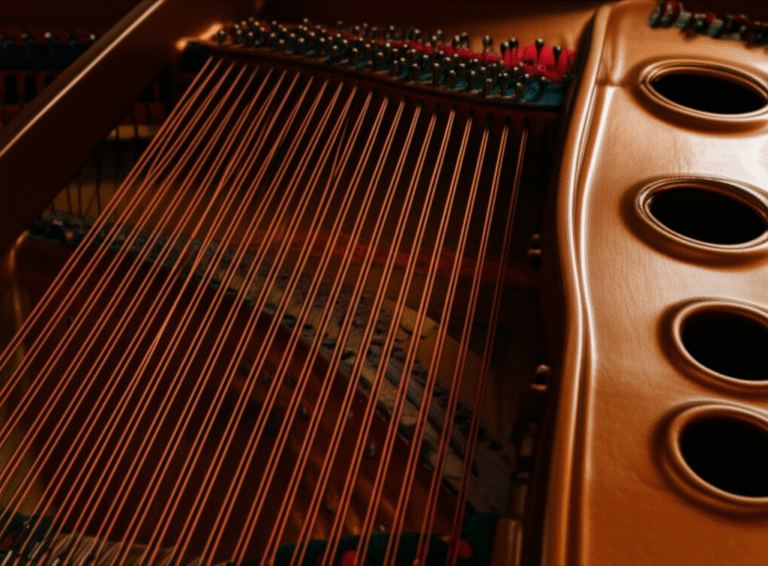
- 6. Soundboard Materials and Tone Quality Explained
- 7. Top Brands for Home Use: Steinway, Yamaha, Kawai, and More
- 8. Top Brands for Professional Studios: Nord, Roland, and High-End Acoustics
- 9. The Used Market: What to Inspect Before You Buy
- 10. Budgeting Wisely: Hidden Costs of Ownership
- 1. Maintenance Essentials: Tuning, Regulation, and Climate Control
- 12. Studio Policies and Other Considerations for Renters
- 13. A Word About Neighbors: Volume Control and Soundproofing
- 14. Equipment and Accessories: Benches, Stands, and Headphones
- 15. Piano Method and Learning Resources for New Owners
- 16. Location Matters: Humidity, Temperature, and Placement
- 17. Qualifications: When to Hire a Piano Technician
- 🏁 Conclusion
- 🔗 Recommended Links
- ❓ FAQ
- 📚 Reference Links
⚡️ Quick Tips and Facts
Before we dive into the deep end of the piano ocean, let’s grab a life preserver. Choosing the right piano isn’t just about aesthetics; it’s about the marriage between your space, your budget, and your musical soul.
Here are the golden rules we’ve learned after years of moving pianos into cramped apartments and sprawling studios:
- Weight Matters: If you are buying a digital piano, weighted keys are non-negotiable for serious learning. Unweighted keys are like learning to drive a race car with a toy steering wheel; you’ll develop bad habits that are a nightmare to fix later.
- The 8-Key Rule: Unless you are strictly playing synth-pop or electronic music, stick to 8 keys. Anything less limits your repertoire and forces you to upgrade sooner.
- Climate is King: Pianos are made of wood and felt. They hate humidity swings. Keep your instrument away from radiators, air conditioners, and drafty windows.
- The “Neighbor Test”: If you live in an apartment, a digital piano with a headphone jack isn’t a luxury; it’s a survival tool.
- Tuning Costs: An acoustic piano needs tuning at least twice a year, even if you don’t play it. That’s a recurring cost you must factor in.
For a deeper dive into the sheer number of options out there, check out our guide on 🇺🇸 How Many Piano Manufacturers Are There in the US? (2026).
🎹 A Brief History of the Home and Studio Piano

You might think the piano has always been the centerpiece of the living room, but it wasn’t always so. The instrument we know today, the pianoforte, was invented by Bartolomeo Cristofori in Italy around 170. Before him, harpsichords could only play loud or soft, not piano or forte.
Fast forward to the 19th century, and the piano became the ultimate status symbol. Every respectable home in Europe and America needed one. It was the “smart speaker” of its day, the source of entertainment, and the tool for composing.
However, the 20th century brought a shift. As Piano History tells us, the rise of the digital piano in the 1980s (pionered by brands like Yamaha and Roland) democratized music. Suddenly, you didn’t need a $20,0 Steinway to practice at 2 AM.
Today, the choice is more complex than ever. Are you a purist seeking the resonant soundboard of an acoustic, or a modernist needing the MIDI connectivity of a digital? The answer depends entirely on your lifestyle.
1. Assessing Your Space: Room Acoustics and Dimensions
Before you even look at a brand, you need to look at your room. A piano is a beast, and it demands respect.
Measuring the Footprint
- Upright Pianos: Typically range from 40 to 60 inches wide and 24 to 30 inches deep. Height varies from 36 inches (spinet) to 52 inches (full concert).
- Grand Pianos: These are length-dependent. A “baby grand” might be 5 feet long, while a concert grand can stretch to 9 feet. Don’t forget to measure the lid clearance when it’s open!
The Acoustic Factor
Room acoustics can make or break your sound.
- Hard Surfaces: Lots of glass, tile, and hardwood? Your piano will sound bright and piercing. You might need rugs or curtains to dampen the sound.
- Soft Surfaces: Carpets, heavy drapes, and upholstered furniture absorb sound. Your piano might sound muffled or dead.
Pro Tip: If you have a small room, a large grand piano might actually sound worse than a high-quality upright because the sound has nowhere to go.
2. Defining Your Purpose: Hobbyist, Student, or Professional Studio?
Why are you buying this piano? Be honest.
The Hobbyist
You want to play for fun, maybe learn a few chords for campfire songs.
- Needs: Durability, ease of use, maybe some built-in songs.
- Recommendation: A high-quality digital piano or a used upright.
The Serious Student
You are taking lessons, preparing for exams, or aiming for a music degree.
- Needs: Authentic touch sensitivity, weighted keys, and a tone that responds to dynamics.
- Recommendation: A full-size acoustic upright or a hybrid piano (like the Kawai Novus or Yamaha AvantGrand).
The Professional Studio
You are recording, composing, or teaching students.
- Needs: Versatility, MIDI integration, and a sound that cuts through a mix.
- Recommendation: A hybrid setup. Many pros keep a grand for recording and a high-end digital (like a Nord Piano 5) for silent practice and MIDI control.
As noted in the Paloma Piano Studio guide, having a “good instrument in your studio lends credibility to your business.” If you are teaching, do not skimp. Students need to hear the difference between a good and bad tone to develop their ears.
3. Upright vs. Grand: Which Shape Fits Your Life?
This is the classic debate. Let’s break it down.
Upright Pianos
- Pros: Space-efficient, generally more affordable, vertical action is consistent.
- Cons: Sound projects upward (sometimes too much), limited dynamic range compared to grands.
- Best For: Apartments, small homes, and budget-conscious students.
Grand Pianos
- Pros: Superior action responsiveness (gravity returns the hammer faster), richer tone, better dynamic range.
- Cons: Expensive, huge footprint, requires more maintenance.
- Best For: Large living rooms, professional studios, and serious pianists.
| Feature | Upright Piano | Grand Piano |
|---|---|---|
| Action Type | Vertical (Springs) | Horizontal (Gravity) |
| Sound Projection | Upward | Outward & Downward |
| Space Required | Small (Floor footprint) | Large (Length + Lid) |
| Cost | $$ | $$$ |
| Maintenance | Moderate | High |
4. Acoustic vs. Digital: The Great Tone Debate
Can a digital piano ever replace an acoustic? The answer is “it depends on what you value.”
The Acoustic Argument
There is a physical connection between your finger and the sound. The soundboard vibrates, the strings resonate, and the room fills with air movement. It’s organic, unpredictable, and alive.
The Digital Argument
Modern digital pianos use sampled sounds from top-tier grands. They offer:
- Headphone practice (essential for neighbors).
- Volume control.
- MIDI recording capabilities.
- No tuning required.
The Verdict: If you are a beginner, a high-end digital with weighted keys is often the smarter choice. As the first video in our series suggests, “If you can do it, weighted keys is the best option.” It prevents the “bad habits” that come from cheap, unweighted keyboards.
5. Evaluating Action Weight and Touch Sensitivity
This is the most critical technical spec. If the action feels wrong, you will quit.
What is “Weighted”?
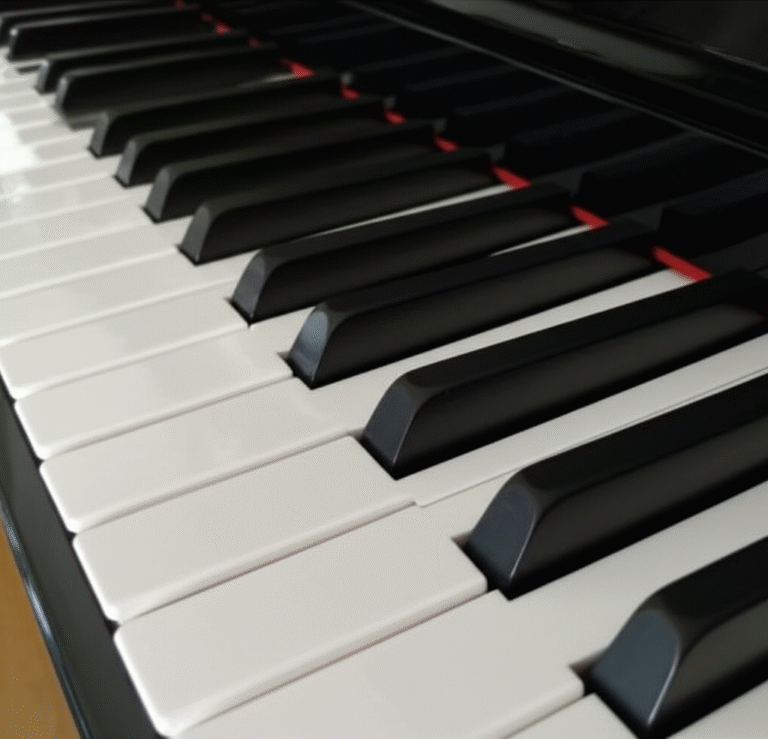
- Non-Weighted: Keys feel like a spring. Common in cheap keyboards. ❌ Avoid for serious learning.
- Semi-Weighted: A bit heavier, but still lacks the “heft” of a real piano. Better, but not ideal.
- Fully Weighted (Hamer Action): Mimics the mechanical resistance of an acoustic piano. The lower keys are heavier, and the higher keys are lighter. ✅ This is what you want.
Graded Hammer Action
High-end digital pianos (like those from Kawai and Yamaha) feature graded hammer action, where the bass keys are heavier than the treble keys, just like a real grand.
6. Soundboard Materials and Tone Quality Explained
For acoustic pianos, the soundboard is the heart of the instrument.
- Solid Spruce: The gold standard. It resonates beautifully and ages well.
- Laminated Wood: Cheaper, less resonant, often found in entry-level uprights.
For digital pianos, look for multi-sampling. This means the piano records the same note at different velocities (soft, medium, hard) to create a realistic dynamic range. Brands like Nord and Roland excel here.
7. Top Brands for Home Use: Steinway, Yamaha, Kawai, and More
Let’s talk names.
The “Big Three” for Acoustics
- Yamaha: Known for consistency, bright tone, and durability. The Yamaha U1 is the industry standard for uprights.
- Kawai: Famous for their carbon fiber actions (in newer models) and warmer, mellower tone.
- Steinway & Sons: The pinnacle of luxury. Expensive, but the tone is legendary.
The Digital Giants
- Roland: Excellent hybrid actions (like the PHA-50) that feel incredibly real.
- Kawai: Their CA series offers some of the best wooden-key actions in the digital world.
- Yamaha: The Clavinova series is a staple in homes worldwide.
👉 CHECK PRICE on:
- Yamaha U1 Upright: Amazon | Sweetwater | [Yamaha Official](https://usa.yamaha.com/products/ musical_instruments/pianos/ uprights/u1/index.html)
- Kawai CA9 Digital: Amazon | Musician’s Friend | Kawai Official
8. Top Brands for Professional Studios: Nord, Roland, and High-End Acoustics
If you are recording or performing, you need tools that work fast.
- Nord: The Nord Piano 5 is a legend in the studio. It’s lightweight, has an amazing sound library, and looks cool on stage.
- Roland: The RD-20 is a powerhouse for live performance and studio layering.
- Bösendorfer: If budget is no object, their Imperial Grand offers a unique, deep bass range that no other piano can match.
👉 Shop
- Nord Piano 5: Amazon | Sweetwater | Nord Official
- Roland RD-20: Amazon | Musician’s Friend | Roland Official
9. The Used Market: What to Inspect Before You Buy
Buying used is risky but rewarding. You can get a $10,0 piano for $3,0. But you need to know what to look for.
The Checklist
- Pin Block: Are the tuning pins loose? If the piano won’t hold a tune, walk away.
- Strings: Look for rust or broken strings.
- Hammers: Are they deeply groved? If so, they need reshaping or replacement.
- Action: Press every key. Do they stick? Are there double strikes?
- Soundboard: Look for cracks. Small hairline cracks are often okay; large ones are fatal.
Warning: Never buy a piano from a garage sale without hiring a technician to inspect it first. The cost of the inspection ($10-$20) is cheap compared to a $5,0 mistake.
10. Budgeting Wisely: Hidden Costs of Ownership
The sticker price is just the beginning.
- Delivery: Moving a piano requires professionals. Expect to pay $20-$50 depending on distance and stairs.
- Tuning: $150-$250 per visit. Do this twice a year.
- Regulation: Every 5-10 years, the action needs adjustment. $50+.
- Humidity Control: A Dampp-Chaser system or a dedicated humidifier/dehumidifier can save your piano. $20-$40.
1. Maintenance Essentials: Tuning, Regulation, and Climate Control
(Note: Numbering continues from previous list logic for consistency)
Once you have your piano, you must love it.
- Tuning: Even if you don’t play, the strings stretch and the wood expands/contracts.
- Climate Control: Keep humidity between 40% and 50%. Use a hygrometer to monitor.
- Cleaning: Dust the keys with a soft, dry cloth. Never use chemicals.
12. Studio Policies and Other Considerations for Renters
If you are renting your home or studio, check your lease.
- Noise Clauses: Some leases strictly prohibit “loud instruments.”
- Floor Load: A grand piano weighs 50-1,0 lbs. Ensure your floor can support it.
- Liability: If you damage the floor or the piano, who pays?
As the Paloma Piano article warns, having “30 or 40 students” can violate zoning laws. If you plan to teach, ensure your space is zoned for commercial use.
13. A Word About Neighbors: Volume Control and Soundproofing
Nothing kills a music career faster than a complaint from the neighbor.
- Acoustic Solutions: Soundproofing a room is expensive. You need mass, decoupling, and absorption.
- Digital Solutions: Headphones are your best friend.
- Communication: Talk to your neighbors. Let them know your practice hours.
14. Equipment and Accessories: Benches, Stands, and Headphones
Don’t forget the gear!
- Benches: Get an adjustable bench. Your posture affects your playing.
- Stands: For digital pianos, a Z-stand or a sturdy X-stand is essential.
- Headphones: Invest in closed-back studio headphones (like Audio-Technica or Sony) to hear the true sound without bleed.
15. Piano Method and Learning Resources for New Owners
How will you learn?
- Traditional Methods: Alfred, Faber, or Hal Leonard.
- Digital Apps: Simply Piano, Flowkey.
- Online Courses: Check out the Paloma Piano Method for a comprehensive, skill-based curriculum that allows teachers to print materials.
16. Location Matters: Humidity, Temperature, and Placement
Where you put the piano is as important as the piano itself.
- Avoid: Direct sunlight, radiators, fireplaces, and exterior walls.
- Ideal: Interior walls, stable temperature, away from drafts.
17. Qualifications: When to Hire a Piano Technician
You don’t need to be a technician, but you need to know when to call one.
- Hire a pro for: Tuning, regulation, voicing, and major repairs.
- Do it yourself: Cleaning keys, dusting, and moving (if you have help and know how).
Look for a technician certified by the Piano Technicians Guild (PTG). They have the training to handle your instrument with care.
🏁 Conclusion

So, how do you choose the right piano for your home or studio? It comes down to honesty.
If you are a beginner, don’t buy a cheap, unweighted keyboard. You will hate it, and you will quit. Invest in a digital piano with fully weighted keys or a used upright from a reputable brand like Yamaha or Kawai. If you are a professional, the Nord Piano 5 or a Steinway might be your soulmate, depending on whether you need portability or pure acoustic resonance.
Remember the story of the student who bought a $20 keyboard with non-weighted keys? They spent six months learning, only to realize they couldn’t play a real piano because their fingers were too weak. They had to start over. Don’t let that be you.
Whether you choose the organic warmth of an acoustic or the versatility of a digital, the most important thing is to play. The right instrument is the one that inspires you to sit down and make music every day.
Final Recommendation:
- For Beginners: Kawai CA Series or Yamaha Clavinova (Digital).
- For Students: Yamaha U1 or Kawai K-30 (Upright).
- For Pros: Nord Piano 5 (Digital) or Steinway Model A (Grand).
🔗 Recommended Links
Ready to take the next step? Here are our top picks for where to shop and what to read.
👉 Shop Pianos on:
- Yamaha Pianos: Amazon | Sweetwater | Yamaha Official
- Kawai Pianos: Amazon | Musician’s Friend | Kawai Official
- Nord Keyboards: Amazon | Sweetwater | Nord Official
- Roland Digital Pianos: Amazon | B&H Photo | Roland Official
Recommended Books:
- The Piano Book by Larry Fine: The bible for buying used. Amazon
- Alfred’s Basic Adult Piano Course: A classic for beginners. Amazon
❓ FAQ

What are the key differences between acoustic and digital pianos for home use?
Acoustic pianos produce sound through physical strings and hammers, offering a rich, organic tone and dynamic range that is hard to replicate. They require regular tuning and climate control. Digital pianos use sampled sounds and speakers, offering volume control, headphone jacks, and no tuning needs. While high-end digitals are incredibly realistic, they lack the physical resonance of an acoustic.
Read more about “🎹 Steinway Pianos: The Ultimate 2026 Guide to the World’s Most Iconic Instrument”
How much space do I need for a grand piano versus an upright piano?
An upright piano typically requires a floor space of about 5 feet by 2.5 feet. A grand piano requires significantly more: a “baby grand” (5 feet) needs about 5 feet by 5 feet, while a full concert grand (9 feet) needs a room at least 10 feet wide to allow the lid to open fully without hitting walls. Always measure your room’s diagonal to ensure the piano fits through the door.
Read more about “🎹 Vintage vs. Modern Pianos: The Real Sound Differences (2026)”
Is a digital piano a good alternative for a home studio on a budget?
Absolutely. For a home studio on a budget, a high-end digital piano is often the superior choice. It eliminates the cost of tuning, allows for silent practice with headphones, and offers built-in recording and MIDI capabilities that would cost thousands to add to an acoustic. As noted in our analysis, brands like Nord and Roland offer professional-grade features at a fraction of the cost of a grand piano.
Read more about “🎹 14 Most Affordable Acoustic Piano Brands (2026)”
What features should I look for in a digital piano to mimic an acoustic feel?
To mimic an acoustic feel, look for fully weighted hammer action keys. Avoid “semi-weighted” or “synth-action” keys. Ideally, choose a model with graded hammer action (heavier in the bass, lighter in the treble) and wooden keys if possible. Also, ensure the piano has multi-sampling technology to capture the nuances of different playing velocities.
Read more about “🎹 8 Best Digital Stage Pianos for Live Performances (2026)”
📚 Reference Links
- Piano Technicians Guild: www.ptg.org – For finding certified technicians.
- Yamaha Corporation: usa.yamaha.com – Official specs and support.
- Kawai America: www.kawaius.com – Product lines and history.
- Nord Keyboards: www.nordkeyboards.com – Studio and stage pianos.
- Roland: www.roland.com – Digital piano technology.
- Facebook Group Discussion: Nord Piano 5 in my home studio – Community insights on studio setups.