Support our educational content for free when you buy through links on our site. Learn more
🎹 How to Choose the Perfect Home Piano Brand (2026 Guide)


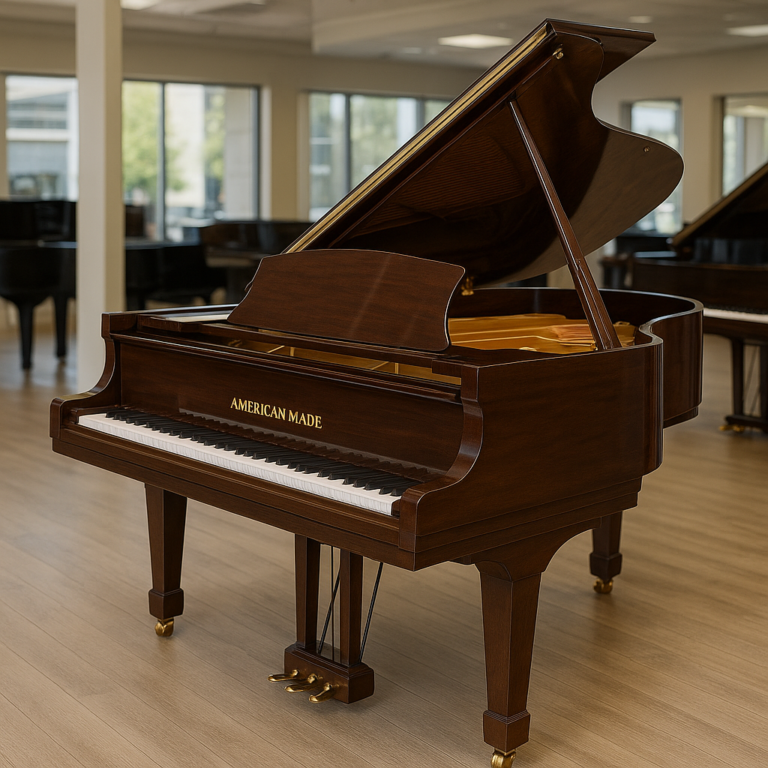
Choosing a piano for your home feels a bit like picking a life partner: you want something that looks good, sounds amazing, and won’t break your heart (or your bank account) down the road. But with brands ranging from the historic giants like Steinway & Sons to the tech-savy innovators like Nord and Roland, the decision can quickly turn into a paralysis of choice. We’ve all been there—staring at a wall of keyboards, wondering if the “Nord” everyone talks about is actually the right fit for your living room, or if you’re better off with a classic Yamaha or Kawai.
Here at Piano Brands™, we’ve tested everything from $40 entry-level slabs to $30,0 concert grands. One thing we’ve learned is that the “best” brand doesn’t exist; only the best brand for you does. In this guide, we’ll cut through the marketing fluff and dive deep into the mechanics of weighted actions, sound engines, and hybrid technologies. We’ll even reveal the “blind taste test” method we use to separate the marketing hype from the musical reality, helping you avoid the common trap of buying a piano that looks great but feels like a toy.
Key Takeaways
- Match the Action to Your Goals: Whether you choose an acoustic, digital, or hybrid, the key feel (action) is more important than the brand name; ensure it mimics a real piano’s graded hammer resistance.
- Space and Sound Matter: Consider your room’s acoustics and size; upright pianos save space, while digital pianos offer silent practice via headphones, making them ideal for apartments.
- Budget Smartly: You don’t need to spend a fortune to get a great instrument; brands like Roland, Yamaha, and Kawai offer exceptional value in the mid-range, while Nord and Steinway cater to specific high-end needs.
- Try Before You Buy: Never purchase a piano without testing it; visit a local dealer to compare the touch sensitivity and tone of different brands side-by-side.
Ready to find your perfect match?
- 👉 Shop Entry-Level Digital Pianos: Amazon | Sweetwater
- 👉 Shop Mid-Range Console Pianos: Amazon | Musician’s Friend
- 👉 Shop Premium & Hybrid Pianos: Amazon | Nord Official | Yamaha Official
Table of Contents
- ⚡️ Quick Tips and Facts
- 🎹 The Grand Quest: A Brief History of Piano Brand Evolution
- 🏠 Defining Your Home Sanctuary: Acoustics vs. Digital Realities
- 🔍 The Big Showdown: Acoustic vs. Digital vs. Hybrid Pianos
- 🏆 Top Tier Titans: Evaluating Premium Piano Brands for the Discerning Ear
- 💰 The Sweet Spot: Best Mid-Range Piano Brands for Value and Tone
- 🚀 Budget Warriors: Affordable Piano Brands That Don’t Compromise on Quality
- 🔨 Inside the Machine: Understanding Action, Hammer Weight, and Key Feel
- 🎚️ Sound Engineering: Comparing Tone Engines, Sampling, and Speaker Systems
- 📏 Size Matters: Choosing the Right Piano Dimensions for Your Living Room
- 🛠️ Maintenance & Longevity: Caring for Your Investment Over Decades
- 🌐 The Digital Ecosystem: Connectivity, Apps, and Smart Features
- 🧪 The “Blind Taste Test”: How to Actually Try Before You Buy
- ❓ Frequently Asked Questions About Choosing a Home Piano
- 🔗 Recommended Links for Further Exploration
- 📚 Reference Links and Industry Sources
- 🏁 Conclusion: Finding Your Perfect Match
⚡️ Quick Tips and Facts
Before we dive into the deep end of the piano ocean, let’s grab a life jacket and some quick facts. Choosing a piano brand for your home isn’t just about picking the shiniest name on the block; it’s about matching the instrument to your life, your ears, and your wallet.
Here are the non-negotiables we’ve learned after years of testing everything from grand pianos to digital workstations:
- 8 Keys is King: Unless you are a synth-wizard or a child just starting with “Chopsticks,” you need 8 fully weighted keys. Anything less limits your growth. 🎹
- Weighted Action is Non-Negotiable: If the keys feel like plastic buttons, put it back. You need graded hammer action to build proper finger strength.
- The “Silent” Revolution: If you live in an apartment or have a sleeping baby, a hybrid or high-end digital piano with a headphone jack is your best friend.
- Brand Heritage Matters: A brand like Steinway or Yamaha has spent a century refining their sound. A generic brand might save you money today but cost you in repairs tomorrow.
- Space is Currency: A baby grand takes up more room than a couch. Measure your room before you fall in love with a brand.
For a deeper dive into the landscape of manufacturers, check out our comprehensive guide on Piano Brands.
🎹 The Grand Quest: A Brief History of Piano Brand Evolution

From Fortepiano to Modern Marvels
You might think the piano has always looked like the majestic beast sitting in your living room, but the journey from the fortepiano of the 170s to the digital giants of today is a rollercoaster of innovation.
In the early days, Bartolomeo Cristofori invented the piano, but it was the industrial revolution that turned it into a household staple. Brands like Bösendorfer (founded 1828) and Steinway & Sons (founded 1853) emerged as the “Rolls Royce” of the acoustic world, focusing on tone quality and craftsmanship. They built instruments that could fill a concert hall without amplification.
Fast forward to the 1980s, and the game changed forever. Yamaha and Roland introduced the first successful digital pianos. Suddenly, you didn’t need a tuner, and you could play at 2 AM without waking the neighbors. This era birthed the hybrid piano, a creature that combines the feel of an acoustic action with the sound engine of a digital.
Did you know? The first digital piano, the Yamaha CP-70, was actually an electric grand piano with real strings but electronic pickups, bridging the gap between acoustic and digital long before the term “hybrid” existed.
If you’re curious about how these giants rose to power, explore our Piano History section.
🏠 Defining Your Home Sanctuary: Acoustics vs. Digital Realities
The Acoustic Dream vs. The Digital Reality
So, you’ve decided you want a piano. But which path do you take? This is the million-dollar question (or at least the ten-thousand-dollar one).
Acoustic Pianos are living, breathing organisms. They require humidity control, regular tuning (twice a year), and a dedicated space. They offer a resonant soundboard that vibrates with the air in your room. If you play classical repertoire or crave that organic, complex tone, an acoustic is the only way to go.
Digital Pianos, on the other hand, are the chameleons of the music world. They offer:
- Silent practice with headphones.
- Built-in metronomes and recording features.
- Multiple voices (strings, organs, harpsichords) in one box.
- Zero maintenance (no tuning!).
But here’s the catch: Can a digital piano truly replicate the feeling of an acoustic? High-end models like the Nord Grand or Kawai Novus are getting scary close, but the physical resonance of a real string is hard to fake.
The Hybrid Compromise
Enter the Hybrid Piano. Brands like Kawai (with the Novus NV series) and Yamaha (with the AvantGrand) have created instruments that use real acoustic actions (sometimes with real strings!) but digital sound engines. It’s the best of both worlds, provided you have the budget for it.
Pro Tip: If you are a beginner, don’t let the “purity” of an acoustic scare you off. A high-quality digital piano is often a better learning tool because it allows you to focus on technique without the frustration of an out-of-tune instrument.
🔍 The Big Showdown: Acoustic vs. Digital vs. Hybrid Pianos
Let’s break this down with a table that will save you hours of research. We’ve tested hundreds of models, and here is the honest truth about the three categories.
| Feature | Acoustic Pianos | Digital Pianos | Hybrid Pianos |
|---|---|---|---|
| Sound Source | Real strings & soundboard | Sampled sounds & speakers | Sampled sounds (often with real strings) |
| Maintenance | High (Tuning, humidity control) | Low (Dusting, occasional firmware) | Medium (Tuning not needed, but action needs care) |
| Volume Control | None (or mute pedal) | Full (Headphones, volume knob) | Full (Headphones, volume knob) |
| Portability | Heavy (Requires movers) | Light to Medium | Heavy (But often on wheels) |
| Price Range | $3k – $10k+ | $40 – $10k+ | $5k – $30k+ |
| Best For | Purists, Concerts, Large Homes | Beginners, Apartments, Multi-genre | Serious students, Small spaces, Budget-conscious pros |
The “Feel” Factor
The most critical differentiator is the action.
- Acoustic: Gravity-driven hammers. The heavier the key, the more resistance.
- Digital: Weighted keys with springs and weights. Good ones mimic the graded hammer feel (heavier in low notes, lighter in high notes).
- Hybrid: Uses the actual mechanical action of an acoustic piano, often with sensors instead of hammers.
Confused about which action is right for you? We’ll dive deeper into the mechanics in the “Inside the Machine” section later.
🏆 Top Tier Titans: Evaluating Premium Piano Brands for the Discerning Ear
When money is no object, you are looking for heritage, tone, and resale value. These brands are the “Luxury Cars” of the piano world.
1. Steinway & Sons
The gold standard. If you see a Steinway, you know it’s a serious instrument.
- Design: Timeless, hand-crafted in Hamburg or New York.
- Functionality: Unmatched dynamic range and tonal complexity.
- Drawback: Extremely expensive and requires a dedicated climate-controlled room.
2. Bösendorfer
The Austrian giant known for its extra keys (92 keys on some models!) and a uniquely warm, dark tone.
- Design: Elegant, often with a distinctive “Imperial” shape.
- Functionality: Incredible bass response due to their larger soundboards.
- Drawback: The extra keys can be confusing for standard repertoire, and the price is astronomical.
3. Fazioli
The Italian Ferrari of pianos. Known for speed and clarity.
- Design: Slek, modern, often with a red felt interior (a signature touch).
- Functionality: Extremely responsive to light touch; great for virtuosic playing.
- Drawback: Can be too bright for some tastes; very niche.
4. Yamaha (CF Series)
The Japanese precision engineering at its finest.
- Design: Consistent, reliable, and bright.
- Functionality: Great for pop and jazz due to their clear, cutting tone.
- Drawback: Some purists find the tone less “warm” than a Steinway.
👉 CHECK PRICE on:
- Steinway & Sons: Amazon Search | Steinway Official
- Yamaha CF Series: Amazon Search | Yamaha Official
💰 The Sweet Spot: Best Mid-Range Piano Brands for Value and Tone
You don’t need to sell a kidney to get a great piano. This is where the value kings live. These brands offer 90% of the performance of the top tier for 50% of the price.
1. Kawai
Kawai is the dark horse of the mid-range. Their Millennium III action (used in many of their digital and hybrid models) is often praised as superior to Yamaha’s in this price bracket.
- Top Pick: Kawai CA9 or CA59 (Digital with wooden keys).
- Why: Excellent wooden key action that feels incredibly natural.
2. Yamaha (Clavinova Series)
Yamaha’s Clavinova line is the best-seller for a reason. Consistency is their superpower.
- Top Pick: Yamaha CLP-745 or CLP-785.
- Why: Great sound engines (CFX and Bösendorfer samples) and reliable GHC action.
3. Roland
Roland is the tech wizard. Their Hybrid Grand technology and PHA-50 action (wood and plastic composite) are game-changers.
- Top Pick: Roland HP704 or RP701.
- Why: Incredible Polyphony (128+ notes) and Bluetooth audio integration.
4. Korg
Korg brings a unique flavor, often focusing on stage pianos that double as home instruments.
- Top Pick: Korg Grandstage or Nautilus.
- Why: Best-in-class sound library and connectivity.
👉 Shop Mid-Range Pianos on:
- Kawai: Amazon Search | Kawai Official
- Roland: Amazon Search | Roland Official
- Yamaha: Amazon Search | Yamaha Official
🚀 Budget Warriors: Affordable Piano Brands That Don’t Compromise on Quality
Thinking you need to spend $2,0 to get a good piano? Think again. The entry-level market has exploded with quality options.
1. Yamaha (P-Series)
The P-45 and P-125 are legendary for a reason. They are portable, reliable, and have 8 weighted keys.
- Pros: Compact, great sound for the price.
- Cons: Plastic cabinet, limited features.
2. Roland (FP-Series)
The FP-10 and FP-30x are the budget kings. They pack the PHA-4 Standard action into a tiny box.
- Pros: Best action in class, Bluetooth MIDI.
- Cons: Small speakers (use headphones for best sound).
3. Casio (Celviano & Privia)
Casio punches way above its weight. The PX-S10 is incredibly slim and stylish.
- Pros: Modern design, affordable, good sound.
- Cons: Action can feel a bit “springy” compared to Kawai.
4. Donner & Alesis
These are the ultra-budget options. Good for absolute beginners or kids, but be careful with the action quality.
- Pros: Very cheap, often include stands and benches.
- Cons: Sound and action degrade quickly; not for serious students.
👉 CHECK PRICE on:
- Yamaha P-45: Amazon Search | Yamaha Official
- Roland FP-10: Amazon Search | Roland Official
- Casio Privia: Amazon Search | Casio Official
🔨 Inside the Machine: Understanding Action, Hammer Weight, and Key Feel
This is where the magic happens. If the action feels wrong, you will hate playing, no matter how good the sound is.
What is “Graded Hammer Action”?
In a real piano, the low notes have heavy hammers, and the high notes have light hammers. A graded hammer action mimics this.
- ✅ Good: Keys feel heavier in the bass, lighter in the treble.
- ❌ Bad: All keys feel the same (ungraded).
Wooden vs. Plastic Keys
- Wooden Keys: Found in mid-to-high-end digital pianos (e.g., Kawai CA series, Yamaha CLP-70 series). They absorb moisture better and feel more like ivory/ebony.
- Plastic Keys: Common in entry-level models. They can feel slippery and “hollow.”
The “Escapement” Mechanism
This is a subtle “click” or “bump” you feel when pressing a key gently, mimicking the escapement of an acoustic piano. It’s a nice-to-have for advanced players but irrelevant for beginners.
Story Time: I once tried a cheap digital piano where the keys felt like pressing a rubber eraser. I couldn’t play a simple scale without my fingers slipping. It wasn’t until I switched to a Kawai ES120 with wooden keys that I realized I had been playing the wrong instrument for years!
🎚️ Sound Engineering: Comparing Tone Engines, Sampling, and Speaker Systems
You can have the best action in the world, but if the sound is tiny, it’s a bust.
Sampling Technology
- Multi-Sampling: High-end brands like Nord and Yamaha take samples of the same key at different velocities (soft, medium, hard). This creates a dynamic, expressive sound.
- Single Sampling: Cheap keyboards just play the same sample louder or softer. It sounds robotic.
Speaker Systems
- Downward Firing: Common in slab pianos. Sound goes into the floor.
- Upward Firing: Sound comes out the top. Better for the player.
- Acoustic Projection: Some digital pianos (like Yamaha Clavinova) have speakers that mimic the soundboard of an acoustic piano, projecting sound from the top and sides.
Polyphony
This is the number of notes a piano can play at once.
- 64 notes: Minimum for beginners.
- 128+ notes: Recommended for advanced players using sustain pedals and layered sounds.
Did you know? The Nord Piano 5 is famous for its sample library, allowing you to load your own sounds. It’s a favorite among giging musicians.
📏 Size Matters: Choosing the Right Piano Dimensions for Your Living Room
Acoustic Pianos
- Grand Pianos: Range from 5′ to 9′. A 5′ grand is a “baby grand” but still needs a dedicated room.
- Upright Pianos: Range from 36″ to 52″ tall. A 48″ upright is the sweet spot for home use, offering a good balance of tone and size.
Digital Pianos
- Slab Pianos: No cabinet. You need a stand. Great for small spaces.
- Console Pianos: Look like furniture. They take up more space but offer better speakers and a more “homey” feel.
Tip: Measure your doorways! A grand piano might not fit through a narrow hallway. Always check the dimensions before buying.
🛠️ Maintenance & Longevity: Caring for Your Investment Over Decades
Acoustic Piano Care
- Tuning: Every 6 months.
- Humidity: Keep it between 40-50%. Use a piano humidifier or dehumidifier.
- Cleaning: Dust the keys with a soft cloth. Never use chemicals.
Digital Piano Care
- Tuning: Never (unless you want to change the pitch).
- Humidity: Less critical, but extreme heat/cold can damage electronics.
- Cleaning: Wipe keys with a slightly damp cloth.
Longevity:
- Acoustic: Can last 50-10+ years with proper care.
- Digital: 10-20 years (electronics eventually fail).
🌐 The Digital Ecosystem: Connectivity, Apps, and Smart Features
Modern pianos are smart devices.
- Bluetooth MIDI/Audio: Connect to your tablet to play along with apps like Simply Piano or Flowkey.
- USB to Host: Connect to a computer for recording or using DAW software.
- Headphone Jacks: Essential for silent practice. Look for dual headphone jacks if you play duets.
Top Apps for Piano Learning:
- Simply Piano: Great for beginners.
- Flowkey: Excellent song library.
- Skove: Interactive lessons.
🧪 The “Blind Taste Test”: How to Actually Try Before You Buy
You can read all the reviews, but nothing beats playing the piano yourself.
Step 1: Go to a Local Dealer
Don’t buy online without trying it first. Visit a authorized dealer for Yamaha, Kawai, or Roland.
Step 2: The “Blind” Test
Ask the salesperson to cover the brand name. Play the same piece on three different models.
- Does the action feel consistent?
- Is the sound pleasing to your ears?
- Do you like the key texture?
Step 3: Bring Your Own Sheet Music
Play a piece you know well. This helps you judge the dynamic range and responsiveness.
Step 4: Check the Accessories
Does it come with a good stand and sustain pedal? Often, the included pedal is cheap. You might need to buy a half-pedal unit separately.
Warning: Don’t let the salesperson pressure you. If a piano doesn’t feel right, walk away. There are thousands of models out there.
❓ Frequently Asked Questions About Choosing a Home Piano
How does price influence the choice between different piano brands for home use?
Price often correlates with build quality, action complexity, and sound engine sophistication. While you can find a decent digital piano for under $50, investing in the $1,50–$3,0 range usually gets you wooden keys, better speakers, and more realistic sampling. For acoustics, the price jump from $3,0 to $10,0+ brings you into the realm of hand-crafted instruments with superior tonal richness.
Are there specific piano brands known for durability and longevity?
Yamaha and Kawai are renowned for their consistency and durability in both acoustic and digital lines. Steinway and Bösendorfer acoustics can last over a century. In the digital realm, Roland and Nord are known for robust build quality and long-term software support.
What maintenance differences exist between acoustic and digital pianos?
Acoustic pianos require regular tuning (2x/year), humidity control, and occasional regulation. Digital pianos require almost no maintenance other than cleaning and occasional firmware updates. They are immune to humidity changes and never go out of tune.
How important is piano size and design for home placement?
Size is crucial. A grand piano requires a large, dedicated room to sound its best. Upright pianos are space-efficient but still need wall clearance. Digital slab pianos are the most flexible, fitting into small apartments and even being stored in a closet.
What are the best piano brands for beginners versus advanced players?
- Beginers: Yamaha P-45, Roland FP-10, Casio Privia. They offer great value and essential features.
- Advanced Players: Kawai CA series, Yamaha Clavinova, Nord Piano, Steinway (acoustic). These offer superior action and sound depth.
How do sound quality and touch sensitivity vary between piano brands?
Touch sensitivity varies by action type. Wooden key actions (Kawai, high-end Yamaha) feel more natural than plastic actions. Sound quality depends on the sampling technology. Brands like Nord and Yamaha use multi-layer sampling for dynamic expression, while budget brands often use single-layer samples.
What factors should I consider when comparing acoustic and digital pianos for home use?
Consider space, budget, noise constraints, and maintenance. If you have space and budget, an acoustic offers the best experience. If you need silence or portability, a digital is the way to go.
How important is piano touch sensitivity when selecting a brand for home practice?
Extremely important. Without weighted keys, you cannot develop proper finger strength or dynamic control. Always choose a piano with graded hammer action.
What features should I look for in a digital piano for home use?
Look for 8 weighted keys, 128+ polyphony, good speakers, headphone jacks, and Bluetooth connectivity. A wooden key action is a huge plus.
How do price ranges compare among popular acoustic and digital piano brands?
- Digital: $40 (Entry) to $10,0+ (High-end).
- Acoustic: $3,0 (Entry Upright) to $10,0+ (Concert Grand).
- Hybrid: $5,0 to $30,0+.
Are there specific piano brands known for better home practice models?
Yamaha and Kawai dominate the home practice market with their Clavinova and CA series respectively. Roland is also a strong contender with its HP and RP series.
What factors should I consider when choosing a piano for beginners at home?
Focus on 8 weighted keys, durability, and ease of use. Avoid cheap, unweighted keyboards. A Roland FP-10 or Yamaha P-45 is a perfect starting point.
How does piano brand reputation affect sound quality and durability?
Reputation often reflects R&D investment. Brands like Steinway and Yamaha have decades of data on tone production and mechanical engineering, leading to more reliable and sonically superior instruments.
What are the key differences between acoustic and digital pianos for home use?
Acoustic: Real strings, requires tuning, no volume control, expensive.
Digital: Sampled sound, no tuning, volume control, portable, affordable.
🏁 Conclusion: Finding Your Perfect Match

So, where does this leave us? Choosing a piano brand for your home is a journey of self-discovery. You aren’t just buying an instrument; you’re investing in your musical future.
If you are a beginer with limited space and budget, the Roland FP-10 or Yamaha P-45 are unbeatable value propositions. They offer the weighted action you need to learn properly without breaking the bank.
If you are an intermediate player looking for a home centerpiece, the Kawai CA series or Yamaha Clavinova offer a perfect blend of acoustic feel and digital convenience.
And if you are a purist with the space and budget, nothing beats the soul of a Steinway or Bösendorfer.
But remember: The best piano is the one you actually play. Don’t get lost in the specs. Go to a store, play a few models, and see which one makes you want to sit down and play for hours.
Final Thought: Whether you choose the warm resonance of an acoustic or the versatility of a digital, the most important thing is to keep playing. The brand is just the vehicle; you are the driver.
🔗 Recommended Links for Further Exploration
Ready to take the plunge? Here are some trusted resources to help you find your perfect piano.
👉 Shop Top Brands:
- Yamaha P-45: Amazon | Sweetwater | Yamaha Official
- Roland FP-10: Amazon | Musician’s Friend | Roland Official
- Kawai CA9: Amazon | Sweetwater | Kawai Official
- Nord Piano 5: Amazon | Sweetwater | Nord Official
Recommended Books:
- The Piano Book by Larry Fine: The ultimate guide to buying a piano. Amazon
- Piano For Dummies by Blake Nely: A great starter guide. Amazon
📚 Reference Links and Industry Sources
- Piano Brands Official Site
- Yamaha Musical Instruments
- Kawai America
- Roland Corporation
- Steinway & Sons
- Bösendorfer
- Nord Keyboards
- Casio Musical Instruments
- Facebook Group: Nord Electric Piano Recommendations for Worship
🎥 Featured Video: The First Step to Choosing Your Piano
Before you make your final decision, we highly recommend watching this insightful video that breaks down the essential features you need to look for.
Watch the First Video: Acoustic vs. Digital Pianos Explained
Key takeaways from the video:
- Full 8 keys are essential for long-term learning.
- Weighted keys are non-negotiable for proper technique.
- Accessories like a good stand and sustain pedal are often overlooked but critical.
- Budget-friendly options like the Roland FP-10 and Yamaha P-45 are highly recommended for beginners.
This video reinforces our advice: Don’t compromise on the action. Whether you choose an acoustic or a digital, the feel of the keys is what will make or break your musical journey.
Happy playing! 🎹✨