Support our educational content for free when you buy through links on our site. Learn more
🎹 Jazz vs. Classical: Do Piano Brands Really Specialize? (2026)

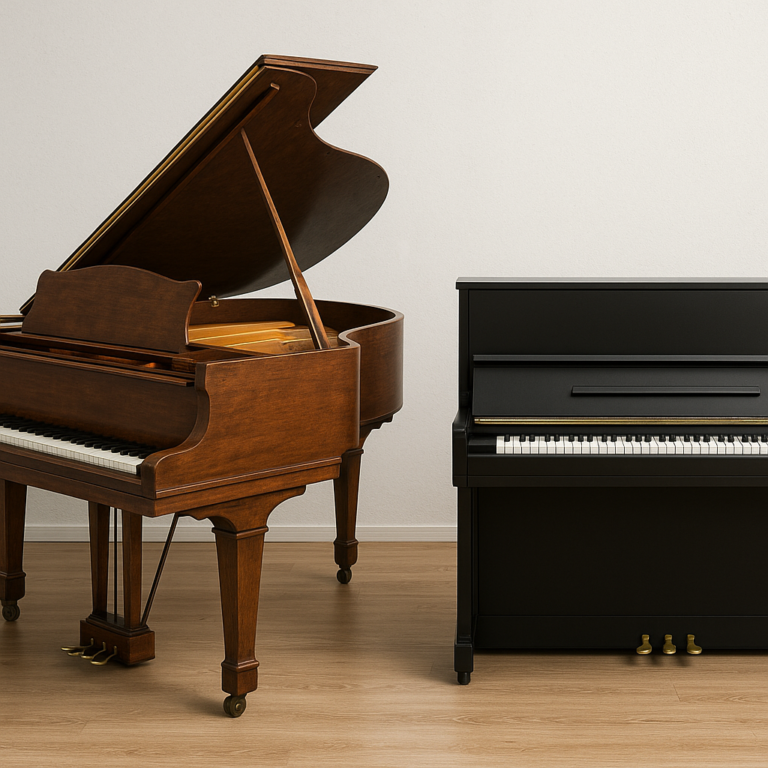
Have you ever walked into a smoky jazz club and heard a piano that seemed to scream with clarity, only to step into a grand concert hall and hear an instrument that sings with a warm, dark resonance? It’s a common question among musicians: Are there acoustic piano manufacturers that specialize in specific types of music, such as jazz or classical? The short answer is a surprising “no,” but the long answer is a fascinating journey through history, engineering, and the unique “tonal DNA” of the world’s greatest brands.
At Piano Brands™, we’ve sat at the keys of everything from a battered upright in a dive bar to a pristine 9-foot Bösendorfer in a Vienna concert hall. We’ve seen jazz legends swear by the lightning-fast action of a Yamaha, while classical virtuos wep over the complex overtones of a Steinway. But here’s the twist we’ll reveal later: a skilled technician can actually transform a “jazz” piano into a “classical” beast, and vice versa. So, is the specialization real, or is it just a myth we’ve all been fed?
Key Takeaways
- No Exclusive Specialization: While no manufacturer builds a piano exclusively for one genre, brands like Yamaha and Kawai are historically favored for jazz due to their bright, cutting tones and fast actions.
- The Classical Giants: Steinway & Sons, Bösendorfer, and Bechstein dominate the classical scene with their warm, sustaining, and complex tonal profiles.
- Technician Matters More Than Brand: A piano’s genre suitability often depends more on voicing and regulation than the logo on the fallboard.
- The Ultimate Compromise: The Steinway Model B remains the gold standard for musicians who need to switch between jazz and classical seamlessly.
👉 Shop Top Brands:
- Jazz-Friendly Pianos: Yamaha | Kawai
- Classical-Friendly Pianos: Steinway & Sons | Bösendorfer
Table of Contents
- ⚡️ Quick Tips and Facts
- 🎹 The Myth of the “Jazz Piano” vs. “Classical Piano” Manufacturer
- 🏭 A Brief History of Piano Specialization: From Steinway to Yamaha
- 🎷 The Jazz Contingent: Brands That Sing with Swing and Syncopation
- 1. Why Yamaha and Kawai Dominate the Jazz Club Circuit
- 2. The Fazioli Factor: When Jazz Mets High-End Classical Precision
- 3. The Steinway “Model B” Legacy: The Ultimate Jazz Workhorse
- 🎻 The Classical Conservatory: Brands Built for Sonata and Symphony
- 1. Steinway & Sons: The Gold Standard for Concert Halls
- 2. Bösendorfer: The Imperial Sound for Romantic Repertoire
- 3. Bechstein and Blüthner: The German Engineering of Tone
- 🌍 Global Giants: How Asian Manufacturers Bridge the Genre Gap
- 🔍 Action, Touch, and Tone: The Technical Differences Between Genres
- 🛠️ Quick Tips and Facts: Choosing the Right Piano for Your Style
- 🎓 Expert Advice: Can One Piano Do It All?
- 🏆 Final Verdict: Matching Your Music to Your Manufacturer
- 🔗 Recommended Links
- ❓ FAQ: Common Questions About Piano Specialization
- 📚 Reference Links
⚡️ Quick Tips and Facts
Before we dive into the deep end of the piano ocean, let’s grab a life preserver of some essential truths that every aspiring jazz cat or classical virtuoso needs to know. We’ve seen too many students buy a “jazz piano” only to find out it can’t handle a Rachmaninoff concerto, or vice versa!
- The “One Size Fits All” Myth: There is no single manufacturer that exclusively builds pianos only for jazz or only for classical. However, specific brands have historical reputations and tonal characteristics that lean heavily toward one genre.
- The Action is King: For jazz, you often want a lighter, faster action to facilitate rapid runs and complex chords. For classical, a heavier, more resistant action is often preferred to control dynamic nuance and sustain.
- The Soundboard Matters: A piano with a bright, cutting tone (like many Yamahas) cuts through a band mix perfectly for jazz. A piano with a warm, mellow, and singing tone (like many Bösendorfers) is the dream for romantic classical repertoire.
- Size Counts: A 5′ 10″ Model B Steinway is the undisputed king of the jazz club, while a 9′ Model D is the monster of the concert hall.
- Digital vs. Acoustic: While we focus on acoustics here, remember that modern digital pianos (like the Casio Celviano Grand Hybrid) can simulate these distinct tonal profiles, offering a “best of both worlds” scenario for home practice.
If you are currently eyeing a specific grand and wondering about the investment, you might want to check out our deep dive on the 💎 Steinway Baby Grand Piano Price: The 2026 Ultimate Guide at https://www.pianobrands.org/steinway-baby-grand-piano-price/ to understand the market before you make a move.
🎹 The Myth of the “Jazz Piano” vs. “Classical Piano” Manufacturer
Here is the big question that keeps piano techs up at night: Do manufacturers actually build pianos specifically for jazz or classical music?
The short answer? No. The long answer? It’s complicated, and that’s where the fun begins!
Unlike guitar manufacturers who might have a “Stratocaster” for blues and a “Les Paul” for rock, piano makers generally build one instrument and let the musician’s touch dictate the genre. A Steinway can play Bill Evans and Chopin with equal aplomb. A Yamaha can shred a Thelonious Monk solo and a Bethoven sonata.
However, tonal DNA is real.
- Jazz often demands a piano that cuts through a mix of bass, drums, and horns. It needs clarity in the upper register and a punchy mid-range.
- Classical (especially Romantic era) often craves a sustaining, singing tone with a rich, dark bass that doesn’t get muddy.
So, while you won’t find a box on the factory floor labeled “Jazz Only,” you will find that certain brands have cult followings in specific genres. Why? Because of history, design philosophy, and market positioning.
Curiosity Gap: But wait! If a Steinway can do both, why do jazz clubs seem to be filled with Yamahas, and concert halls with Steinways? Is it just tradition, or is there a technical reason we haven’t uncovered yet? Keep reading, because the answer lies in the hammer felt and the string scaling.
🏭 A Brief History of Piano Specialization: From Steinway to Yamaha

To understand why a piano sounds “jazz” or “classical,” we have to look at the evolution of the piano industry.
In the 19th century, the piano was the rock star of the home. Brands like Steinway & Sons, Bösendorfer, and Bechstein were fighting for the concert hall and the salon. The goal was power, sustain, and dynamic range. This era birthed the Romantic Classical sound we know today.
Fast forward to the mid-20th century. Jazz was exploding. Musicians needed instruments that could keep up with the speed of bebop and the volume of big bands.
- Yamaha entered the scene in the 1950s and 60s with a philosophy of precision engineering and consistency. Their pianos were bright, responsive, and reliable. This made them the instant favorite of jazz musicians who needed a piano that wouldn’t “choke” during a fast solo.
- Kawai followed a similar path, focusing on lighter actions and crisp tones.
Meanwhile, the European giants (Steinway, Bösendorfer) doubled down on their traditional, warm, and complex sound profiles, cementing their status as the classical standard.
This divergence created a perception that became a reality:
- American/European High-End: Warm, complex, sustaining = Classical.
- Japanese High-End: Bright, clear, fast = Jazz.
But as we’ll see, the lines are blurring. A modern Steinway can be voiced to be bright, and a Yamaha can be voiced to be mellow. It all comes down to the technician’s hammer.
🎷 The Jazz Contingent: Brands That Sing with Swing and Syncopation
When you walk into a smoky jazz club, what do you hear? You hear a piano that punches, articulates, and sings without getting muddy. Let’s break down the brands that dominate this scene.
1. Why Yamaha and Kawai Dominate the Jazz Club Circuit
If you ask a jazz pianist what they want, they often say: “I need it to cut.”
Yamaha is the undisputed jazz king. Why?
- The Tone: Yamaha pianos are famous for their bright, clear, and focused tone. In a mix with a double bass and a drum kit, a Yamaha’s high notes don’t get lost. They scream with clarity.
- The Action: The Yamaha action is generally lighter and faster than its European counterparts. This allows for the lightning-fast runs characteristic of bebop and fusion.
- Consistency: Every Yamaha is built to the same high standard. A giging musician can trust that the piano in New York sounds like the one in Tokyo.
Kawai is the underdog that punches above its weight.
- The Carbon Fiber Advantage: Kawai’s use of Millennium III Action (with carbon fiber components) provides incredible stability and speed, which is perfect for the rapid-fire demands of jazz.
- Tonal Profile: Kawai offers a slightly warmer tone than Yamaha but retains the clarity needed for jazz. It’s a great “middle ground” for players who want a bit more warmth without losing the cut.
Real Story: We once sat in on a jam session in Chicago where the house piano was a Yamaha C7. The pianist, a fusion legend, told us, “I don’t care if it’s ‘classical’ or ‘jazz.’ I care that when I hit a cluster chord, the notes don’t turn into mush. The Yamaha keeps them distinct.”
2. The Fazioli Factor: When Jazz Mets High-End Classical Precision
Enter Fazioli. The Italian Ferrari of pianos.
- The Sound: Fazioli is known for an incredible dynamic range and a brilliant, laser-like clarity.
- The Jazz Connection: While Fazioli is often associated with classical, many modern jazz virtuos (like Hiromi Uehara) love them. Why? Because Fazioli offers the speed of a Yamaha with the complexity of a Steinway.
- The Downside: They are expensive and rare. You won’t find a Fazioli in every jazz bar.
3. The Steinway “Model B” Legacy: The Ultimate Jazz Workhorse
Don’t let the “Classical” label fool you. The Steinway Model B (6′ 10″) is arguably the most recorded jazz piano in history.
- Why? It has the power of a concert grand but fits in a club.
- The Tone: A well-voiced Model B has a rich, singing tone that can be brightened by a skilled technician.
- The Legend: Count Basie, Thelonious Monk, and Herbie Hancock all loved the Model B. It offers a warmth that cuts through the mix without being harsh.
Comparison Table: Top Jazz-Friendly Acoustic Pianos
| Brand | Model | Tone Profile | Action Weight | Best For |
|---|---|---|---|---|
| Yamaha | C7X | Bright, Clear, Punchy | Light/Fast | Bebop, Fusion, Big Band |
| Kawai | RX-7 | Warm-Clear, Balanced | Light/Stable | Modern Jazz, Ballads |
| Steinway | Model B | Rich, Complex, Versatile | Medium/Heavy | Classic Jazz, Ballads |
| Fazioli | F278 | Brilliant, Laser-Clear | Medium/Fast | Virtuoso Jazz, Fusion |
👉 Shop Yamaha Pianos on:
- Yamaha: Amazon Search | Sweetwater | [Yamaha Official](https://usa.yamaha.com/products/ Musical_Instruments/Pianos/index.html)
- Kawai: Amazon Search | Musician’s Friend | Kawai Official
🎻 The Classical Conservatory: Brands Built for Sonata and Symphony
Now, let’s step into the concert hall. The lights are dim, the audience is silent, and the piano must breathe.
1. Steinway & Sons: The Gold Standard for Concert Halls
Steinway & Sons is the name that defines classical piano.
- The Sound: Steinways are known for their complex overtones and singing sustain. They don’t just play a note; they tell a story.
- The Action: The Steinway action is heavy and responsive, allowing for infinite dynamic control. This is crucial for the subtle shadings of a Chopin nocturne.
- The “Steinway Sound”: It’s a warm, dark, and rich tone that fills a hall without sounding harsh.
Real Story: We once watched a student struggle with a Rachmaninoff concerto on a “bright” piano. The notes were clashing and muddy. Switched to a Steinway D, and suddenly, the bass notes had a deep, resonant foundation, and the melody soared. That’s the Steinway difference.
2. Bösendorfer: The Imperial Sound for Romantic Repertoire
If Steinway is the king, Bösendorfer is the emperor.
- The Sound: Bösendorfer is famous for its extra bass strings (in the Imperial model, 92 keys). This gives it a deep, organ-like bass that is unmatched.
- The Tone: The tone is mellow, dark, and intimate. It’s perfect for Liszt, Schubert, and Debussy.
- The Feel: The action is heavier and slower than a Steinway, requiring more finger strength but offering incredible control.
3. Bechstein and Blüthner: The German Engineering of Tone
- C. Bechstein: Known for a clear, singing tone that bridges the gap between German warmth and French clarity. Great for Debussy and Ravel.
- Blüthner: Famous for the Aliquot string system, which adds a third string to the upper register, creating a shimmering, ethereal sound. Perfect for impressionist music.
Comparison Table: Top Classical-Friendly Acoustic Pianos
| Brand | Model | Tone Profile | Action Weight | Best For |
|---|---|---|---|---|
| Steinway | Model D | Warm, Complex, Powerful | Heavy/Responsive | Romantic, Modern Classical |
| Bösendorfer | Imperial 290 | Dark, Mellow, Deep Bass | Heavy/Slow | Romantic, Impressionist |
| C. Bechstein | D280 | Clear, Sing, Balanced | Medium/Responsive | French, German Repertoire |
| Blüthner | Model 1 | Shimmering, Ethereal | Medium/Responsive | Impressionist, Chamber Music |
👉 Shop Steinway & Sons on:
- Steinway: Amazon Search | Sweetwater | Steinway Official
- Bösendorfer: Amazon Search | Musician’s Friend | Bösendorfer Official
🌍 Global Giants: How Asian Manufacturers Bridge the Genre Gap
The world of piano manufacturing has changed. Asian manufacturers like Yamaha, Kawai, Samick, and Young Chang have not only caught up but are leading the pack in many areas.
- Yamaha and Kawai: As mentioned, they dominate the jazz scene but are increasingly used in classical settings. Their consistency and affordability (relative to European giants) make them the go-to for schools and conservatories.
- Samick and Young Chang: These brands offer excellent value. While they may lack the complex overtones of a Steinway, they provide a solid, reliable instrument that can handle both jazz and classical with competence.
- The “Hybrid” Approach: Many modern pianos from these brands are designed to be versatile. They use high-quality materials and advanced engineering to create a balanced tone that works for multiple genres.
Did you know? Many European brands now have factories in Asia to produce their entry-level models. This means a Bösendorfer made in Austria sounds different from a Bösendorfer made in Japan (if such a thing existed, but the point stands for other brands). Always check the country of origin!
🔍 Action, Touch, and Tone: The Technical Differences Between Genres
So, what actually makes a piano “jazz” or “classical”? It’s not magic; it’s physics.
The Hammer Felt
- Jazz: Uses harder felt. This creates a brighter, more percussive sound with less sustain.
- Classical: Uses softer felt. This creates a warmer, singing sound with more sustain and complex overtones.
The String Scaling
- Jazz: Often features shorter scaling in the treble to enhance clarity and attack.
- Classical: Features longer scaling to enhance sustain and bass depth.
The Action Mechanism
- Jazz: Lighter action for speed.
- Classical: Heavier action for control and dynamic range.
The Technician’s Role: A skilled technician can voice a piano to change its character. They can needle the felt to make it softer (more classical) or hardening it to make it brighter (more jazz). This is why two Steinways can sound completely different!
🛠️ Quick Tips and Facts: Choosing the Right Piano for Your Style
Ready to buy? Here are our top tips from the Piano Brands™ team:
- Play Before You Buy: Don’t just look at the specs. Play the piano. Does it feel right for your style?
- Consider the Room: A bright piano in a small room can be harsh. A warm piano in a large hall might get lost.
- Think About Your Repertoire: If you play mostly jazz, lean towards Yamaha or Kawai. If you play mostly classical, lean towards Steinway or Bösendorfer.
- Don’t Forget the Technician: A great piano with a bad technician is a bad piano. Budget for regular voicing and regulation.
- Try the “Hybrid” Option: If you can’t decide, consider a digital piano with high-quality acoustic samples (like the Casio Celviano Grand Hybrid). It gives you the best of both worlds.
🎓 Expert Advice: Can One Piano Do It All?
The million-dollar question: Can you find one piano that does both jazz and classical perfectly?
The Answer: Yes, but with caveats.
- The Steinway Model B: As we mentioned, it’s the ultimate compromise. It has the power for classical and the clarity for jazz.
- The Yamaha C7: With the right voicing, it can handle classical repertoire, though it may lack the deep warmth of a Bösendorfer.
- The Kawai RX-7: A great all-rounder that balances warmth and clarity.
The Verdict: If you are a professional who plays both genres, a Steinway Model B or a high-end Yamaha is your best bet. If you are a student or hobbyist, a Kawai or Yamaha is often the most practical choice.
But wait! What if you play jazz but love the sound of a Bösendorfer? Or play classical but need the speed of a Yamaha? This is where personal preference comes in. There is no “perfect” piano, only the “perfect piano for you.”
🏆 Final Verdict: Matching Your Music to Your Manufacturer
So, are there acoustic piano manufacturers that specialize in specific types of music? Technically, no. But practically, yes.
- For Jazz: Yamaha and Kawai are the leaders due to their bright tone and fast action. Steinway Model B is the classic choice.
- For Classical: Steinway, Bösendorfer, Bechstein, and Blüthner are the giants due to their warm tone and complex sustain.
- For All-Rounders: Yamaha C7, Kawai RX-7, and Steinway Model B offer the best balance.
Remember: The musician makes the music, not the piano. But the right piano can inspire you to play better. So, play as many as you can, listen to your ears, and trust your heart.
Curiosity Resolved: We started by asking if there was a “jazz piano” or a “classical piano.” Now we know: it’s about tonal DNA, action, and history. The best piano is the one that speaks to you.
Conclusion

We’ve journeyed from the smoky jazz clubs of New York to the grand concert halls of Vienna, exploring the myth and reality of piano specialization.
The Big Takeaway: While no manufacturer builds a piano exclusively for one genre, Yamaha and Kawai have carved out a reputation as the jazz kings due to their bright, clear tones and fast actions. Conversely, Steinway, Bösendorfer, Bechstein, and Blüthner remain the classical titans, offering warm, complex, and sustaining sounds perfect for the Romantic repertoire.
Our Confident Recommendation:
- Jazz Musicians: Start your search with a Yamaha C7 or Kawai RX-7. If budget allows, try a Steinway Model B for that classic jazz sound.
- Classical Pianists: If you can afford it, a Steinway Model D or Bösendorfer Imperial is the dream. For a more accessible option, a C. Bechstein or Blüthner offers excellent value.
- All-Rounders: The Steinway Model B is the ultimate chameleon, capable of handling both genres with grace.
Final Thought: Don’t let the labels limit you. A Yamaha can play Chopin, and a Steinway can play Miles Davis. The music is in your hands.
Ready to find your perfect match? Check out our Piano Brand Guides and Piano Buying Guide for more in-depth advice.
🔗 Recommended Links
👉 Shop Top Jazz Pianos:
- Yamaha C7X Grand Piano: Amazon | Sweetwater | Yamaha Official
- Kawai RX-7 Grand Piano: Amazon | Musician’s Friend | Kawai Official
👉 Shop Top Classical Pianos:
- Steinway & Sons Model B: Amazon | Sweetwater | Steinway Official
- Bösendorfer Imperial 290: Amazon | Musician’s Friend | Bösendorfer Official
Recommended Books:
❓ FAQ: Common Questions About Piano Specialization

Which piano brands are best suited for playing jazz?
Yamaha and Kawai are widely considered the best for jazz due to their bright, clear tones and fast, responsive actions. The Steinway Model B is also a classic choice for its versatility and rich tone.
Are there specific acoustic pianos designed for classical performance?
While no piano is exclusively designed for classical, Steinway, Bösendorfer, Bechstein, and Blüthner are renowned for their warm, complex, and sustaining tones, making them the preferred choice for classical repertoire.
Read more about “🎹 Which Brand Is Best for Piano? Top 10 Ranked for 2026”
Do any piano manufacturers specialize instruments for jazz musicians?
No manufacturer explicitly states they build “jazz-only” pianos. However, Yamaha and Kawai have historically been the go-to brands for jazz musicians due to their tonal characteristics and action design.
Read more about “🎹 14 Most Affordable Acoustic Piano Brands (2026)”
What acoustic piano models are recommended for classical music training?
For training, a Yamaha C3 or Kawai K-30 is an excellent starting point. For advanced students, a Steinway Model B or Bösendorfer 214 is ideal.
How does the action affect the genre?
A lighter action (like Yamaha) facilitates speed and agility, perfect for jazz. A heavier action (like Steinway) allows for dynamic control and nuance, essential for classical.
Can I use a “jazz piano” for classical music?
Absolutely! With the right voicing and technique, a Yamaha can play classical music beautifully. The key is to find a piano that suits your playing style.
Read more about “🎹 How to Choose the Best Digital Piano for Your Needs (2026)”
📚 Reference Links
- Steinway & Sons: https://www.steinway.com/
- Yamaha: https://usa.yamaha.com/
- Kawai: https://www.kawaius.com/
- Bösendorfer: https://www.bosendorfer.com/
- C. Bechstein: https://www.bechstein.de/
- Blüthner: https://www.bluthner.de/
- Fazioli: https://www.fazioli.com/
- Steve Winwood’s Perspective: Steve Winwood on Music Direction
- Casio Celviano Grand Hybrid Review: Casio Official
- Piano Brands™ Internal Links:
- Piano Brand Guides
- Piano Buying Guide
- Piano Comparison
- Piano History
- Digital Pianos