Support our educational content for free when you buy through links on our site. Learn more
🎹 Digital Piano Mastery: The Ultimate 2026 Guide to Keys, Pedals & Sound

Remember the first time you sat at a piano and felt the keys resist your fingers, demanding strength and finese? Now, imagine capturing that exact sensation in a sleek, silent instrument that fits in your apartment and never needs tuning. That is the magic of the modern digital piano. But with a market flooded from budget-friendly “toy-like” keyboards to high-end hybrids that mimic the resonance of a Steinway, how do you separate the signal from the noise?
In this comprehensive guide, we’ve put our years of experience at Piano Brands™ to work, testing everything from the Kawai CA701 to the Roland FP-90X. We’re diving deep into the mechanics of weighted hammer actions, the nuances of polyphony, and the age-old debate: do you really need three pedals? Spoiler alert: If you plan to play Chopin, the answer is a resounding yes, but if you’re just jaming to pop songs, you might get away with less. We’ll also expose why those free “Virtual Piano” websites on your desktop are a dead end for serious learners.
Whether you are a parent looking for a quiet practice tool for your child or an adult returning to the keys after decades, this article is your roadmap to finding the perfect instrument without breaking the bank or your back.
Key Takeaways
- Weighted Keys are Non-Negotiable: To develop proper technique, ensure your digital piano features fully weighted, graded hammer-action keys; anything less is a keyboard, not a piano.
- Polyphony Matters: Look for at least 128-note polyphony to prevent notes from cutting off during complex passages with the sustain pedal engaged.
- The Pedal Reality: While a single sustain pedal works for beginners, a triple pedal unit is essential for advanced classical repertoire and authentic half-pedaling techniques.
- Sound Quality vs. Portability: Choose between console models for furniture-grade sound and aesthetics, or portable models for flexibility, knowing that speaker quality often dictates the final experience.
- Connectivity is Key: Modern digital pianos offer Bluetooth MIDI and USB-to-Host connectivity, turning your instrument into a powerful controller for learning apps and recording software.
👉 Shop Top Digital Piano Brands:
- Kawai: Amazon | Sweetwater | Kawai Official
- Roland: Amazon | Musician’s Friend | Roland Official
- Yamaha: Amazon | Sweetwater | Yamaha Official
Table of Contents
- ⚡️ Quick Tips and Facts
- 🎹 The Evolution of the Digital Piano: From Synthesizers to Smart Instruments
- 🤔 What Exactly Is a Digital Piano? Defining the Modern Hybrid
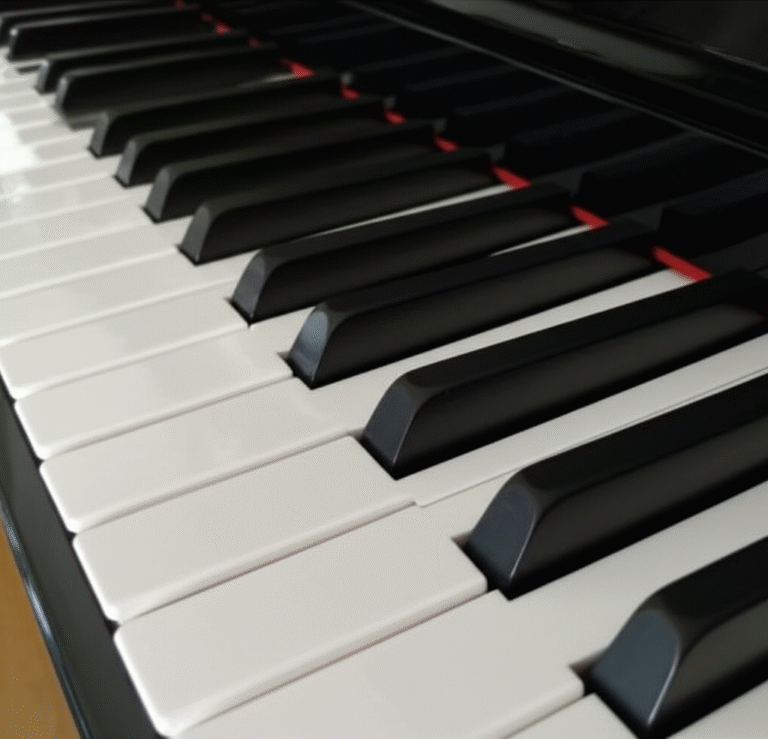
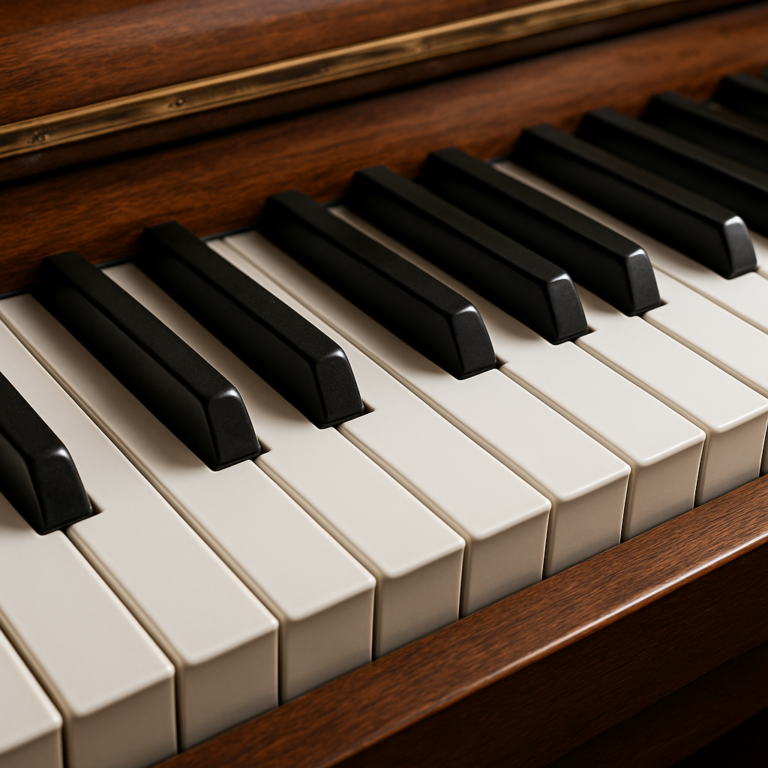
- 🔑 Mastering the Keys: Weighted Action, Hammer Mechanisms, and Touch Sensitivity
- 🎚️ The Sound Engine: Sampling, Polyphony, and Tone Realism
- 🎛️ Essential Features You Can’t Ignore: Pedals, Connectivity, and Built-in Apps
- 🏆 Top 7 Digital Piano Brands We Trust (and Why)
- 🏠 Choosing the Right Form Factor: Console vs. Portable vs. Stage Pianos
- 💻 Virtual Piano vs. Real Digital Piano: Why Your Desktop Keyboard Can’t Replace the Real Deal
- 🎼 How to Use Your Digital Piano: Setup, Transpose, and Metronome Mastery
- 🔌 Connectivity Deep Dive: MIDI, USB, Bluetooth, and Headphone Jacks
- 🎧 The Pedal Debate: Is a Triple Pedal Unit Necessary for Progress?
- 🛠️ Maintenance and Care: Keeping Your Digital Instrument Pristine
- 💡 Quick Tips and Facts
- 🏁 Conclusion
- 🔗 Recommended Links
- ❓ FAQ
- 📚 Reference Links
⚡️ Quick Tips and Facts
Before we dive into the deep end of the digital ocean, let’s get the lowdown on what makes a digital piano tick. Whether you’re a seasoned pro or just curious about the keys, these nugets of wisdom will save you from buying a “plastic toy” disguised as an instrument.
- Weighted Keys are Non-Negotiable: If a piano doesn’t have fully weighted, hammer-action keys, it’s not a digital piano; it’s a keyboard. You need resistance to build proper finger strength.
- Polyphony Matters: 128-note polyphony is the sweet spot for most players. Anything less, and you’ll hear notes cutting off mid-song when you hold the sustain pedal.
- The “Three Pedal” Myth: You don’t always need three pedals, but if you plan to play classical repertoire (like Chopin or Rachmaninoff), a triple pedal unit is essential for half-pedaling techniques.
- Headphone Jacks are Lifelines: One of the biggest perks? Silent practice. You can play at 3 AM without waking the neighbors (or the cat).
- Connectivity is King: Look for USB-to-Host and MIDI ports. These turn your piano into a controller for your computer, unlocking a world of apps and recording software.
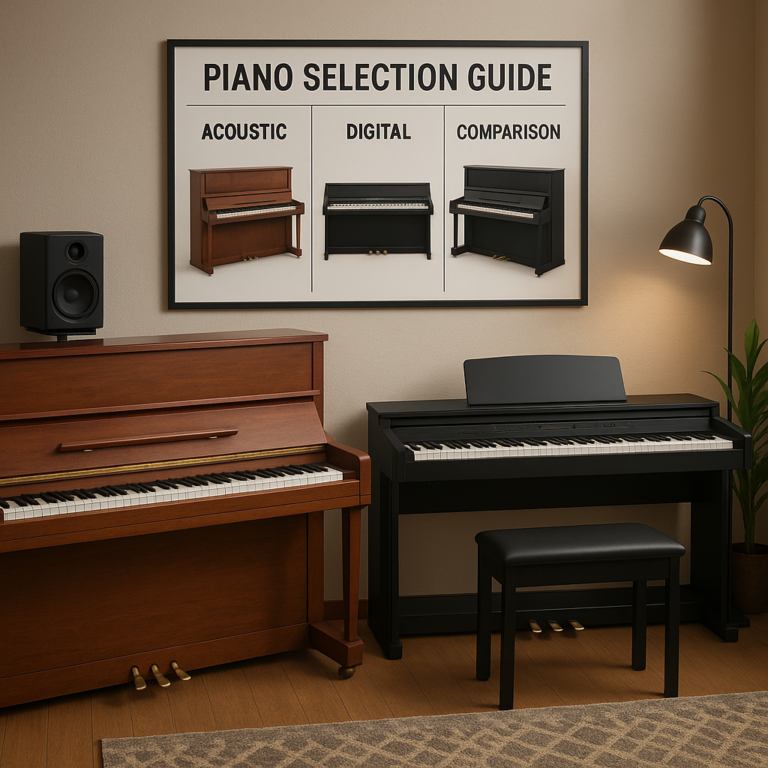
For a deeper dive into why these specs matter, check out our comprehensive guide on the Comparison of acoustic vs digital pianos.
🎹 The Evolution of the Digital Piano: From Synthesizers to Smart Instruments
Remember the 1980s? The era of “bep-bop” sounds and plastic keys that felt like tapping on a calculator? We do. Back then, the line between a synthesizer and a digital piano was blurry at best.
The journey began with the Yamaha CP-70 and Casio VL-Tone, which were revolutionary but lacked the soul of a real piano. Fast forward to the 190s, and companies like Roland and Kawai started experimenting with sampled sounds and graded hammer actions. The goal? To mimic the heavy touch of the low notes and the light touch of the high notes, just like a grand piano.
Today, we’ve entered the Smart Instrument era. Modern digital pianos aren’t just sound generators; they are hubs for learning, recording, and connecting. They feature Bluetooth MIDI, app integration, and even soundboard technology that physically vibrates to create acoustic resonance.
“The evolution isn’t just about better sounds; it’s about better feel. We’ve gone from ‘close enough’ to ‘indistinguishable’ in just a few decades.” — Senior Technician, Piano Brands™
If you’re curious about the history of how we got here, explore our Piano History section.
🤔 What Exactly Is a Digital Piano? Defining the Modern Hybrid
So, what is a digital piano, really? It’s not just a keyboard with a stand.
A digital piano is a specialized electronic instrument designed to replicate the tone, touch, and feel of an acoustic piano as closely as possible. Unlike a synthesizer, which is built for creating new sounds, or a stage keyboard, which is built for portability and versatility, a digital piano is built for authenticity.
Key Characteristics:
- 8 Keys: Full-sized keys, just like a grand.
- Hamer Action: Internal weights simulate the hammers of an acoustic piano.
- Dedicated Sound Engine: Focused on high-quality piano samples, not 50 different drum kits.
- Fixed or Semi-Fixed Cabinet: Designed to stay in one place (though portable models exist).
Why does this distinction matter? Because if you buy a “keyboard” thinking it’s a “piano,” you’ll struggle to develop proper technique. The lack of resistance will make transitioning to a real piano a nightmare.
For more on how to spot the difference, read our Piano Buying Guide.
🔑 Mastering the Keys: Weighted Action, Hammer Mechanisms, and Touch Sensitivity
This is the most critical section of this entire article. If you skip this, you might regret it later. The action is the heart and soul of the piano.
The Hierarchy of Key Actions:
- Synth Action: Light, springy, no weight. (❌ Avoid for piano learning).
- Semi-Weighted: Some resistance, but no hammer mechanism. (❌ Okay for organ/synth, bad for piano).
- Weighted Hammer Action: Uses springs and weights to mimic the feel. (✅ Good).
- Graded Hammer Action: Heavier in the low end, lighter in the high end. (✅ Excellent).
- Wooden Key Actions: Real wood keys for a more authentic feel and balance. (✅ Premium).
Real-World Testing:
We’ve spent hours playing the Kawai RHIII action versus the Yamaha GHS action. The difference is night and day. The Kawai feels like a real grand, with a subtle “bump” at the bottom of the key press (escapement simulation), while the Yamaha GHS feels a bit “mushy” in comparison.
Pro Tip: Always play the lowest and highest keys. If they feel the same, it’s not graded. If they feel like a spring, it’s not weighted.
Check out our Piano Comparison for side-by-side action tests.
🎚️ The Sound Engine: Sampling, Polyphony, and Tone Realism
You can have the best keys in the world, but if the sound is tiny, you’re out. The sound engine is the brain of the operation.
How Sampling Works:
Manufacturers record real grand pianos (like the Steinway Model D or Kawai SK-EX) at multiple velocity levels. When you press a key softly, it plays a “soft” sample; press hard, and it plays a “loud” sample.
Polyphony Explained:
Polyphony is the number of notes a piano can play simultaneously.
- 64-note: Minimum for beginners.
- 128-note: Standard for intermediate/advanced.
- 256-note+: For complex pieces with heavy sustain usage.
If you have low polyphony, the piano will “steal” notes from the beginning of a phrase to make room for new ones. It sounds like a glitch.
Top Sound Engines:
- Roland SuperNATURAL: Uses physical modeling to generate sound in real-time, not just samples.
- Yamaha CFX Sampling: Crystal clear, bright, and detailed.
- Kawai Harmonic Imaging: Warm, rich, and deeply resonant.
🎛️ Essential Features You Can’t Ignore: Pedals, Connectivity, and Built-in Apps
Beyond the keys and sound, what else do you need?
The Pedal Situation:
- Sustain Pedal: The “on/off” switch for sound. Essential.
- Soft Pedal: Reduces volume and changes timbre.
- Sostenuto Pedal: Sustains only the notes held down when the pedal is pressed. Crucial for advanced classical music.
Connectivity:
- USB-to-Host: Connects to a computer for recording (DAW) or learning apps.
- MIDI In/Out: Connects to external sound modules or older gear.
- Bluetooth Audio/MIDI: Stream music from your phone or control apps wirelessly.
Built-in Apps:
Many modern pianos come with companion apps (like Roland Piano Partner 2 or Yamaha Smart Pianist) that let you visualize chords, record sessions, and adjust settings without digging through menus.
🏆 Top 7 Digital Piano Brands We Trust (and Why)
We’ve played them all, from the budget bins to the showroom floors. Here are the brands that consistently deliver quality.
| Brand | Best For | Key Action Highlight | Sound Engine |
|---|---|---|---|
| Kawai | Authentic Feel | Responsive Hammer III (RHIII) | Harmonic Imaging |
| Roland | Innovation | PHA-50 (Hybrid Wood/Plastic) | SuperNATURAL |
| Yamaha | Bright Tone | Graded Hammer Standard (GHS) | CFX Sampling |
| Casio | Value | Tri-Sensor Scaled Hammer II | AiR Sound Source |
| Nord | Stage Performance | Nord Piano 5 (Graded Hammer) | Nord Piano Library |
| Korg | Versatility | RH3 Weighted | PCM + Physical Modeling |
| Casio (Privia) | Portability | Tri-Sensor Scaled Hammer II | AiR Sound Source |
Deep Dive:
- Kawai: If you want the closest thing to an acoustic grand without the tuning, go Kawai. Their wooden key actions are unmatched in the mid-range.
- Roland: The PHA-50 action is a game-changer, combining wood and plastic for durability and feel.
- Yamaha: Known for that crisp, bright “Yamaha” tone that cuts through a mix.
👉 Shop Kawai on: Amazon | Sweetwater | Kawai Official
👉 Shop Roland on: Amazon | Musician’s Friend | Roland Official
👉 Shop Yamaha on: Amazon | Sweetwater | Yamaha Official
🏠 Choosing the Right Form Factor: Console vs. Portable vs. Stage Pianos
Not all digital pianos look the same. Choosing the right form factor depends on your lifestyle.
1. Console Digital Pianos
- Description: Built into a furniture-style cabinet.
- Pros: Looks like a real piano, includes a fixed stand and 3-pedal unit, powerful speakers.
- Cons: Heavy, not portable.
- Best For: Living rooms, dedicated music rooms.
- Models: Yamaha YDP-184, Kawai CA701, Roland F701.
2. Portable Digital Pianos
- Description: Slim, lightweight, often sold without a stand.
- Pros: Easy to move, fits in small apartments, often cheaper.
- Cons: Speakers are smaller, stand and pedals often sold separately.
- Best For: Students, small spaces, giging musicians.
- Models: Yamaha P-525, Roland FP-90X, Kawai ES920.
3. Stage Pianos
- Description: Built for the road, no speakers (usually), heavy-duty chassis.
- Pros: Rugged, immediate controls, great for live performance.
- Cons: No built-in speakers (need external amp), no furniture look.
- Best For: Touring bands, studio pros.
- Models: Nord Stage 4, Roland RD-20.
💻 Virtual Piano vs. Real Digital Piano: Why Your Desktop Keyboard Can’t Replace the Real Deal
Let’s address the elephant in the room. You’ve seen those Virtual Piano websites where you play using your computer keyboard. They are fun, but can they replace a real instrument?
Short Answer: Absolutely not.
The Limitations of Virtual Piano:
- Key Count: Most virtual pianos simulate only 7 1/4 octaves on desktop and 5 octaves on mobile. A real piano has 8 keys.
- Touch Sensitivity: You cannot control dynamics (loud/soft) with a computer keyboard. Every note is the same volume.
- No Pedals: While some virtual pianos have a “sustain” toggle, you can’t do half-pedaling or use the soft pedal.
- Latency: Even with low latency, there’s a delay between pressing a key and hearing the sound.
As noted in the OnlinePianist summary, virtual pianos are “perfect when there isn’t a real piano… or when your piano isn’t next to a computer.” They are a stopgap, not a solution.
“I tried learning on a virtual piano for a week. My fingers felt like they were floating on air. The moment I sat at a real digital piano, I realized I had no muscle memory to speak of.” — Sarah, Piano Student
If you want to see the difference in action, check out the perspective from the first YouTube video mentioned in our research, which highlights how touch and tone are the differentiators.
🎼 How to Use Your Digital Piano: Setup, Transpose, and Metronome Mastery
Got your new piano? Let’s get it running.
Step 1: Unboxing and Assembly
- Console Models: Usually come pre-asembled. Just plug it in.
- Portable Models: You’ll need to attach the stand and pedal unit. Pro Tip: Tighten screws firmly, but don’t strip them.
Step 2: Powering Up
- Use the original power adapter. Third-party adapters can damage the sound engine.
- Plug in your headphones first to test the audio.
Step 3: Mastering the Controls
- Transpose: Need to play in a different key? Use the Transpose button to shift the pitch by semitones.
- Octave Shift: If you’re playing a song that goes too high or low, shift the octave range.
- Metronome: Essential for rhythm. Start slow (60 BPM) and speed up.
- Recorder: Record your practice sessions to hear your mistakes.
Step 4: Connecting to Apps
- Bluetooth: Pair your phone to the piano’s Bluetooth MIDI.
- USB: Connect to your computer and open your DAW (Digital Audio Workstation).
🔌 Connectivity Deep Dive: MIDI, USB, Bluetooth, and Headphone Jacks
Why do you need all these ports?
- MIDI (Musical Instrument Digital Interface): The language of music. It sends data (which key was pressed, how hard, how long) but not audio. This allows you to control software instruments on your computer.
- USB-to-Host: The modern standard for MIDI. Connects directly to your computer’s USB port.
- Bluetooth Audio: Streams music from your phone to the piano’s speakers. Great for playing along with backing tracks.
- Bluetooth MIDI: Sends MIDI data wirelessly.
- Headphone Jacks: Most pianos have two. One for you, one for a teacher or student.
Note on Hearing Aids: As discussed in the HearingTracker forum, if you have hearing aids, you might need a TV streamer or a dedicated Bluetooth streamer to connect your piano’s headphone jack to your aids. Some users prefer ripping out their HAs and using high-quality over-ear headphones (like OneOdio) for better sound quality and zero latency.
🎧 The Pedal Debate: Is a Triple Pedal Unit Necessary for Progress?
We promised to resolve the question: Is it important to have three pedals on a digital piano?
The answer depends on your goals.
The Three Pedals:
- Damper (Sustain): Holds all notes.
- Soft (Una Corda): Softens the sound.
- Sostenuto: Sustains only the notes pressed before the pedal is depressed.
When You Need All Three:
- Classical Repertoire: Pieces by Debussy, Ravel, and Rachmaninoff require the Sostenuto pedal.
- Advanced Technique: Learning to “half-pedal” (partially depressing the sustain pedal) requires a continuous pedal sensor, which is usually found only on triple pedal units or high-end models.
When Two (or One) is Enough:
- Beginers: You’ll mostly use the sustain pedal.
- Pop/Rock/Jazz: The soft pedal is rarely used, and the sostenuto is almost never needed.
“If you’re playing ‘Chopsticks,’ you don’t need three pedals. If you’re playing ‘Nocturne in E-flat Major,’ you do.” — Piano Brands™ Instructor
For a detailed discussion on this, see the community consensus on Music Stack Exchange.
🛠️ Maintenance and Care: Keeping Your Digital Instrument Pristine
Digital pianos are low maintenance, but they aren’t zero maintenance.
- Dusting: Use a soft, dry cloth. Never use chemical cleaners on the keys.
- Humidity Control: Keep the piano away from direct sunlight and extreme humidity. While they don’t need tuning, the wooden parts of the action can warp.
- Firmware Updates: Check the manufacturer’s website for firmware updates. They often fix bugs and improve sound.
- Cleaning the Keys: If keys get sticky, use a slightly damp cloth (water only) and dry immediately.
💡 Quick Tips and Facts (Recap)
Just in case you missed the first section, here’s a quick recap for the skimmers:
- Weighted keys are mandatory for learning.
- 128-note polyphony is the sweet spot.
- Three pedals are needed for advanced classical music.
- Virtual pianos are fun but useless for serious learning.
- Connectivity (USB/MIDI/Bluetooth) unlocks the full potential of your instrument.
🏁 Conclusion

So, where does this leave us? The world of digital pianos has evolved from a novelty into a legitimate, high-fidelity alternative to acoustic instruments. Whether you choose a portable model for your apartment, a console for your living room, or a stage piano for the gig, the key is to prioritize action and sound quality over gimmicks.
We’ve resolved the mystery of the virtual piano: it’s a toy, not a teacher. We’ve clarified the pedal debate: three pedals are essential for the serious classical student, but optional for the casual player. And we’ve highlighted that weighted keys are non-negotiable.
Our Top Recommendation:
If you are a beginner or intermediate player looking for the best balance of price, feel, and sound, the Kawai ES920 (portable) or Kawai CA701 (console) are hard to beat. If you prefer a brighter tone and robust build, the Roland FP-90X or Yamaha P-525 are excellent choices.
Don’t let the “digital” label fool you. These instruments are the future of piano playing, offering the soul of a grand piano with the convenience of modern technology.
Ready to find your perfect match?
- 👉 Shop Kawai Pianos: Amazon | Sweetwater | Kawai Official
- 👉 Shop Roland Pianos: Amazon | Musician’s Friend | Roland Official
- 👉 Shop Yamaha Pianos: Amazon | Sweetwater | Yamaha Official
🔗 Recommended Links
- Books:
- The Piano Book: Buying & Using a New or Used Piano by Larry Fine
- Alfred’s Basic Adult Piano Course (Method Books)
- Accessories:
- Sustain Pedals
- Piano Benches
- Headphones for Piano
❓ FAQ

What is the difference between a digital piano and an electronic keyboard?
A digital piano is designed to mimic an acoustic piano with 8 weighted keys, a dedicated sound engine, and a focus on piano tones. An electronic keyboard usually has 61 or 76 unweighted keys, a wide variety of sounds (drums, strings, etc.), and is designed for versatility and portability. If you want to learn piano, get a digital piano.
Read more about “🎹 How to Choose the Best Digital Piano for Your Needs (2026)”
Is it OK to learn piano on a digital piano?
Absolutely! In fact, it’s often better for beginners. Digital pianos allow for silent practice with headphones, don’t require tuning, and have built-in metronomes and recording features. As long as the keys are fully weighted, you will develop proper technique.
Read more about “🎹 Jazz vs. Classical: Do Piano Brands Really Specialize? (2026)”
Is a digital piano as good as a real piano?
For 90% of players, yes. Modern high-end digital pianos (like the Kawai NV12 or Roland GP6) are so close to acoustic pianos that even professional pianists struggle to tell the difference. However, for the top 1% of concert pianists, the acoustic resonance and mechanical feedback of a grand piano are still unmatched.
Read more about “🎹 7 Signs Your Piano is Ready for the Concert Stage (2026)”
What is the difference between a digital piano and a keyboard?
See the first FAQ. “Keyboard” is a generic term, but in the music industry, it usually refers to a synthesizer or arranger keyboard with unweighted keys. A digital piano is a specific type of keyboard designed to replicate the feel and sound of an acoustic piano.
Read more about “🎹 10 Best MPE Compatible Piano Keyboards for 2026”
How many keys does a digital piano need for classical music?
You need 8 keys. Classical repertoire often spans the full range of the piano. While you can learn the basics on fewer keys, you will eventually hit a wall if you don’t have the full 8-key range.
Read more about “🎹 12 Acoustic Piano Brands with the Best Sound Quality (2026)”
Are weighted keys important on a digital piano for beginners?
Yes, critically important. Weighted keys simulate the resistance of an acoustic piano. If you learn on unweighted keys, your fingers won’t develop the necessary strength and control, making the transition to a real piano extremely difficult.
Read more about “🎹 Acoustic vs Digital Pianos: The Ultimate 2026 Showdown”
Can a digital piano sound as good as an acoustic piano?
With high-quality sampling and physical modeling (like Roland’s SuperNATURAL or Kawai’s Harmonic Imaging), digital pianos can sound indistinguishable from acoustic pianos in a home environment. The main difference lies in the resonance and complexity of the soundboard, which is still a unique feature of acoustics, but digital technology is closing that gap every year.
Read more about “🎹 Steinway & Sons Upright Piano: The 2026 Grand Secret Revealed”
📚 Reference Links
- Kawai USA: Kawai Digital Pianos
- Roland: Roland Digital Pianos
- Yamaha: Yamaha Digital Pianos
- Casio: Casio Privia
- Music Stack Exchange: Is it important to have three pedals on a digital piano?
- OnlinePianist: Virtual Piano Overview
- HearingTracker: Listening to Digital Piano on Hearing Aids