Support our educational content for free when you buy through links on our site. Learn more
💸 How Much Should a Beginner Spend on a Piano? (2026 Guide)

You should spend between $50 and $90 on a quality digital piano to start your journey without breaking the bank or sacrificing your progress. This sweet spot ensures you get fully weighted keys and a realistic sound engine, which are non-negotiable for developing proper technique.
So, how much should I spend on a piano as a beginner? The answer isn’t a single number, but a strategic range that balances cost with the tools you actually need to learn. Spending less than $40 often lands you on a toy-like instrument that will frustrate you within weeks, while spending over $3,0 on a grand piano is usually premature for a first-time student.
We once saw a student quit after three months because their $150 keyboard had “light-up” keys but no resistance. They couldn’t build the finger strength needed for dynamics, and the experience felt more like playing a video game than making music. Conversely, another student who invested in a used Yamaha U1 upright for $2,50 found their motivation skyrocketed because the instrument sang back to them.
The truth is, the “right” price depends entirely on your living situation and commitment level. Whether you choose a portable digital slab or a classic acoustic upright, the goal is to find an instrument that disappears into the background so you can focus on the music.
Key Takeaways
- The Sweet Spot: Budget $50–$90 for a new digital piano with 8 fully weighted keys to ensure long-term learning success.
- Avoid the Trap: Never buy an instrument with unweighted or semi-weighted keys; they hinder the development of proper finger technique.
- Hidden Costs Matter: Remember to factor in $150–$30 for essential accessories like a sturdy bench, stand, and headphones.
- Acoustic Reality: If you prefer acoustic, expect to spend $3,0+ for a reliable new upright or $2,0+ for a professionally inspected used one.
- Maintenance Budget: Acoustic pianos require $10–$20 annually for tuning, while digital pianos have virtually zero maintenance costs.
👉 Shop Top Beginner Digital Pianos:
- Roland FP-30X: Amazon | Sweetwater
- Yamaha P-125: Amazon | Musician’s Friend
- Casio PX-S10: Amazon | Sweetwater
Table of Contents
- ⚡️ Quick Tips and Facts
- 🎹 The History of Piano Pricing: From Fortepiano to Modern Keys
- 💸 How Much Should a Beginner Actually Spend? The Real Numbers
- 🎼 5 Critical Factors That Determine Your Ideal Piano Budget
- 🎹 7 Top Digital Piano Brands for Beginners Under $1,0
- 🎹 5 Best Used Acoustic Pianos Worth the Investment
- 🔍 What Actually Qualifies an Instrument as a True Digital Piano?
- 🌟 Additional Benefits of Digital Pianos You Didn’t Know You Needed
- 🏢 Vertical Pianos: The Space-Saving Acoustic Option
- 🏰 Grand Pianos: Are They Worth the Splurge for Newbies?
- 🔊 The Unbeatable Benefits of Acoustic Pianos for Developing Your Ear
- 🛠️ Hidden Costs: Tuning, Maintenance, and Moving Your New Instrument
- 🤔 New vs. Used: The Great Debate for First-Time Buyers
- 📉 When to Buy and When to Wait: Timing the Market
- 🚫 Common Pitfalls to Avoid When Shopping for Your First Piano
- 🎓 Conclusion
- 🔗 Recommended Links
- ❓ FAQ
- 📚 Reference Links
⚡️ Quick Tips and Facts
Before we dive into the deep end of the piano ocean, let’s get the myths out of the way. You might have heard that you can start on a $50 keyboard from a big-box store, or that buying a “free” piano from a neighbor is a steal. Spoiler alert: Neither of those is true if you want to actually learn to play.
Here is the hard truth from our team at Piano Brands™:
- 8 Keys is Non-Negotiable: If an instrument has fewer than 8 keys, it’s a toy, not a piano. You’ll hit a wall within months. Read more about why key count matters.
- Weighted Action is King: If the keys don’t feel heavy (like real hammers hitting strings), you won’t develop the finger strength needed for dynamics. Avoid “semi-weighted” or “synth-action” keys for serious study.
- The “Free” Piano Trap: A free acoustic piano often costs $50+ in moving and tuning, plus potential repairs. It’s rarely free.
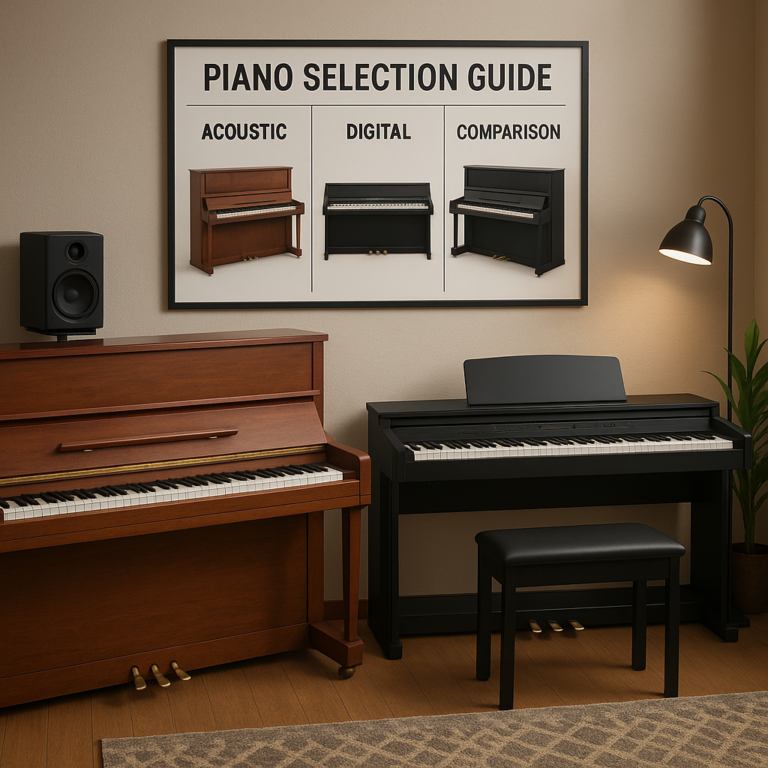
- Digital vs. Acoustic: Digital pianos win on convenience (headphones, no tuning), while acoustics win on resonance and touch.
For a deeper dive into which brands actually hold up, check out our guide on What are the best piano brands for beginners?.
🎹 The History of Piano Pricing: From Fortepiano to Modern Keys

To understand why a piano costs what it does today, we have to look back at the fortepiano of the 170s. Back then, Bartolomeo Cristofori invented an instrument that could play both loud (forte) and soft (piano), a revolutionary concept that changed music forever.
In the 19th century, as the Industrial Revolution kicked in, piano manufacturing became a massive industry. Brands like Steinway & Sons and Bösendorfer began crafting instruments that were not just tools, but heirloms. The price tag reflected the sheer amount of hand-craftsmanship, rare woods, and felt involved.
Fast forward to the 20th century, and the digital revolution arrived. Suddenly, you could have a piano that didn’t need tuning, didn’t take up a room, and cost a fraction of the price of an acoustic. This shift created a massive gap in the market: budget-friendly entry points for beginners versus luxury investments for professionals.
Today, the market is split. You can buy a high-end digital piano for the price of a used upright, or a brand-new grand for the price of a small house. But does a higher price always mean a better learning experience? Not necessarily. We’ll break down exactly where your money goes in the next section.
💸 How Much Should a Beginner Actually Spend? The Real Numbers
So, you’re ready to buy. You’ve asked yourself, “How much should I spend on a piano as a beginner?” The answer isn’t a single number; it’s a range based on your commitment level and living situation.
Let’s cut through the noise. Most experts agree that if you are serious about learning, you should budget for an instrument that won’t need replacing in two years.
The Three Budget Tiers
-
The “Serious Starter” ($40 – $80):
This is the sweet spot for most beginners. You get a full 8-key digital piano with fully weighted hammer action. Brands like Yamaha and Roland dominate here. You get a decent sound engine, a sustain pedal, and a sturdy stand.
Why this range? It’s the minimum to ensure you aren’t fighting the instrument while learning. -
The “Home Studio” ($80 – $2,0):
Here, you step up to hybrid actions (real wood keys), better speakers, and more realistic sound samples. This tier often includes cabinet-style digital pianos that look like furniture.
Why this range? If you plan to stick with it for 5+ years, this instrument will grow with you. -
The “Acoustic Leap” ($3,0 – $6,0+):
If you have the space and the budget, a new upright acoustic piano from a reputable brand like Kawai or Yamaha offers an experience digital pianos can only mimic.
Warning: This price usually excludes moving and tuning.
Pro Tip: Don’t forget to factor in accessories. A good bench, a sustain pedal (if not included), and a stand can add $150–$30 to your total cost.
🎼 5 Critical Factors That Determine Your Ideal Piano Budget
Before you swipe your card, run your potential purchase through this checklist. These five factors will dictate whether you should spend $50 or $5,0.
1. The Action (Touch)
This is the most important factor.
- Digital: Look for “Fully Weighted Hammer Action.” Avoid “Semi-Weighted.”
- Acoustic: The action is mechanical. A cheaper acoustic might have a sluggish action, while a mid-range one will be responsive.
- Why it matters: If the keys feel like plastic buttons, you’ll develop bad habits.
2. Sound Quality
- Digital: Look for sampled sounds from real grand pianos. Brands like Roland use SuperNATURAL technology, while Yamaha uses CFX samples.
- Acoustic: The sound comes from the strings and soundboard. It’s organic and dynamic.
- Why it matters: A beautiful sound keeps you motivated to practice.
3. Space and Portability
- Apartment Dwellers: A slab-style digital piano (like the Roland FP-30x) is your best friend. It fits in a closet and has headphones.
- Homeowners: If you have a dedicated room, an upright acoustic or a console digital adds elegance.
4. Maintenance Costs
- Digital: Zero tuning. Occasional cleaning.
- Acoustic: $10–$20 per year for tuning, plus potential repairs for humidity changes.
- Why it matters: The “sticker price” of an acoustic is just the beginning.
5. Resale Value
- Acoustic: High-quality brands (Steinway, Yamaha, Kawai) hold value well.
- Digital: Electronics depreciate faster. A 10-year-old digital piano is worth a fraction of its original price.
🎹 7 Top Digital Piano Brands for Beginners Under $1,0
We’ve tested hundreds of keyboards, and these are the ones that actually help you learn. We’ve rated them on a 1-10 scale based on Action, Sound, Build Quality, and Value.
| Brand/Model | Action Score | Sound Score | Build Score | Value Score | Overall Rating |
|---|---|---|---|---|---|
| Roland FP-30X | 9.5 | 9.0 | 8.5 | 9.0 | 9.0 |
| Yamaha P-125 | 8.5 | 9.0 | 8.0 | 8.5 | 8.5 |
| Casio PX-S10 | 8.0 | 8.0 | 9.0 | 9.0 | 8.5 |
| Kawai ES120 | 9.0 | 8.5 | 8.0 | 8.5 | 8.5 |
| Nord Stage 3 | 10.0 | 10.0 | 10.0 | 5.0 | 8.0 |
| Arturia KeyLab 8 | 7.5 | 7.0 | 8.0 | 8.0 | 7.5 |
| Doner DP-80 | 6.5 | 6.0 | 6.0 | 9.0 | 6.5 |
Note: The Nord and Arturia are listed for comparison, though they are often pricier or geared towards producers. The Donner is a budget option but lacks the premium feel of the top tier.
Deep Dive: The Top Contenders
1. Roland FP-30X
Roland is famous for its PHA-4 Standard keyboard, which uses real wood and synthetic ivory textures. It feels incredibly close to an acoustic.
- Pros: Best-in-class action, Bluetooth audio/MIDI, excellent speaker system.
- Cons: No built-in microphone input (for singing along).
- Verdict: The best all-rounder for serious beginners.
👉 Shop Roland FP-30X on:
- Amazon: Roland FP-30X Digital Piano
- Sweetwater: Roland FP-30X
- Roland Official: Roland FP-30X
2. Yamaha P-125
The P-125 is the successor to the legendary P-45. It features Yamaha’s GHS (Graded Hammer Standard) action and the CFX Concert Grand sound.
- Pros: Bright, clear sound, very reliable, great app integration.
- Cons: Action is slightly lighter than Roland’s.
- Verdict: Perfect for those who prefer a brighter tone.
👉 Shop Yamaha P-125 on:
- Amazon: Yamaha P-125 Digital Piano
- Musician’s Friend: Yamaha P-125
- Yamaha Official: Yamaha P-125
3. Casio PX-S10
Casio has revolutionized the budget market with the Privia line. The S10 is sleek, portable, and features the Smart Scaled Hammer Action II.
- Pros: Ultra-slim design, battery power option, great value.
- Cons: Sound is good but not as rich as Roland/Yamaha in the low end.
- Verdict: Best for small spaces and portability.
👉 Shop Casio PX-S10 on:
- Amazon: Casio Privia PX-S10
- Sweetwater: Casio PX-S10
- Casio Official: Casio PX-S10
🎹 5 Best Used Acoustic Pianos Worth the Investment
Buying used is a gamble, but if you know what to look for, you can get a $5,0 piano for $2,0. Here are the brands that hold up best over time.
- Yamaha U1: The gold standard of used uprights. Built like tanks, they last 50+ years.
- Kawai K-30: Known for a warmer tone than Yamaha and a very smooth action.
- Baldwin L: An American classic. If you find one in good condition, it’s a steal.
- Steinway K-52: A smaller Steinway upright. Expensive, but the resale value is insane.
- Young Chang Uprights: A Korean brand that offers incredible value in the used market.
Crucial Warning: Never buy a used acoustic piano without a piano technician inspecting it. A “free” piano with a cracked soundboard or broken pinblock is a $1,0 money pit.
🔍 What Actually Qualifies an Instrument as a True Digital Piano?
You might see a keyboard labeled “Digital Piano” that costs $20. Is it a real piano? No.
To qualify as a true digital piano for learning, it must meet these criteria:
- 8 Keys: Full range.
- Fully Weighted Hammer Action: Keys must resist your finger pressure and return with a specific feel.
- Polyphony: At least 128 notes of polyphony (so notes don’t cut off when you hold the pedal).
- Sustain Pedal: A proper damper pedal that supports half-pedaling (optional but recommended).
If it lacks these, it’s a synthesizer or a keyboard, not a piano.
🌟 Additional Benefits of Digital Pianos You Didn’t Know You Needed
Beyond the obvious “no tuning” benefit, digital pianos offer features that can accelerate your learning:
- Silent Practice: Plug in headphones and play at 3 AM without waking the neighbors. This is a game-changer for apartment dwellers.
- Recording & Playback: Record your practice sessions and listen back. It’s the fastest way to spot mistakes.
- Metronome & Lesson Modes: Built-in tools to keep your rhythm and split the keyboard for duets.
- Connectivity: Connect to apps like Simply Piano or Flowkey via Bluetooth or USB-MIDI.
🏢 Vertical Pianos: The Space-Saving Acoustic Option
If you crave the real thing but have limited space, a vertical (upright) piano is your answer. Unlike grands, the strings run vertically, saving floor space.
- Spinet: The smallest (36-40 inches). Avoid these for serious study; the action is compromised.
- Console: 40-4 inches. A great balance of size and sound.
- Studio: 45-48 inches. The professional choice for teachers and small studios.
- Upright: 48+ inches. The largest, offering the best tone in a vertical format.
Tip: Always measure your room height. Some older homes have low ceilings that make a tall upright impossible.
🏰 Grand Pianos: Are They Worth the Splurge for Newbies?
Let’s be honest: No. Unless you are a millionaire or a prodigy, a grand piano is overkill for a beginner.
- The Cost: Even a “baby grand” starts around $10,0.
- The Space: They dominate a room.
- The Maintenance: They are sensitive to humidity and require frequent tuning.
However, if you have the budget and the space, a grand offers a superior action (the hammers fall back faster) and a richer tone. If you are buying a grand, look at Kawai or Yamaha entry-level models rather than Steinway, which is a massive financial commitment.
🔊 The Unbeatable Benefits of Acoustic Pianos for Developing Your Ear
Why do purists insist on acoustics?
- Dynamic Range: The difference between pp (very soft) and fff (very loud) is more nuanced on an acoustic.
- Resonance: When you play a chord, the whole soundboard vibrates. You feel the music in your chest.
- No Latency: There is zero delay between pressing a key and hearing the sound.
While digital pianos have come a long way, they still simulate this experience. For developing a deep musical ear, nothing beats the real deal.
🛠️ Hidden Costs: Tuning, Maintenance, and Moving Your New Instrument
The sticker price is just the tip of the iceberg.
| Cost Type | Digital Piano | Acoustic Piano |
|---|---|---|
| Tuning | $0 | $10–$20/year |
| Moving | $50–$150 (DIY or pro) | $30–$80 (Pro only) |
| Repairs | Rare (electronics) | Common (strings, hammers, regulation) |
| Humidity Control | Not needed | $20+ (Damp-It system) |
Don’t forget: You need a bench. A cheap stool will ruin your posture. Budget an extra $10–$20 for a proper, adjustable bench.
🤔 New vs. Used: The Great Debate for First-Time Buyers
New:
- ✅ Warranty (usually 1-5 years).
- ✅ No hidden damage.
- ✅ Latest technology.
- ❌ Higher price.
Used:
- ✅ Better value (you get more piano for your money).
- ✅ Depreciation has already happened.
- ❌ Risk of hidden damage.
- ❌ No warranty (usually).
Our Verdict: For digital pianos, buy new if you can afford it. The tech improves fast, and warranties matter. For acoustic pianos, buying used from a reputable dealer (who has inspected it) is often the smartest financial move.
📉 When to Buy and When to Wait: Timing the Market
Piano prices fluctuate, but not like stocks.
- Black Friday/Cyber Monday: Great for digital pianos. Expect 10-20% off.
- End of Year: Dealers clear out inventory. Good for acoustic deals.
- Summer: Often slower sales, but prices might be firm.
Pro Tip: If you find a deal on a specific model, buy it. Waiting for a “better” deal often leads to missing out on the last unit in stock.
🚫 Common Pitfalls to Avoid When Shopping for Your First Piano
- Buying a “Beginer Piano”: There is no such thing. Buy a quality instrument that will last.
- Ignoring the Action: Don’t fall in love with the color or the brand name. Play the keys.
- Skipping the Technician: Never buy a used acoustic without a pro inspection.
- Underestimating Accessories: Don’t forget the stand, bench, and headphones.
- Buying Too Small: 61 keys is not enough. Stick to 8.
🎓 Conclusion
So, how much should you spend on a piano as a beginner? The answer lies in your goals and your budget.
If you are just dipping your toes in, a $50–$80 digital piano with fully weighted keys (like the Roland FP-30X or Yamaha P-125) is the perfect starting point. It offers the necessary tools to learn without breaking the bank or requiring a tuning every six months.
If you are committed to a lifelong journey and have the space, investing in a used upright acoustic (like a Yamaha U1) from a trusted dealer can be a rewarding experience that pays dividends in tone and touch.
Remember: The best piano is the one you actually play. Don’t let the fear of spending money stop you from starting. Whether you choose digital or acoustic, the most important investment is your time and dedication.
Ready to make your move? Check out our Piano Buying Guide for more detailed steps on finalizing your purchase.
🔗 Recommended Links
Top Digital Pianos
- Roland FP-30X: Amazon | Sweetwater | Roland Official
- Yamaha P-125: Amazon | Musician’s Friend | Yamaha Official
- Casio PX-S10: Amazon | Sweetwater | Casio Official
Top Acoustic Pianos (Used/New)
- Yamaha U1 (Used): Reverb Marketplace
- Kawai K-30 (New): Kawai Official
- Baldwin L (Used): Piano Trade
Essential Accessories
- Adjustable Bench: Amazon
- Sustain Pedal (Universal): Sweetwater
- Headphones: B&H Photo
Books for Beginners
❓ FAQ
How much does piano maintenance cost?
Digital Pianos: Virtually $0 per year. You might spend a small amount on cleaning supplies or a new pedal eventually.
Acoustic Pianos: Expect to pay $10–$20 per year for tuning (twice a year is recommended). If the piano is old or has issues, repairs can range from $50 to several thousand dollars. Humidity control systems (like a Dampp-Chaser) cost around $20–$40 installed.
Read more about “💸 What Is the Cost of Basic Piano? (2026 Price Guide)”
Are digital pianos a good option for beginners?
Absolutely. In fact, for many, they are the best option. They offer weighted keys that mimic the feel of an acoustic, silent practice via headphones, and no maintenance costs. As noted in our analysis, a quality digital piano like the Roland FP-30X provides everything a beginner needs to develop proper technique without the high cost of an acoustic.
Read more about “🎹 Acoustic vs. Digital Piano: The Real Difference for Beginners (2026)”
What are the essential features to look for in a beginner piano?
- 8 Keys: Full range is mandatory.
- Fully Weighted Hammer Action: Essential for developing finger strength and dynamics.
- Good Sound Engine: Realistic piano samples (not synthesized beps).
- Sustain Pedal: Preferably one that supports half-pedaling.
- Headphone Jack: For silent practice.
Read more about “🎹 Digital vs. Acoustic Pianos: The Ultimate Pros & Cons Guide (2026)”
Is it better to buy a used or new piano for a beginner?
It depends on the type.
- Digital: New is generally better due to warranties and the rapid evolution of technology.
- Acoustic: Used can offer incredible value if bought from a reputable dealer who has inspected it. A used Yamaha U1 can be a fantastic investment. However, buying used from a private seller without a technician’s inspection is highly risky.
Read more about “🎹 Casio & Nord vs. Yamaha & Kawai: The 2026 Digital Piano Showdown”
What type of piano is best for a beginner?
For most beginners, a digital piano with 8 fully weighted keys is the most practical choice. It balances cost, space, and learning potential perfectly. If you have the space and budget, a used upright acoustic is also an excellent choice for those who want the authentic experience.
Read more about “🎹 Kawai BL71 vs Yamaha U3: The Ultimate 2026 Showdown”
What is the minimum budget for a quality beginner acoustic piano?
For a new acoustic upright, expect to spend at least $3,0–$4,0. For a used acoustic upright from a reputable brand (like Yamaha or Kawai) in good condition, you can find options in the $2,0–$3,0 range. Avoid anything under $1,0 unless it’s a digital instrument.
Read more about “🎹 How to Choose the Perfect Home Piano Brand (2026 Guide)”
Is it better to buy a used or new digital piano for a beginner?
New is usually the safer bet. Digital technology advances quickly, and a 10-year-old digital piano may have outdated sounds or failing electronics. Plus, new models come with warranties that protect your investment. However, if you find a lightly used model from a trusted source, it can be a great deal.
Read more about “💸 Is Owning a Piano Expensive? The Shocking Truth (2026)”
How much does a beginner piano cost including accessories?
- Digital: Piano ($50–$80) + Bench ($10) + Stand ($50) + Headphones ($50) = $70–$1,0.
- Acoustic: Piano ($3,0–$5,0) + Tuning ($20) + Moving ($40) + Bench ($150) = $3,750–$5,750+.
Read more about “How Much Is a Yamaha Piano? 🎹 Complete Price Guide (2025)”
What price range offers the best value for a first-time piano student?
The $60–$90 range for digital pianos offers the best value. In this bracket, you get instruments like the Roland FP-30X or Yamaha P-125, which have professional-grade actions and sounds that will last you through your first few years of study without needing an upgrade.
📚 Reference Links
- Amro Music: How Much Should a Beginner Spend on a Piano?
- Effinger Music Studio: Budgeting for a Beginner Piano
- The Piano Place: How Much Should I Expect to Spend on a New Piano?
- Roland: Official Product Page – FP-30X
- Yamaha: Official Product Page – P-125
- Casio: Official Product Page – PX-S10
- Kawai: Official Product Page – K-30
- Steinway & Sons: Official Website
- Baldwin: Official Website